
Configuring a modular solid wood bookshelf system in a small HDB flat requires a strategic balance of vertical planning, smart module selection, and secure anchoring. By utilizing the vertical height of your walls and choosing a mix of open and closed storage, you can significantly increase your home’s storage capacity without sacrificing valuable floor space. The modular nature of these systems allows you to adapt the layout to fit around structural beams, electrical outlets, and tight corners typical of modern apartment layouts.
Assess Your Space and Structural Constraints
Before purchasing any modular components, precise physical measurements of your designated wall space are essential. Measure the width and height of the wall, making sure to subtract the thickness of skirting boards at the base, which can prevent a tall bookshelf from sitting flush against the wall. Take note of the positions of electrical sockets, light switches, and internet data points, as covering them with a heavy wooden frame can restrict access to vital utilities.
In compact residential estates, the journey of your furniture from the delivery vehicle to your living room is a critical bottleneck. Measure the height, width, and depth of the passenger lift, as well as the clearance of the common corridor and your main entryway. Solid wood modular panels, especially tall upright supports or long shelves, can be exceptionally heavy and rigid, making it difficult to maneuver them around tight corners or low ceilings.
Products mentioned in this guide
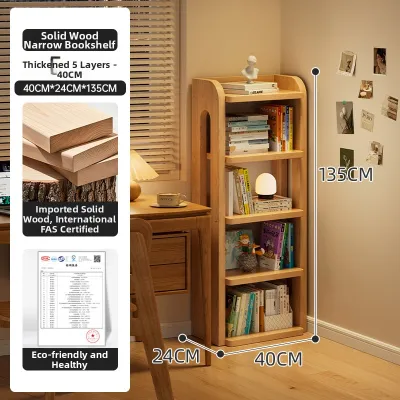
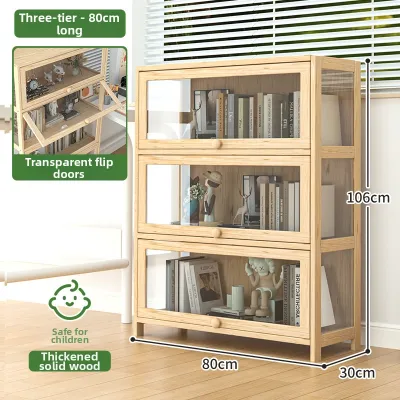
![[CozyNest ]Solid Wood Dustproof Bookcase Against The Wall Storage Cabinet Storage Cabinet Floor Shelves Home Bookshelves](https://img.lazcdn.com/g/p/5ac4e2b9d7896490c78cd5ba66783b46.jpg_400x400q80.jpg_.webp)
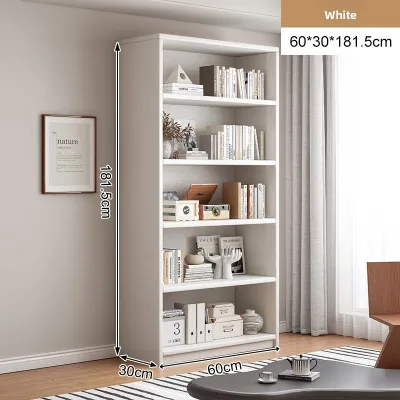
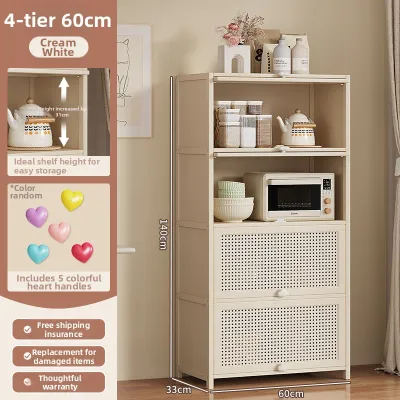
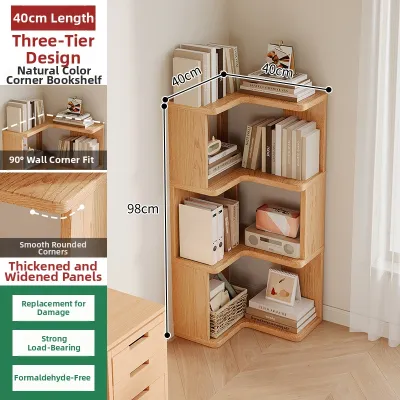
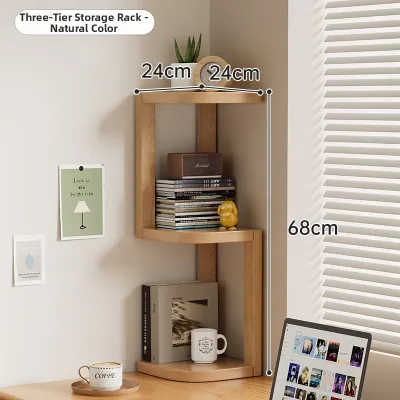
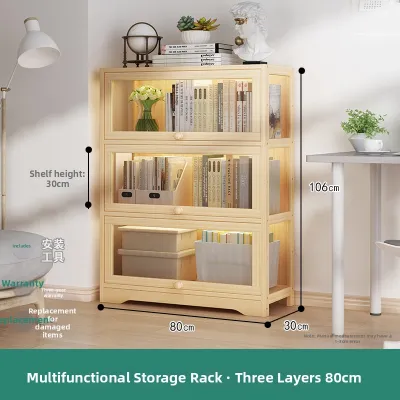
Prices are valid at publication and may change. Please refer to the product page for the latest price.
Understanding your wall construction is the most critical safety step before installation. HDB flats typically feature a mix of structural reinforced concrete walls and non-structural internal partition walls, such as lightweight concrete panels or drywall. Structural walls require specialized rotary hammer drills and heavy-duty masonry plugs, whereas non-structural walls require different anchoring hardware. Always refer to your flat’s official floor plan to identify structural elements and ensure you comply with drilling guidelines regarding depths and locations.
Design the Layout for Maximum Storage
To make the most of a limited footprint, design your modular system to reach as close to the ceiling as safely possible. Utilizing high vertical space draws the eye upward, creating an illusion of height while capturing storage areas that are otherwise wasted. However, avoid building a solid wall of shelving that completely blocks natural light from windows or obstructs the airflow from ceiling fans and air conditioning units.

A successful modular configuration balances open shelves with closed storage elements like drawers, cabinets, or removable storage boxes. Open shelves are ideal for books, frequently used items, and decorative pieces that add personality to your living space. Closed modules, on the other hand, are perfect for concealing unsightly paperwork, electronic cables, and household clutter that would otherwise make a small room feel chaotic and cramped.
Incorporate adjustable shelving tracks or pre-drilled pin holes within your solid wood modules. This flexibility allows you to customize the height of individual compartments to match your specific storage needs. You can set wider clearances for tall reference books, storage binders, or decorative vases, while keeping tighter spacing for standard paperbacks and small ornaments, ensuring no vertical space is left unused.
Select the Right Solid Wood Modules and Hardware
Solid wood is a premium, durable material, but it is significantly heavier than engineered wood alternatives like particleboard or MDF. When selecting your modules, carefully check the manufacturer’s specified load capacity for each shelf and the cumulative weight limit of the entire system. Overloading a shelf can cause permanent warping or structural failure, so it is vital to match the shelf thickness and wood species to your intended storage load.
Examine the quality of the wood finish and the structural joints of the modular system. Look for robust joinery methods, such as dowels, mortise-and-tenon joints, or high-quality metal cam locks, which ensure the frame remains stable under load. The finish should be suitable for indoor environments, protecting the wood from minor spills and dust while highlighting the natural grain of the timber.
The hardware used to secure your bookshelf to the wall must be chosen with extreme care. Standard plastic wall plugs included in flat-pack furniture kits are often insufficient for securing heavy solid wood systems to concrete or hollow block walls. Invest in high-quality, heavy-duty metal sleeve anchors or specialized toggle bolts that are rated for the specific weight of your loaded bookshelf and compatible with your wall type.
Assemble and Secure the Bookshelf Safely
When assembling your modular system, always follow the manufacturer’s documented sequence step by step. Typically, this involves constructing the base unit or the main outer frame first, ensuring a stable foundation before adding vertical dividers, back panels, and individual shelves. Attempting to skip steps or assemble components out of order can strain the joints and compromise the overall structural integrity of the unit.
Using a high-quality spirit level is non-negotiable during the assembly process. Even a minor tilt can cause uneven weight distribution, putting excessive stress on specific joints and increasing the risk of the bookshelf tipping forward. Check for levelness both horizontally across the shelves and vertically along the upright supports, adjusting the leveling feet or adding shims under the base if your floor is slightly uneven.
Securing the bookshelf to the wall is a critical safety requirement, especially for tall units. Attach heavy-duty L-brackets or safety straps to the top and middle sections of the frame, anchoring them firmly into the wall. If you encounter unexpected resistance while drilling, or if the wall material crumbles and fails to hold the anchor securely, stop immediately and consult a qualified professional contractor to prevent damaging structural elements or creating a safety hazard.
Maintain and Organise Your Solid Wood Shelving
Proper weight distribution is key to maintaining the stability and longevity of your solid wood bookshelf. Always place your heaviest items, such as large encyclopedias, heavy storage boxes, and photo albums, on the lowest shelves. This keeps the center of gravity low, reducing the risk of tipping and minimizing the physical strain on the upper wall anchors.
To preserve the natural beauty and finish of your solid wood modules, establish a gentle cleaning routine. Dust the shelves regularly with a soft, dry microfiber cloth to prevent abrasive particles from scratching the surface. Avoid using harsh chemical cleaners, bleach, or abrasive scrubbing pads, as these can strip away the protective sealant or wax finish, leaving the raw wood vulnerable to moisture and stains.
Periodically inspect your modular system to ensure all components remain secure over time. Check for any signs of shelf sagging, loose joints, or wall anchors that show signs of pulling away from the plaster. Tighten any loose screws or hardware as needed, and adjust the distribution of your stored items if you notice any localized bowing in the wood.
Frequently Asked Questions (FAQ)
Do I need HDB approval to drill into my walls for bookshelf anchors?
Generally, you do not need formal HDB approval or a permit to drill minor holes for wall anchors, shelving brackets, or television mounts. However, you must distinguish between structural reinforced concrete walls and non-structural partition walls. Drilling into structural walls requires care to avoid hitting internal steel rebar, and you must never cut, damage, or alter any structural elements of the flat. If you are unsure about the wall types in your home, consult your official HDB floor plan or hire a licensed contractor.
How does Singapore's humidity affect solid wood modular shelves?
Singapore’s tropical climate and high relative humidity can cause solid wood to naturally expand and contract as it absorbs and releases moisture. This movement can lead to minor warping, tight-fitting drawers, or slight joint creaking over time. To minimize these effects, ensure your home has consistent ventilation, avoid placing the bookshelf directly in the path of air conditioner drafts or intense, direct sunlight, and choose wood modules that have been properly kiln-dried and sealed with a moisture-resistant finish.

Community discussion
Share your experience or ask a question. Comments are reviewed before publication.