
Finding the ideal rotating chair for a home office in Singapore is not about identifying a single, universally superior brand. Because every home workspace differs in size, layout, and daily usage patterns, the right choice depends entirely on how well a manufacturer’s design matches your physical proportions, work habits, and spatial limits. A brand that excels in high-end ergonomic adjustments might be unnecessary for someone who only sits for two hours a day, while a compact, aesthetically pleasing chair might lack the structural support needed for full-time remote work.
To make an informed decision, you must evaluate brands based on their specific engineering priorities, material selections, and local support structures. By shifting the focus from brand prestige to objective design specifications, you can find a seating solution that supports your posture, fits your room, and offers lasting value.
Defining Your Home Office Needs and Space Constraints
Before comparing specific brands, you must establish your baseline physical and spatial requirements. The first step is assessing your daily sitting duration. If you work from home full-time, spending eight or more hours at your desk, you require a chair with advanced ergonomic mechanisms that dynamically support your spine. For casual or part-time use, a simpler mechanism with basic height and tilt adjustments may suffice.
Products mentioned in this guide
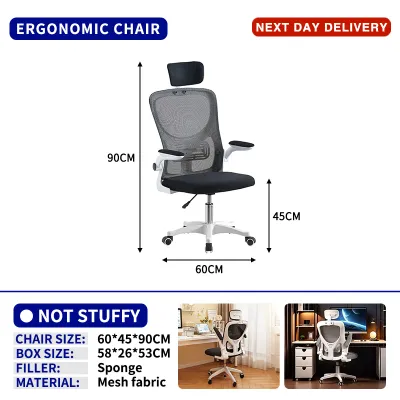
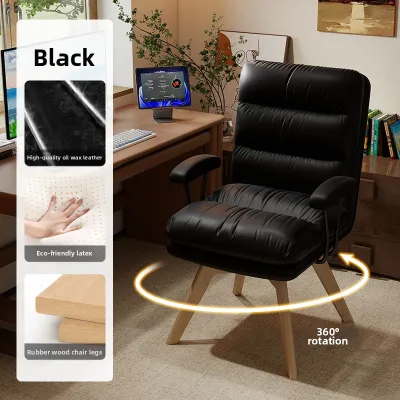
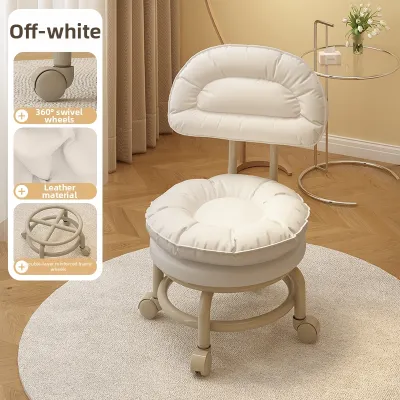
Prices are valid at publication and may change. Please refer to the product page for the latest price.
Next, measure your physical workspace. In many Singapore apartments, such as HDB flats or compact condominiums, study corners can be tight. You must measure the available floor space, ensuring the chair’s base can rotate freely without hitting walls or nearby furniture. Additionally, measure your desk height and the clearance between the desk’s underside and the floor. This ensures the chair’s armrests can slide under the desk when not in use, saving valuable floor space.
Finally, identify your specific physical requirements. Check the manufacturer’s specifications for user height ranges and seat depth. A seat that is too deep can press against the back of your knees, restricting circulation, while a seat that is too shallow will not support your thighs properly. Knowing your weight and height requirements allows you to filter out brands that do not cater to your body type.
Key Dimensions for Comparing Rotating Chair Brands
When evaluating different rotating chair brands, look beyond aesthetic appeal and focus on the core engineering elements. Comparing brands across specific physical and functional dimensions ensures you invest in a chair built for long-term comfort and durability.

Ergonomics and Adjustability
The level of adjustability a brand offers is a direct indicator of its ergonomic focus. Pay close attention to the lumbar support mechanism. Some brands offer fixed lumbar pads, while others provide highly adjustable systems where you can alter both the height and depth of the support. Adjustable lumbar systems are generally preferable because they allow you to position the support precisely in the curve of your lower back.
Armrest adjustability is another critical factor. Look for brands that offer multi-directional armrests, often labeled as 3D or 4D armrests. These allow you to adjust the height, width, angle, and depth of the armrests. Proper armrest alignment prevents shoulder strain by allowing your elbows to rest comfortably at a 90-degree angle, level with your keyboard.
Additionally, evaluate the recline and tilt mechanisms. High-quality brands often feature synchro-tilt mechanisms, where the backrest and seat tilt at a synchronized ratio, keeping your feet flat on the floor as you recline. Check for adjustable recline tension controls, which let you customize the resistance of the backrest, and tilt lock positions that allow you to secure the chair at your preferred angle.
Material and Build Quality
The materials used in a rotating chair directly impact its comfort, especially in Singapore’s warm and humid climate. Mesh backrests are highly popular for home offices because they promote airflow and keep you cool throughout the day. If you prefer cushioned seats, look for high-density molded foam rather than cut foam, as molded foam retains its shape and support over years of continuous use.
The construction of the chair’s base and casters is equally important for safety and floor protection. Heavy-duty bases made of aluminum or reinforced nylon offer superior stability compared to thin plastic bases. Ensure the casters are suitable for your specific flooring. Hard casters are ideal for carpeted areas, while soft, polyurethane-coated casters are necessary to prevent scratching on vinyl, laminate, or parquet wooden floors.
Always verify the gas lift classification, which is the component responsible for height adjustment and weight support. Look for chairs equipped with a Class 4 gas lift, as these are tested to meet higher safety and durability standards. Cross-reference this with the manufacturer’s stated maximum weight capacity to ensure the chair can safely support your body weight over time.
Evaluating Value, Warranties, and After-Sales Support
A brand’s value proposition extends far beyond the initial retail price. When comparing brands in Singapore, the warranty terms are a primary indicator of build quality and manufacturer confidence. Carefully read the warranty details to distinguish between different components. A brand might advertise a 10-year warranty, but a closer look may reveal that this only covers the steel frame, while the moving mechanical parts, gas lift, and upholstery are only covered for one or two years.
The availability of replacement parts and local service centers is another crucial consideration. If a caster breaks or the gas lift fails after a few years, a brand with a local presence in Singapore can easily supply replacement parts or perform repairs. Conversely, buying from a brand without local representation might leave you with an unusable chair if a minor component fails, as shipping replacement parts from overseas can be costly and slow.
Additionally, evaluate the customer service policies offered by official brand stores or authorized local retailers. Some brands offer trial periods, allowing you to test the chair in your home for a set number of days with the option of a return if it does not suit your posture. You should also check whether the purchase price includes professional assembly and delivery, or if you will need to assemble the chair yourself using basic tools.
Decision Framework: Choosing the Right Brand Profile
To simplify your search, you can categorize rotating chair brands into distinct profiles based on their design priorities and match them to your specific work style.
If you work eight or more hours daily and have existing back or neck discomfort, prioritize brands that focus on heavy-duty ergonomics and extensive adjustability. These brands invest heavily in research and development to create chairs that support dynamic movement and precise postural alignment. While these chairs often carry a higher price tag, the investment is justified by the long-term health benefits and robust structural warranties.
If your home office space is limited and your daily usage is moderate, look for brands that prioritize compact designs and aesthetic integration. These brands offer chairs with smaller footprints, low-profile backrests, and armrests that fold away or slide completely under standard desks. They often feature modern color palettes and fabric options that blend seamlessly with residential decor, avoiding the sterile look of traditional corporate office furniture.
For those who anticipate changing their work setups, upgrading their desks, or moving homes in the near future, consider brands that offer modular designs. Some manufacturers allow you to purchase basic chair models and upgrade them later with add-ons such as headrests, specialized lumbar supports, or different caster types. This modularity ensures your chair can adapt to changing environments without requiring a completely new purchase.
Before making a final decision on any brand profile, verify that the manufacturer provides clear, accessible assembly instructions and transparent material sourcing. Reliable brands are open about where their components are manufactured and what safety certifications their products have achieved.
Pre-Purchase Checks and Verification Steps
Once you have narrowed down your choices to a specific brand and model, perform a few final checks to ensure a smooth purchasing and delivery process.
First, cross-reference the chair’s maximum boxed dimensions with your building’s physical constraints. In Singapore, this means checking elevator door widths, corridor clearances, and your apartment’s front door dimensions. If you choose a pre-assembled chair or a model delivered in a large box, you must ensure the delivery team can safely transport it to your study room without damaging your walls or the product.
Second, request or download the official manufacturer specification sheet. Do not rely solely on retail marketing descriptions, which may use vague terms like “heavy-duty” or “ergonomic.” The official spec sheet will provide exact measurements, weight limits, and material certifications, allowing you to verify that the chair meets your requirements.
Finally, if the brand has a physical showroom in Singapore, make the effort to test the chair in person. Sit in the chair for at least fifteen minutes, adjusting the lumbar support, armrests, and recline tension. Pay attention to the smoothness of the recline mechanism, the comfort of the seat edge behind your knees, and the overall stability of the chair when fully reclined. Testing the chair in person is the most reliable way to confirm that the brand’s ergonomic claims translate to actual comfort for your body.
Frequently Asked Questions (FAQ)
How often should I replace my rotating office chair?
A rotating office chair typically needs replacement when it no longer provides adequate physical support or when key components fail. Common physical signs of wear include a sinking gas lift that gradually loses height during the day, torn or sagging mesh, uneven or compressed seat cushioning, and loose, rattling mechanical joints. The replacement timeline is heavily influenced by daily usage intensity and the quality of the chair. While budget chairs may show signs of wear after two to three years, high-quality models backed by long structural warranties can easily last a decade or more before requiring replacement.
Are expensive rotating chair brands always more durable?
A higher price tag does not automatically guarantee superior durability, but it often reflects advanced ergonomic engineering, rigorous safety testing, and more comprehensive warranty coverage. Premium brands invest in custom-molded components, high-grade aluminum bases, and specialized fabrics designed to withstand years of friction. To determine if a higher price is justified, look past the brand name and examine the specific component warranties, the base construction material, and independent weight capacity ratings. A mid-priced chair with a solid steel base and a five-year warranty on moving parts may offer comparable durability to a luxury brand that charges primarily for aesthetic design.

Community discussion
Share your experience or ask a question. Comments are reviewed before publication.