
Finding the right ergonomic office chair (often referred to as an ergo chair) for a Singapore home office requires looking past marketing buzzwords to evaluate physical adjustability, material durability, and local support. With many global and local brands competing in the market, the ideal choice depends on your specific body dimensions, daily working hours, and the ventilation of your workspace. By focusing on verifiable specifications rather than subjective comfort claims, you can secure a seating solution that supports your posture and lasts for years.
Selecting a chair is a highly individualized decision. A model that feels perfectly supportive for one person might cause discomfort for another due to differences in height, weight, and sitting habits. Therefore, understanding how to systematically compare brands based on objective engineering standards is the most reliable path to a successful purchase.
Key Dimensions for Evaluating Ergonomic Chair Brands
When comparing different ergonomic chair manufacturers, you must look at three primary pillars: structural build quality, the range of mechanical adjustments, and climate suitability. These factors determine not only how comfortable the chair will feel during a long workday but also how well it will withstand the test of time in a tropical environment.
Products mentioned in this guide
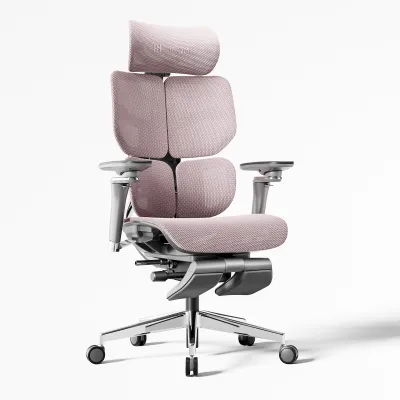
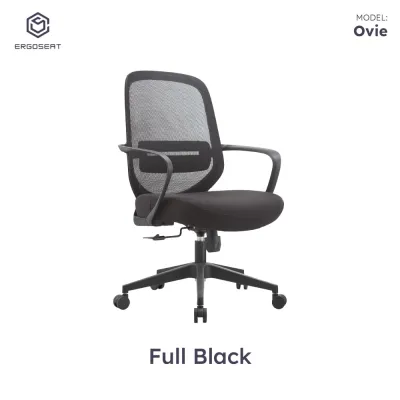
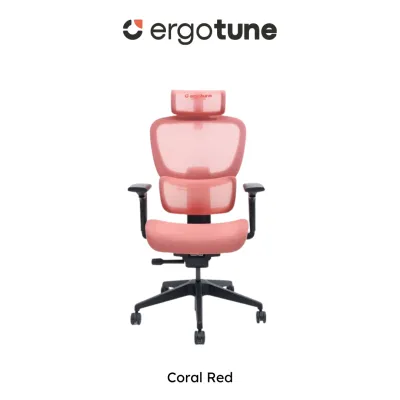
Prices are valid at publication and may change. Please refer to the product page for the latest price.
Build quality starts with the foundation of the chair. High-quality brands utilize heavy-duty materials like die-cast aluminum or reinforced fiberglass nylon for the base and frame, which prevent wobbling and structural fatigue. The casters, or wheels, must also match your flooring type; soft polyurethane casters are ideal for protecting delicate parquet or vinyl flooring common in Singapore homes, while hard nylon casters are better suited for carpeted study rooms.
Adjustability is the core of ergonomics. A truly ergonomic chair should adapt to your body, not force your body to adapt to the chair. This means looking for brands that offer precise control over seat height, seat depth, backrest tilt tension, and armrest positions. The more points of adjustment a chair has, the easier it is to tailor the support to your unique physical proportions.
Climate suitability is a critical factor that is often overlooked. In Singapore’s warm and humid climate, heat dissipation is essential for maintaining comfort throughout the day. Brands that offer high-tension elastomeric mesh backrests and seats provide superior airflow compared to thick, leather-upholstered chairs. However, if you primarily work in an air-conditioned room, a high-density molded foam seat cushion with a breathable fabric cover might offer the plush support you prefer without causing overheating.
How to Assess Build Quality and Material Durability
To evaluate the durability of different brands without relying on promotional claims, you should examine the technical specifications provided by the manufacturers. Start by checking the maximum weight capacity of the chair. Reputable brands design their chairs to support at least 120kg to 150kg, which indicates robust structural joints and a high-quality class 4 gas lift cylinder.

The choice of frame material directly impacts both the weight of the chair and its long-term stability. Aluminum frames offer exceptional rigidity and are highly resistant to corrosion, making them an excellent choice for humid environments. Reinforced nylon frames are more flexible and lightweight, but you should verify that the manufacturer uses glass-filled nylon rather than cheap, unreinforced plastics that can warp or crack under continuous stress.
Upholstery durability is another critical area of comparison. If you are looking at mesh chairs, check if the mesh is woven with elastomeric fibers, which retain their tension over years of use without sagging. For fabric or leather options, look for rub-test ratings (such as the Martindale method) if available; a rating of 50,000 rubs or higher indicates commercial-grade durability. Avoid low-grade synthetic leathers, as the high humidity in Singapore can cause the polyurethane coating to peel and flake within a few years.
Finally, use the manufacturer’s warranty as a practical indicator of build quality. Brands that offer comprehensive warranties of 5 to 12 years on the frame, tilt mechanism, and gas lift are demonstrating confidence in their product’s longevity. While entry-level models may cost under S$300, premium ergonomic chairs often range from S$600 to over S$1,500, reflecting their superior materials and engineering. Be sure to read the warranty terms carefully, as some brands offer a long overall warranty period but exclude the mesh, fabric, or armrest pads after the first year or two.
Matching Adjustability Features to Your Posture
To find a chair that supports your posture throughout the day, you must match the brand’s adjustability features to your specific physical needs. The lumbar support mechanism is the most critical component for preventing lower back strain. Look for brands that offer adjustable lumbar support, allowing you to change both the height and the depth of the support pad to align perfectly with the natural curve of your lower spine.
Some advanced brands feature dynamic lumbar support systems that automatically pivot and adjust their tension as you shift your weight or lean forward. This is particularly beneficial if you tend to move frequently while working. If you prefer a more locked-in, rigid feel, a manual dial-adjusted lumbar system may provide the firm resistance you need.
Armrest adjustability is essential for reducing tension in your shoulders and neck. Look for brands that offer 3D or 4D armrests, which allow you to adjust the height, depth, angle, and width of the arm pads. This level of customization ensures that your elbows can rest comfortably at a 90-degree angle, directly aligned with your keyboard and mouse, regardless of how wide or narrow your shoulders are.
Seat depth adjustment is another vital feature, especially for taller or shorter users. A seat depth slider allows you to move the seat pan forward or backward. When adjusted correctly, there should be a space of about two to three fingers between the front edge of the seat and the back of your knees, which prevents the seat from cutting off circulation to your lower legs while ensuring your back remains fully supported by the backrest.
Navigating Warranties and Local Support in Singapore
When investing in a high-quality ergonomic chair, the level of local support and after-sales service is just as important as the chair’s physical features. Purchasing from a brand with an established local presence in Singapore ensures that you can easily resolve any issues that may arise. Check if the brand has an official showroom where you can physically test the chairs before making a decision.
A physical visit to a showroom allows you to evaluate the ease of use of the adjustment levers, the firmness of the seat cushion, and the overall stability of the chair. It also gives you an opportunity to speak with knowledgeable staff who can guide you on how to adjust the chair to your body. If a brand only sells online, look for those that offer a risk-free home trial period, allowing you to test the chair in your actual work environment for a week or two.
Carefully review the delivery and assembly options offered by the retailer. Ergonomic chairs can be heavy and complex to assemble, so professional assembly services are highly recommended to ensure all components are fitted correctly and safely. If you live in a high-rise HDB flat or condominium, verify that the delivery service includes lift access and that there are no hidden fees for carrying the chair up stairs if your building lacks elevator access.
Lastly, understand the process for claiming a warranty. Brands with local service centers in Singapore can typically send a technician to your home to repair or replace faulty parts, saving you the hassle of dismantling and shipping a bulky chair back to an overseas warehouse. Confirm whether the warranty covers on-site servicing or if you are expected to transport the chair to a service center yourself.
Decision Framework: Choosing the Right Ergo Chair for Your Setup
To narrow down your choices and select the perfect ergonomic chair for your home office, you can use a structured decision framework based on your work habits, environment, and space constraints. If your work requires you to sit for long, continuous hours, prioritize brands that offer advanced dynamic lumbar support and a synchronous tilt mechanism that allows you to recline comfortably while keeping your feet flat on the floor.
For home offices that rely on natural ventilation or ceiling fans rather than continuous air conditioning, a full-mesh chair is the most practical choice. The open weave of high-quality mesh allows air to circulate freely, keeping you cool and preventing sweat buildup. If you prefer the plush feel of a cushioned seat, ensure the brand uses breathable, moisture-wicking fabric covers rather than non-porous synthetic leather.
Consider the physical dimensions of your workspace, especially if you are fitting the chair into a compact HDB bedroom or a shared study nook. Measure the width between your desk legs and the height of your desk surface. Choose a chair with a base diameter and armrests that can easily slide under your desk when not in use, maximizing your floor space when you are not working.
While a high-quality ergonomic chair is an excellent tool for supporting healthy posture, it is important to remember that it is not a medical cure. If you suffer from chronic back, neck, or shoulder pain, a new chair alone may not resolve the issue. You should stop and consult a medical professional or physical therapist to address any underlying health conditions and develop a comprehensive approach to your physical well-being.
Frequently Asked Questions (FAQ)
Are premium ergonomic brands always necessary for home office use?
Premium ergonomic brands are not strictly necessary for everyone, but they offer significant advantages in terms of adjustability, material durability, and warranty coverage. If you only use your home office for a few hours a week, a mid-range chair with basic height, lumbar, and armrest adjustments will likely meet your needs. However, if you work from home full-time and spend eight or more hours a day at your desk, investing in a premium brand with advanced ergonomic features and a long warranty is highly beneficial for your long-term comfort and health.
How can I test an ergonomic chair's comfort before buying online?
The most reliable way to test an ergonomic chair is to visit a local showroom in Singapore, where you can sit in various models and try out the adjustment mechanisms. If visiting a showroom is not possible, you can measure your current chair’s dimensions—such as seat height, width, and depth—and compare them against the detailed specifications listed on the manufacturer’s website. Additionally, look for brands that offer home trial periods with flexible return policies, allowing you to experience the chair’s comfort in your own workspace before making a final commitment.

Community discussion
Share your experience or ask a question. Comments are reviewed before publication.