
Finding the right home office chair in Singapore requires balancing structural durability with highly adjustable ergonomic support. With many local and international brands available, making an informed choice involves looking past marketing claims and focusing on verifiable specifications, material certifications, and physical adjustability. Because Singapore’s warm, humid climate puts unique demands on upholstery and structural components, understanding how to evaluate these chairs ensures your investment supports your posture and lasts for years.
When setting up a home workspace, the chair is the most critical component for long-term health and productivity. A poorly designed chair can lead to chronic back pain, poor circulation, and muscle fatigue, while a high-quality ergonomic chair adapts to your body shape and movements. To find the best option for your home, you must evaluate key metrics such as frame construction, foam density, mesh quality, and adjustability ranges. This guide provides a comprehensive framework to help you compare different chair brands and models, ensuring you select a chair that fits your body, workspace, and budget.
Core Metrics for Comparing Build Quality and Ergonomics
To objectively compare different office chair brands, you must look at the physical components and specifications that dictate structural integrity. The base and frame form the foundation of any chair. High-quality chairs typically feature heavy-duty aluminum alloy or reinforced nylon bases, which offer superior stability and higher weight capacities compared to standard plastic bases. When reviewing product specifications, always check the manufacturer’s rated weight capacity; a higher rating often indicates more robust internal joints and a sturdier overall construction.
Products mentioned in this guide
![[SG Ready Stocks] Ergonomic Office Chair - 8.5cm Thick Cushion + Antislip Surface Adjustable Backrest & Detachable Headrest Flip-Up Arms Rocking & Lock Function 15-Min Easy Assemble for Home/Office](https://img.lazcdn.com/g/p/056ecb65b2a442dd9a476ff654362085.jpg_400x400q80.jpg_.webp)
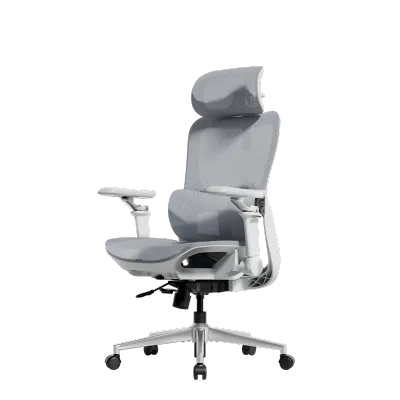
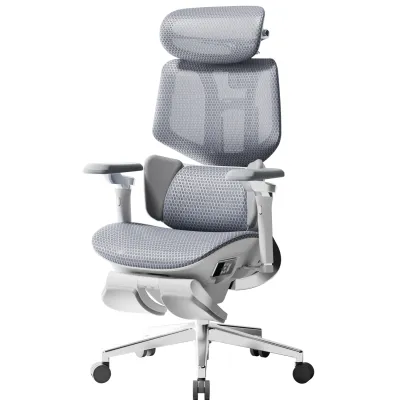
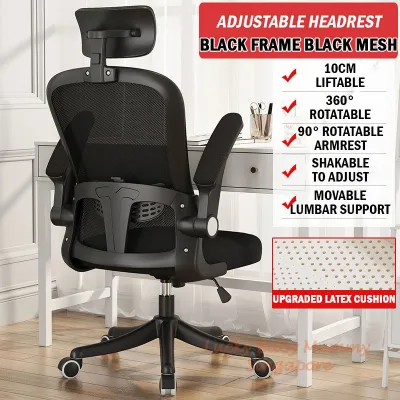
Prices are valid at publication and may change. Please refer to the product page for the latest price.
Another critical metric is the quality of the seating material, specifically foam density and mesh tension. For padded seats, high-density molded foam (typically rated above 50 kg/m³) is the industry standard for durability, as it retains its shape and supportive properties over years of daily use. In contrast, low-density cut foam quickly sags, leading to discomfort and pressure points. For mesh chairs, look for multi-zoned woven mesh. High-quality mesh is engineered with varying levels of tension across the seat and backrest to provide targeted support—firmer where your pelvis and lower back require stability, and softer where your thighs rest to prevent restricted blood flow.
Finally, the warranty terms offered by a brand serve as a reliable proxy for manufacturer confidence in structural durability. A comprehensive warranty should cover the frame, tilt mechanism, gas lift, and mesh or fabric. Premium brands often provide warranties ranging from five to twelve years, reflecting their use of high-grade materials and rigorous testing. Mid-range and budget brands typically offer shorter warranties, often limited to one to three years, with specific exclusions for wear-and-tear items like upholstery. Carefully reading the warranty terms helps you assess the long-term value and expected lifespan of the chair.
Evaluating Structural Durability and Material Lifespan
The moving parts of an office chair—such as the casters, gas lift cylinder, and tilt mechanism—are the most susceptible to wear and failure. When comparing brands, verify that these components carry recognized safety and performance certifications. The gas lift cylinder, which controls height adjustment, should ideally be a Class 3 or Class 4 cylinder certified by international testing bodies like TUV or BIFMA. These certifications ensure the cylinder can safely withstand daily pressure changes and weight loads without losing height or failing structurally.

Casters and tilt mechanisms also require close inspection. Casters should be selected based on your home’s flooring material to prevent damage and ensure smooth movement. Hard nylon casters are suitable for carpeted floors, while soft polyurethane (PU) coated casters are essential for protecting Singapore’s common vinyl, laminate, or parquet flooring from scratches. The tilt mechanism should operate smoothly without squeaking or catching. Heavy-duty steel multi-functional mechanisms allow for advanced adjustments, such as synchro-tilt, where the backrest and seat recline at a synchronized ratio to maintain proper spinal alignment.
Upholstery material is another major factor in durability, especially under Singapore’s humid conditions. Cheap polyurethane (PU) or bonded leather is highly prone to peeling, cracking, and flaking when exposed to humidity and sweat over time. For long-lasting durability, opt for breathable elastomeric mesh, high-grade commercial fabrics, or genuine top-grain leather. Always check the manufacturer’s care labels for cleaning instructions and wear-resistance ratings, such as the Martindale rub count. A rub count of 50,000 or higher indicates commercial-grade durability suitable for intensive daily use.
Comparing Ergonomic Adjustability and Posture Support
True ergonomic support goes beyond basic height adjustment; it requires a chair to adapt to your unique body proportions and working postures. The lumbar support system is the most critical feature for preventing lower back pain. Fixed lumbar supports rarely align correctly with every user’s spine. Look for chairs that offer adjustable lumbar support, allowing you to modify both the height and depth of the support pad. Some premium models feature dynamic, self-adjusting lumbar panels that automatically pivot and shift tension as you lean forward or recline, maintaining continuous contact with your lower back.
Armrest adjustability is another key factor in reducing shoulder and neck strain. Standard chairs often feature fixed or 1D armrests that only adjust in height. For optimal desk alignment, look for 3D or 4D armrests that adjust in height, slide forward and backward, pivot inward and outward, and adjust in width. This level of adjustability allows you to position the armrests so your elbows rest comfortably at a 90-degree angle, aligned with your keyboard and mouse, preventing you from hunching forward.
Seat depth adjustment, often controlled by a seat slider mechanism, is equally important for proper leg support and circulation. A seat pan that is too deep can press against the back of your knees, restricting blood flow, while a seat pan that is too shallow fails to support your thighs adequately. An adjustable seat slider allows you to position the seat pan so that there is a two-to-three-finger gap between the edge of the seat and the back of your knees. Additionally, check the recline tension control and lock positions; a high-quality chair should allow you to adjust the recline resistance to match your body weight, enabling effortless movement between focused upright work and relaxed reclining.
Decision Framework: Choosing the Right Brand Tier for Your Needs
To make the right purchase, you must match your daily work habits, physical requirements, and budget to the appropriate brand tier. Premium ergonomic brands are highly recommended if you work from home full-time (eight or more hours a day) and require extensive adjustability to prevent strain. These brands offer medical-grade ergonomic designs, high weight capacities, premium materials like elastomeric mesh, and extensive warranties. While the initial investment is higher, the long-term durability and health benefits make them a cost-effective choice for dedicated remote professionals.
Mid-range task chairs are ideal for hybrid workers, students, or those who use their home office for moderate periods (four to six hours daily). These chairs typically feature reliable basic ergonomics, such as adjustable lumbar support and 3D armrests, paired with standard nylon frames and decent warranties. They offer a balanced compromise between comfort, durability, and price, making them a popular choice for standard home setups.
Budget-friendly options are suitable if you prioritize basic seating for short durations (one to two hours at a time) or have strict budget constraints. When shopping in this tier, it is crucial to verify the safety certifications of the gas lift cylinder and ensure the base is stable enough to prevent tipping. Avoid complex mechanisms in cheap chairs, as low-grade adjustable parts are more likely to break; instead, opt for simpler, well-built designs with fewer moving parts.
Before finalizing your purchase, always measure your workspace, including desk height, doorway clearance, and available floor space, to ensure the chair fits comfortably. If you have specific physical requirements, chronic back pain, or existing musculoskeletal conditions, consult a healthcare professional or physical therapist. They can provide personalized recommendations on the specific ergonomic features and support levels your body needs, ensuring your new chair actively supports your physical well-being.
Frequently Asked Questions (FAQ)
How can I test a chair's ergonomic support before buying online?
When physical testing is not possible, carefully review the manufacturer’s detailed dimension diagrams. Measure your desk height, your torso length, and your leg length to ensure the chair’s adjustment ranges (seat height, armrest height, seat depth) accommodate your body. Additionally, check the online retailer’s return policies, trial periods, and potential restocking fees, as some brands offer risk-free home trials.
What maintenance is required to preserve the build quality of an office chair?
To extend the lifespan of your chair, follow the specific cleaning instructions on the manufacturer’s upholstery care label. For mesh and fabric, regular vacuuming prevents dust buildup, while a damp cloth can clean polyurethane frames. Periodically inspect the chair every six months to tighten any loose screws, clear hair and debris from the casters, and check that the gas lift cylinder remains stable and free of excessive grease leaks.
Community discussion
Share your experience or ask a question. Comments are reviewed before publication.