
Quick Answer: Finding the Best Balance of Quality and Price
When shopping for new chairs, dining spaces in Singapore require a careful balance of aesthetic appeal, comfort, and structural durability. Finding the best balance of quality and price is not about identifying a single winning brand; rather, it is about aligning your budget with your household’s specific longevity expectations. Dining chairs face unique environmental challenges, such as high relative humidity, alongside daily physical wear.
The trade-offs across the market are clear. Mass-market brands offer immediate affordability and modern, flat-pack convenience, but they typically have a shorter functional lifespan. Mid-range design-led brands balance contemporary aesthetics with reliable daily durability, making them highly suitable for standard HDB flats and condominiums. Premium or solid-wood specialist brands offer exceptional craftsmanship and generational longevity, though they require a higher upfront financial investment and regular maintenance. By understanding these tiers and knowing how to inspect physical components, you can make a purchase that delivers genuine long-term value.
Decoding Brand Tiers: What to Expect at Each Price Point
Understanding how the dining chair market is segmented allows you to set realistic expectations for materials, construction, and lifespan before making a purchase. Broad price bands help categorize what you are actually paying for.
Products mentioned in this guide
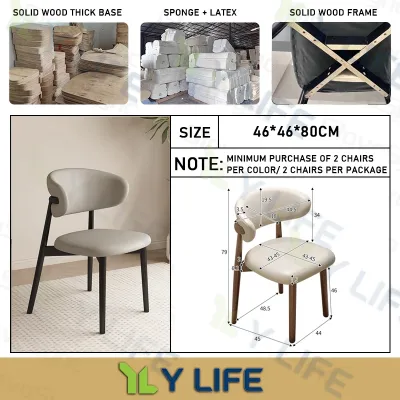
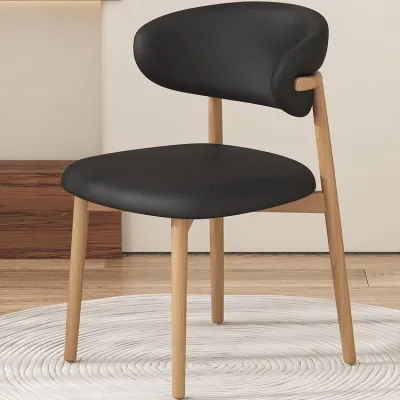
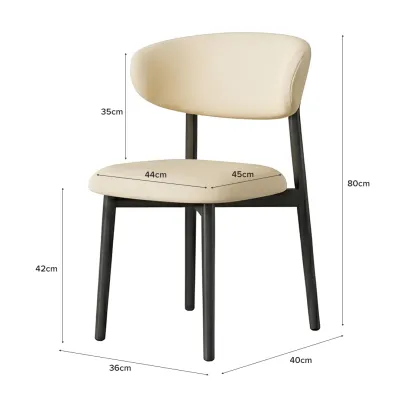
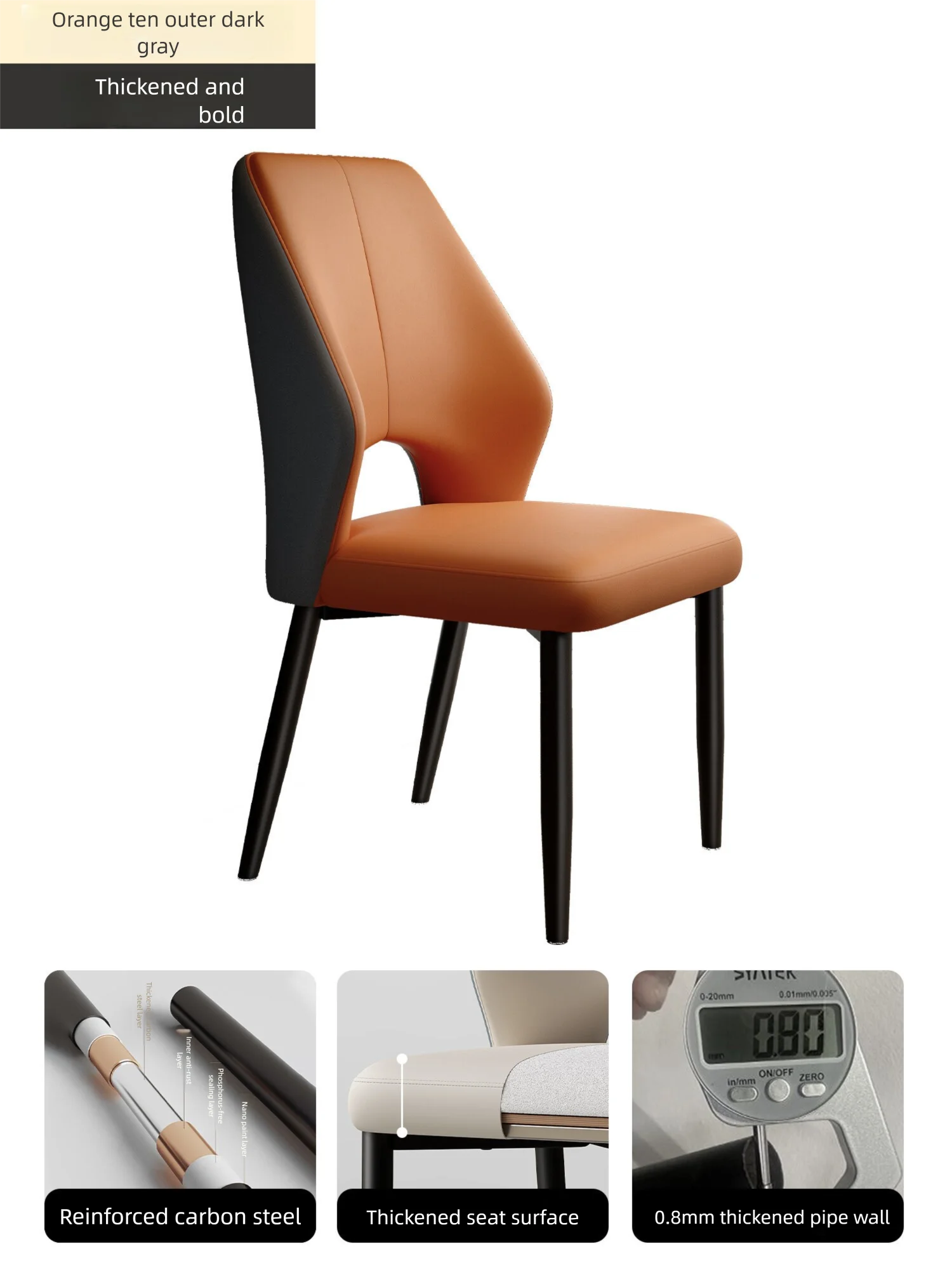
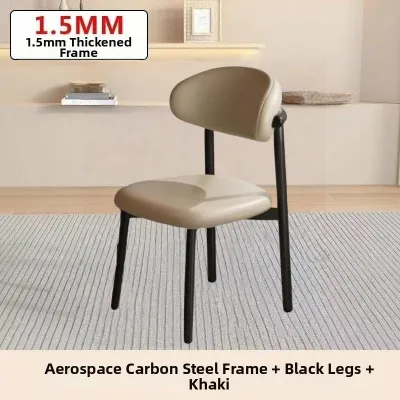
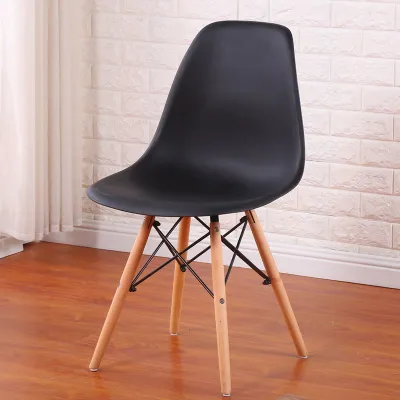
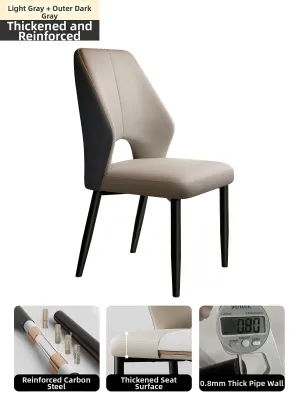
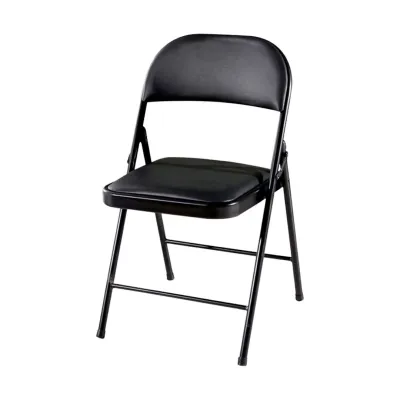
Prices are valid at publication and may change. Please refer to the product page for the latest price.

Mass-Market and Flat-Pack Brands
These brands prioritize high accessibility, modular designs, and immediate affordability, with prices typically under S$100 per chair. Designed for rapid manufacturing and easy transport, these products are often sold in flat-packs that require self-assembly. The materials used generally include particleboard, medium-density fibreboard (MDF), lightweight steel tubing, or molded plastics. While these chairs are excellent for temporary setups, fast-changing decor trends, or tight budgets, they often feature lower weight capacities and simpler fastening systems. Over time, the screws and dowels in flat-pack furniture can loosen under repeated lateral movement, leading to wobbling if they are not periodically tightened.
Mid-Range and Design-Led Brands
Positioned in the S$100 to S$400 price band, mid-range brands focus heavily on balancing visual appeal with structural durability. These chairs are highly popular among Singapore homeowners living in HDB flats and condominiums who want a curated interior design without premium prices. Manufacturers in this tier typically use engineered wood wrapped in high-quality natural wood veneers, solid wood legs paired with reinforced plywood seats, or fully upholstered metal frames. They also utilize higher-density polyurethane foams that retain their shape longer than basic padding. This tier offers a significant step up in stability, joint strength, and seating comfort, making them reliable workhorses for daily family meals.
Premium and Solid Wood Specialists
At the upper end of the spectrum, with prices exceeding S$400 per chair, premium brands and solid wood specialists focus on traditional craftsmanship, high-end materials, and heirloom-quality longevity. These chairs are constructed primarily from solid hardwoods such as teak, oak, walnut, or ash. Instead of relying on simple metal screws or glue alone, these pieces often feature traditional joinery techniques like mortise-and-tenon joints or reinforced corner blocks. The upholstery in this tier typically consists of premium top-grain leathers, wool blends, or high-performance fabrics designed to resist wear and staining. Investing in this category means paying for a product designed to last decades, retaining both its structural integrity and aesthetic value over time.
Key Dimensions for Comparing Chairs Dining Quality and Durability
To objectively evaluate any brand, you must look past aesthetic styling and analyze the specific engineering choices that dictate comfort and lifespan.
Frame Materials and Joinery
The foundation of any durable dining chair lies in its frame material and how the individual pieces are joined together. While solid wood is frequently praised for its strength, a material name alone does not guarantee performance; the species of wood and the quality of the joints are what determine real-world durability. Hardwoods like oak and teak are far more resistant to denting and joint loosening than softwoods like pine. When evaluating engineered wood frames, look for high-density plywood rather than low-density particleboard, as plywood holds fasteners much more securely.
The joinery is the most critical point of failure in dining chairs. Simple butt joints held together only by staples or glue will quickly fail under the dynamic load of a sitting person. Look for chairs that utilize mortise-and-tenon joints, where a wooden tongue fits precisely into a corresponding cavity, or dowel joints reinforced with heavy-duty steel wood screws. Additionally, high-quality chairs feature triangular wooden corner blocks screwed and glued to the inside corners of the frame. These blocks absorb lateral forces when a user shifts their weight or slides the chair across the floor, preventing the frame from warping or wobbling over time.
Seat Construction and Comfort
A dining chair must be comfortable enough to support extended conversations around the table, which makes seat construction a vital comparison point. Lower-quality chairs often use standard low-density polyfoam padding directly over a rigid plywood base. While this may feel soft initially, low-density foam quickly compresses and loses its resilience within a year or two, leaving the user sitting directly on the hard wood beneath. Look for brands that specify high-resilience (HR) foam, which recovers its shape quickly and distributes body weight more evenly.
The support system beneath the foam also dictates comfort. Premium chairs often utilize elastic webbing or sinuous steel springs stretched across the frame, providing a flexible suspension system that conforms to the body. Furthermore, pay close attention to the seat’s ergonomics. A well-designed chair features a subtle contour or drop toward the back of the seat to prevent the occupant from sliding forward. The depth of the seat should allow you to sit fully back against the backrest while leaving a gap of approximately two to three fingers between the edge of the seat and the back of your knees, ensuring proper circulation during long meals.
Upholstery and Finish Durability
Upholstery and surface finishes are the first line of defense against daily wear, spills, and environmental exposure. When comparing upholstered chairs, do not rely on visual appeal alone; ask for the fabric’s Martindale rub count, which measures abrasion resistance. For standard domestic dining chairs, a rub count of 15,000 to 20,000 is acceptable, but households with heavy daily use should look for performance fabrics with a rating of 30,000 rubs or higher. If you prefer natural leather, ensure it is top-grain or full-grain leather, as bonded leather is prone to peeling and cracking within a few years in warm environments.
For wooden components, the type of finish applied to the surface dictates how well the chair resists moisture and stains. Polyurethane finishes create a hard, synthetic barrier over the wood, providing excellent protection against spilled liquids, water rings, and scratches. However, if a polyurethane finish is damaged, it is difficult to repair without sanding down the entire chair. Conversely, natural oil or wax finishes penetrate the wood fibers to highlight the natural grain, offering a more tactile feel. While oil finishes are less resistant to standing liquids and require periodic reapplication, they allow you to easily buff out and repair minor scratches at home without professional help.
Evaluating True Value: Warranties, Maintenance, and Lifespan
To determine whether a dining chair represents true value, you must look beyond the initial purchase price in Singapore Dollars (S$) and calculate the total cost of ownership over the product’s expected lifespan. A budget chair costing S$80 may seem like a bargain, but if it begins to wobble, sag, or peel after two years, the cost-per-year of ownership is S$40. In contrast, a mid-range chair priced at S$300 that remains structurally sound and comfortable for ten years has a cost-per-year of only S$30. Over a decade, the more expensive upfront purchase actually represents better financial value, while saving you the hassle of frequent shopping, assembly, and disposal.
Warranty coverage is a clear indicator of a manufacturer’s confidence in their product’s durability. When comparing brands, distinguish between the structural frame warranty and the cosmetic warranty. A reputable mid-range or premium brand will often offer a 3- to 10-year warranty on the structural frame and joints, reflecting their belief in the joinery’s integrity. Cosmetic elements, such as fabric upholstery, foam compression, and surface finishes, are typically limited to a 1-year warranty because they are highly dependent on user care. Be wary of brands that offer only a blanket 6-month or 1-year warranty on the entire chair, as this often indicates that the components are not designed for long-term daily use.
Singapore’s tropical climate introduces specific maintenance challenges that can shorten a dining chair’s lifespan if not properly managed. The high relative humidity can cause solid wood to expand and contract, which puts constant stress on glued joints. If a home is not air-conditioned or lacks consistent airflow, natural fiber upholstery like cotton or linen blends can become breeding grounds for mold and mildew. Cheap metal frames or hardware may also begin to rust if the protective coating is thin or scratched. When choosing a brand, consider the maintenance required: solid wood chairs with oil finishes will need re-oiling every 6 to 12 months, while synthetic performance fabrics or molded plastics require nothing more than a quick wipe with a damp cloth to remain in pristine condition.
Decision Framework: Which Brand Category Fits Your Needs?
To finalize your purchase, you must match your household’s specific living situation, budget, and aesthetic preferences with the appropriate brand category.
Choose Mass-Market Brands if:
- You are living in a temporary rental property or student accommodation where you do not plan to stay long-term.
- You have a highly restricted immediate budget but need to furnish a complete dining area quickly.
- You enjoy updating your home decor every few years to align with changing interior design trends and do not mind replacing furniture.
- The chairs will be placed in a low-traffic area or used only occasionally for formal dining rather than daily family meals.
Choose Mid-Range Design Brands if:
- You are furnishing a long-term HDB flat or condominium and want a cohesive, modern look that matches your existing dining table.
- You require reliable, sturdy seating for daily family dinners, homework sessions, or remote work.
- You have young children or pets and need practical, easy-to-clean options like stain-resistant performance fabrics or durable synthetic materials.
- You want a solid balance of structural integrity and comfort without paying the premium price tag associated with designer names.
Choose Premium/Specialist Brands if:
- You view your dining room furniture as a long-term, heirloom-quality investment that you plan to keep for decades or pass down to family members.
- You have a strong appreciation for natural materials, traditional woodworking craftsmanship, and unique design details.
- You have the budget to invest in high-quality solid hardwoods like teak or walnut and premium natural upholstery.
- You are willing to perform the regular maintenance required to preserve solid wood and high-end fabrics in Singapore's humid climate.
Verify First if:
- Your dining area has tight spatial constraints, such as narrow walkways or a small dining alcove, which require chairs with a compact footprint or armless designs that slide completely under the table.
- You have a non-standard dining table height, requiring you to carefully calculate the clearance between the chair seat and the underside of the tabletop.
- You need to match the wood species, grain pattern, or stain color of an existing dining table, as mixing different wood tones can sometimes create visual clashing.
Pre-Purchase Verification: How to Test Chairs Before Buying
Before committing to a purchase, visiting a showroom or performing a thorough inspection upon delivery is essential to verify a brand’s quality claims. Do not rely solely on online photos or marketing descriptions; physical testing is the most reliable way to assess comfort and stability.
Begin with the “sit and wiggle” test. Sit fully in the chair, lean back, and gently shift your weight from side to side and front to back. A high-quality chair should feel completely rigid and silent. Any squeaking, creaking, or subtle swaying indicates loose joints or flexible framing that will only worsen over time. Next, place your hands on the backrest and apply moderate downward and lateral pressure to check for flexing in the rear legs and back uprights.
After testing the stability, inspect the physical construction of the chair’s underside, which is where manufacturers often cut corners. Tilt the chair over or look underneath the seat frame. The fabric dust cover should be neatly attached with evenly spaced staples, and there should be no loose threads or exposed raw wood edges. Look for the presence of triangular wooden corner blocks screwed into the frame corners; their absence is a major red flag for long-term durability. If the chair is upholstered, check that the fabric is pulled taut without puckering, and verify that the seams are straight and double-stitched for added strength.
Next, verify the physical dimensions to ensure the chairs are compatible with your existing dining space and table. Measure the distance from the floor to the top of the seat cushion. To maintain comfortable seating ergonomics, there should be a gap of 25 to 30 centimeters between the top of the seat and the underside of your dining table’s apron. If the gap is too small, your thighs will feel cramped; if it is too large, you will feel awkwardly low while dining. Also, measure the width of the chairs to ensure they can slide fully under your table between the table legs, taking into account any doorway or lift access limitations if you live in a high-rise condominium or HDB block.
Finally, clarify the delivery, assembly, and return terms before finalizing your order. Some brands deliver chairs fully assembled, while others provide flat-packs that require self-assembly. If you choose self-assembly, follow the manufacturer’s instructions carefully and avoid over-tightening screws, which can strip the wood or thread inserts. Be aware that some brands may void or limit their warranty if structural damage occurs during self-assembly. If the brand offers professional installation, it is often worth the nominal fee to ensure the chairs are assembled correctly and that your warranty remains fully intact.
Frequently Asked Questions (FAQ)
What is the standard dining chair height for most tables?
Most standard dining tables in Singapore have a height ranging from 73 to 76 centimeters. To match these tables, standard dining chairs typically feature a seat height of 43 to 48 centimeters, measured from the floor to the highest point of the seat cushion. This leaves an optimal leg clearance gap of approximately 25 to 30 centimeters. When shopping, always measure your specific table’s apron—the wooden or metal panel directly beneath the tabletop—as a thick apron can reduce leg clearance and require a slightly lower chair seat height.
How does Singapore's humidity affect wooden dining chairs?
Singapore’s high relative humidity, which frequently hovers around 80% or higher, causes solid wood to naturally absorb moisture and swell. Conversely, when air conditioning is turned on, the air dries out, causing the wood to contract. This constant cycle of expansion and contraction puts significant stress on glued joints and can cause low-quality adhesives to fail over time. To protect your wooden chairs, keep them away from direct tropical sunlight, which can dry out and crack the wood. Ensure stable indoor airflow, wipe up liquid spills immediately, and check and tighten any mechanical fasteners or joints annually to prevent structural instability.

Community discussion
Share your experience or ask a question. Comments are reviewed before publication.