
Finding an office chair that stays securely in place without damaging your floors is a common challenge when setting up a home workspace. Because anti-slip designs vary widely across manufacturers—ranging from soft polyurethane casters to stationary rubber glides—there is no single brand that fits every home. The ideal solution depends on your specific flooring material, your mobility needs, and how the chair’s components interact with smooth surfaces.
To make an informed purchase, you must look beyond marketing claims and evaluate the technical specifications of the wheels, the base design, and the compatibility of the materials with your home’s environment. This guide provides a practical framework to help you compare these features, understand how they perform on typical hard floors, and select a setup that balances stability with smooth, controlled movement.
Understanding Anti-Slip Mechanisms in Office Chairs
To choose a stable office chair, you must first understand the components that control traction. The primary point of contact between your chair and the floor is the caster wheel or the stationary glide. Standard office chairs often ship with hard nylon casters, which are designed for carpeted floors. On hard, smooth surfaces, these hard plastic wheels lack grip, causing the chair to slide away unexpectedly when you sit down or stand up, while also risking surface scratches.
Products mentioned in this guide
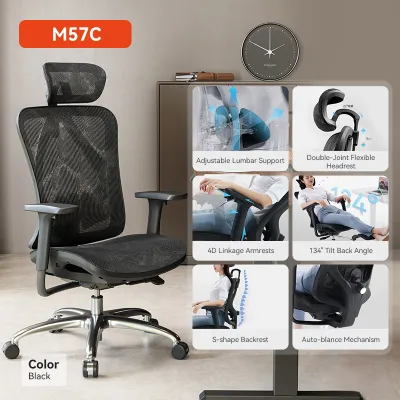
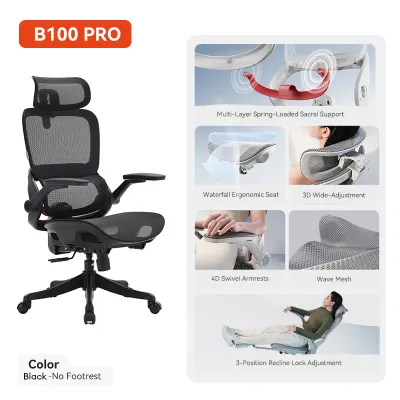
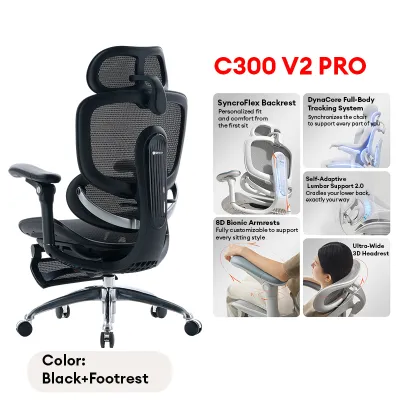
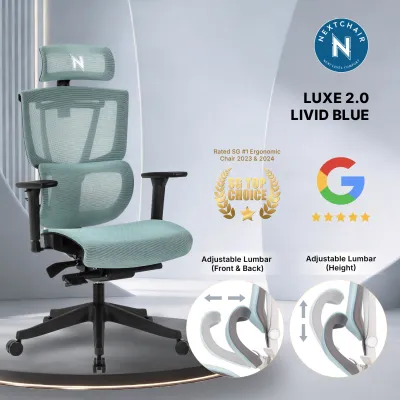
Prices are valid at publication and may change. Please refer to the product page for the latest price.
Anti-slip chairs solve this issue by using softer materials for the outer layer of the wheels. Polyurethane (PU) and rubber-coated casters are the two most common options. These materials have a higher coefficient of friction, allowing them to grip smooth surfaces and roll with controlled resistance. This resistance prevents the chair from drifting freely under minor shifts in your body weight, providing a secure seating experience.
Base stability also plays a critical role in preventing unwanted movement. A wider five-star base distributes weight more evenly, reducing the likelihood of the chair tipping or sliding when you lean. For tasks that require absolute stillness, such as drafting or precision work, stationary glides with non-slip rubber pads are used instead of wheels. These glides maximize surface contact and friction, keeping the chair firmly anchored to one spot.
It is important to distinguish between “anti-slip” and “floor-protective” features, though they often overlap. An anti-slip feature focuses on traction and controlled resistance to prevent sudden, accidental movement. A floor-protective feature focuses on material softness to prevent abrasive wear, scratches, and scuffs. High-quality PU casters achieve both goals simultaneously, offering enough grip to prevent sliding while remaining soft enough to protect delicate floor finishes.
Matching Chair Features to Your Hard Floor Type
The flooring material in your home office dictates the level of grip and protection your chair requires. In Singapore, residential spaces commonly feature ceramic tiles, luxury vinyl tiles (LVT), or laminate flooring. Each of these materials reacts differently to pressure, friction, and environmental factors like humidity.

Ceramic and porcelain tiles are highly durable but have a very smooth, non-porous surface. Hard nylon wheels slide easily over tiles, especially if there is any dust or moisture present. The grout lines between tiles also create uneven transitions; rolling over them with hard wheels can cause sudden jolts or chipping. Soft PU or rubber-coated wheels are ideal here, as they conform slightly to the tile surface and roll smoothly over grout lines without slipping.
Vinyl and laminate floors are softer than ceramic tiles but are highly susceptible to micro-scratches and indentation. Vinyl flooring can also experience chemical reactions with certain low-grade rubber compounds, leading to permanent discoloration. For these floors, high-density polyurethane casters are highly recommended. They provide excellent slip resistance without the risk of chemical staining or abrasive wear on the floor’s protective wear layer.
Before purchasing a chair, check your flooring manufacturer’s guidelines regarding furniture weight limits and caster compatibility. Some laminate and vinyl manufacturers specify the maximum load capacity and recommend using soft-wheel casters (often designated as Type W) to maintain the flooring warranty. Additionally, high indoor humidity can create a thin moisture film on smooth floors, reducing friction. Choosing wheels with a textured tread or a slightly softer durometer rating helps maintain grip even in humid conditions.
Key Specifications to Compare Across Brands
When comparing office chairs from different brands, you should look past generic product descriptions and focus on verifiable technical specifications. This systematic approach ensures you select a chair built for your specific flooring setup.
First, look for explicit labels indicating “hard floor casters” or “soft wheels.” Manufacturers who design chairs for hard surfaces will specify the caster material, usually polyurethane or thermoplastic elastomer (TPE). Some brands offer these as a standard feature, while others require you to select them as an upgrade during checkout. If the specification sheet only lists “nylon casters,” assume they are hard wheels designed for carpets and will require replacement.
Second, verify the caster stem dimensions. Most office chairs use a standard grip-neck stem, typically measuring 11mm in diameter and 22mm in length. Knowing this specification is crucial because it allows you to easily swap out the original wheels for specialized aftermarket anti-slip casters if needed. Some brands use proprietary stem sizes (such as 10mm), which severely limits your replacement options. Checking this detail beforehand ensures long-term flexibility.
Third, carefully review the manufacturer’s warranty terms. Look for clauses regarding caster wear and floor damage. Some premium brands offer warranties that cover the casters for several years, reflecting confidence in the material’s durability. Conversely, pay attention to any exclusions; some warranties are voided if the chair is used on hard floors without a protective mat. Understanding these boundaries helps you calculate the true cost of ownership and decide if additional floor protection is necessary.
Decision Framework: Choosing the Right Setup
To finalize your choice, you must balance your need for mobility with your requirement for stability. Use the following decision framework to identify the best configuration for your home office.
If you require frequent mobility—such as moving between a desk and a nearby filing cabinet—choose an ergonomic chair equipped with soft polyurethane casters. This setup allows you to roll smoothly when intentional force is applied, while providing enough natural resistance to prevent the chair from drifting when you are typing or leaning. Ensure the wheels are rated for hard floors to protect your tiles or vinyl.
If your work demands absolute stability and you rarely need to roll the chair, opt for a stationary configuration. You can achieve this by purchasing a chair that comes with stationary glides, or by replacing the wheels of a standard chair with rubber-bottomed bell glides. This setup is particularly beneficial for drafting tables, standing desk converters, or households with young children where rolling chairs might pose a safety hazard.
Finally, always verify the brand’s policy on aftermarket modifications before making a purchase. If a brand allows you to swap casters without voiding the warranty, you have the freedom to customize your chair with specialized grip wheels later. If the warranty strictly forbids modifications or requires a specific floor mat, you must decide whether the brand’s default hard-floor casters meet your standards or if you should look for a more flexible alternative.
Frequently Asked Questions (FAQ)
Can I add anti-slip wheels to any office chair?
Yes, you can add anti-slip wheels to most office chairs, provided the replacement casters match the stem dimensions of your chair’s base. The vast majority of modern office chairs use a standard stem size of 11mm by 22mm, making them compatible with a wide range of aftermarket polyurethane or rubber caster wheels. However, some brands use proprietary stem sizes, so it is essential to pull out one of your existing casters and measure the stem with a caliper before purchasing replacements. Always check the chair manufacturer’s warranty guidelines first, as installing third-party parts can sometimes void your coverage.
Do anti-slip chair mats work better than specialized wheels?
Anti-slip chair mats and specialized wheels serve different purposes, and the best choice depends on your specific floor condition. A high-quality chair mat provides a designated rolling zone, protecting delicate wood or vinyl floors from wear while offering a consistent level of friction. However, mats can introduce tripping hazards, collect dust underneath that scratches the floor, and alter the room’s aesthetic. Specialized soft PU casters offer a cleaner look and direct floor protection without the need for an extra accessory. For heavy-duty ergonomic chairs or highly sensitive flooring, combining soft casters with a thin, non-slip protective mat offers the highest level of protection and stability.

Community discussion
Share your experience or ask a question. Comments are reviewed before publication.