
A solid wood dining table is often the centerpiece of a home, serving as a gathering place for meals, conversations, and daily activities. To preserve its natural beauty and structural integrity, establishing a consistent weekly care routine is essential. By combining gentle cleaning techniques with proactive protection, you can prevent premature wear, preserve the wood’s unique grain, and keep the surface looking pristine for years to come.
Maintaining a wood table does not require complex chemical treatments. Instead, success lies in understanding your table’s finish and using the correct, non-abrasive tools. A simple routine of dry dusting, light damp wiping, and immediate drying forms the foundation of effective wood care, shielding the material from the cumulative effects of dust, moisture, and daily contact.
Understanding Your Solid Wood Table's Finish
Before applying any cleaning solution to your solid wood table, you must identify the type of protective finish applied to the surface. The finish acts as a barrier between the raw wood fibers and the environment, and different finishes require distinct care methods. Using an incompatible cleaning agent can dissolve, cloud, or strip away this protective layer, leaving the underlying wood vulnerable to moisture and staining.
Products mentioned in this guide
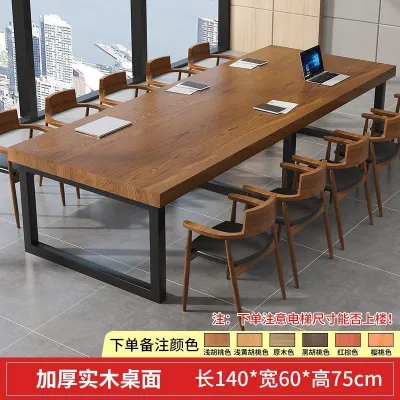

1 Lazada user ratings
Today I have received the item. However, there was a dent on the surface of the table that was resulted from the impact on the box during sh…Read full reviewShow less
Today I have received the item. However, there was a dent on the surface of the table that was resulted from the impact on the box during shipment or delivery. The seller responded promptly by making some compensation.
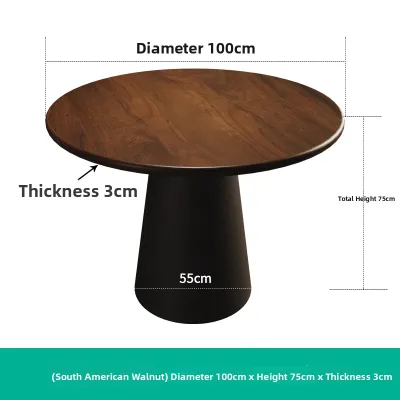
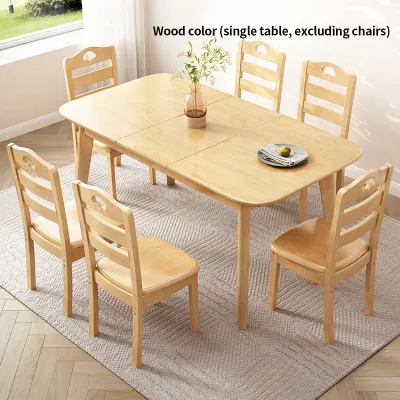
8 Lazada user ratings
Hi seller,l just received this table and we found out that it was damage as shown on the picture.Please kindly do a return and refund asap .…Read full reviewShow less
Hi seller,l just received this table and we found out that it was damage as shown on the picture.Please kindly do a return and refund asap . Thank
Received items and we’ll pack without any damage. Good service with items protected and will considering purchase in future. 👍🏻
Order received, nice solid wood but very stable. Some parts chipped off under the table
Very good thank you ☺️

1 Lazada user ratings
Durable and natural material, Quick delivery within 15-25 days, very well packaged. Trusted seller. Good customer service from seller
Prices are valid at publication and may change. Please refer to the product page for the latest price.
To determine your table’s finish, check the manufacturer’s documentation. If unavailable, use visual and tactile cues to make an assessment. Surface-sealed finishes, such as polyurethane, lacquer, or varnish, create a hard, smooth barrier over the wood. Water spilled on a surface-sealed table will typically bead up rather than soak into the wood, and the surface will feel completely uniform to the touch, with the natural texture of the wood grain sealed beneath the coating. These finishes generally offer higher moisture tolerance and are easier to clean with mild, water-based solutions.
In contrast, penetrating finishes, such as natural oils (like linseed or tung oil) or waxes, soak directly into the wood pores to protect the fibers from within. A table with an oiled or waxed finish often retains a matte appearance and a distinct, tactile wood texture where you can feel the physical ridges of the grain. Because these finishes do not form a thick surface barrier, they are highly sensitive to standing water and require specialized, oil-compatible maintenance products to prevent drying out and warping.
Essential Tools and Safe Cleaning Products
Equipping yourself with the correct tools is the next step in establishing a safe weekly cleaning routine. Using abrasive materials or harsh chemicals can micro-scratch the finish, gradually dulling its luster and compromising its protective qualities.

For routine dusting and wiping, lint-free microfiber cloths are the gold standard. Microfiber is exceptionally soft and designed to lift and trap dust particles rather than sliding them across the surface, which can cause fine scratches. For tables with intricate carvings or grooved joints, a soft-bristled brush gently dislodges trapped debris. Additionally, keep a few highly absorbent cotton drying towels on hand to ensure no moisture remains on the surface after cleaning.
When it comes to cleaning agents, simplicity is key. A few drops of mild, pH-neutral dish soap diluted in a large bowl of warm water is safe and highly effective for most surface-sealed wood tables. Alternatively, you can use a specialized wood cleaner, provided it is explicitly approved by your table’s manufacturer for your specific finish type.
You must strictly avoid several common household cleaning products that can cause severe, irreversible damage to wood finishes. Never use abrasive sponges, scouring pads, or steel wool, as these will physically strip the finish. Avoid cleaning products containing ammonia, bleach, or strong acids, which chemically break down lacquers and varnishes. Silicone-based polishes should also be avoided; while they offer a temporary shine, silicone leaves a stubborn residue that builds up over time, attracting dust and making future professional refinishing extremely difficult. Finally, steer clear of all-purpose glass cleaners, which often contain solvents that can cloud or dissolve delicate wood sealants.
Step-by-Step Weekly Cleaning Routine
A structured weekly cleaning routine ensures that dust, oils, and daily grime are removed systematically without exposing the wood to unnecessary moisture or physical stress. Follow these four steps to maintain a clean and protected surface.
Step 1: Dry Dusting
Always begin by dry dusting the entire table surface. Skipping this step and applying a damp cloth can turn fine dust and grit into an abrasive paste, causing microscopic scratches. Use a clean, dry microfiber cloth to gently sweep across the table, lifting loose particles from one end to the other, paying close attention to edges and decorative joinery.
Step 2: Preparing the Cleaning Solution
Once the surface is free of loose debris, prepare your cleaning solution. If you are using mild dish soap, mix a small amount with warm water until a light sudsy mixture forms. Submerge a clean microfiber cloth into the soapy water, then wring it out thoroughly. The cloth should be lightly dampened, not soaking wet; excess water is one of the primary causes of wood swelling, joint separation, and finish clouding.
Step 3: Wiping Along the Grain
Gently wipe the table surface using long, continuous strokes. Always wipe in the direction of the natural wood grain rather than in circular motions. Wiping with the grain helps lift dirt and skin oils from the microscopic ridges of the wood while minimizing the visibility of any minor streaks. For stubborn spots, apply light, localized pressure with your fingertip behind the cloth, rather than scrubbing vigorously.
Step 4: Immediate and Thorough Drying
Immediately after wiping an area with the damp cloth, follow up with a separate, completely dry microfiber towel. Wipe the surface dry using the same direction as the wood grain. Ensure that no damp streaks, water droplets, or moisture rings remain on the table. This step is crucial for preventing water spots and ensuring that moisture does not seep into the wood joints or beneath the finish.
Protecting Your Table from Daily Wear
While a weekly cleaning routine keeps the surface clean, preventative habits are what truly extend the lifespan of a solid wood dining table. Wood is an organic, reactive material that remains sensitive to its physical and atmospheric environment long after it has been crafted into furniture.
Using physical barriers is the simplest and most effective way to shield your table from daily wear. Always place coasters under cold drinks to prevent condensation from pooling on the finish, and use insulated trivets or hot pads under hot dishes to block heat transfer, which can cause the finish to turn a hazy white. For daily meals, utilize fabric or cork placemats to protect the wood from scratches caused by sliding plates, bowls, and utensils. Avoid plastic or vinyl placemats with synthetic backings, as these materials can sometimes react chemically with wood finishes, leaving permanent marks or discoloration.
Environmental control is equally important for preserving solid wood. Position your dining table away from sources of direct sunlight, such as unshaded windows. Prolonged exposure to ultraviolet rays can fade the wood’s natural color, dry out the fibers, and cause the finish to crack or peel. Additionally, avoid placing the table directly in the path of air conditioning vents, radiators, or fireplaces. Rapid fluctuations in temperature and humidity cause wood to expand and contract, which can lead to warping, splitting, or joint failure over time.
Finally, practice rotating your decorative items. If you keep a centerpiece, vase, or table runner in the same spot indefinitely, the wood beneath it will be shielded from ambient light while the rest of the table naturally matures and darkens. Periodically moving or rotating these decorative elements ensures even light exposure across the entire tabletop, preventing localized color differences and indentations.
Addressing Common Spills and Stains Safely
Accidents are inevitable at any dining table, but how you react to a spill determines whether it becomes a temporary inconvenience or a permanent stain. Quick, calm, and correct action is key to protecting the wood’s finish.
When a liquid spill occurs, your immediate response should be to blot, not wipe. Wiping or rubbing a liquid across the surface can push the moisture deeper into the wood grain or spread the spill over a larger area. Instead, place a clean, dry, absorbent cloth directly over the spill and apply gentle downward pressure to draw the liquid up into the fabric. Once the bulk of the liquid is absorbed, use a fresh, slightly damp cloth to clean any residue, followed immediately by a dry towel.
If you notice minor water rings or heat marks—which often appear as cloudy white patches on surface-sealed tables—consult the manufacturer’s specific troubleshooting guide before attempting any home remedies. Because different finishes react uniquely to heat and moisture, generic DIY solutions like applying mayonnaise, toothpaste, or baking soda can easily scratch or chemically damage the surface.
It is vital to recognize when to stop and seek professional help. If a spill involves harsh substances like nail polish remover, alcohol, or strong dyes, or if a stain has penetrated deep beneath the finish into the raw wood fibers, cease all DIY removal attempts. Rubbing too hard or using aggressive cleaning agents will strip the protective finish, worsen the discoloration, and make professional restoration more difficult and costly.
When to Seek Professional Maintenance
Even with meticulous weekly care and preventative habits, all wood finishes eventually wear down over years of daily use. Recognizing the limits of routine maintenance helps you preserve the structural integrity of your table without causing accidental damage.
Keep an eye out for visual indicators that your table’s protective finish is failing. These signs include widespread dullness that does not improve after a gentle cleaning, deep scratches that penetrate through the sealant to the bare wood, white hazy patches that do not fade, or areas where the sealant is visibly peeling, cracking, or flaking. When the finish is compromised, the wood is highly vulnerable to moisture damage, warping, and deep staining.
Attempting to strip, sand, or refinish a solid wood table yourself without professional training and equipment carries significant risks. DIY chemical strippers can emit hazardous fumes and permanently discolor certain wood species, while improper sanding can create uneven surfaces, round off crisp edges, or sand through beautiful veneer layers.
When your table requires deep restoration, consult a qualified furniture restoration specialist. A professional can assess the specific wood species and existing finish, recommending targeted solutions such as deep cleaning, localized touch-ups, applying a fresh topcoat, or performing a complete, historically accurate refinishing. This investment ensures your solid wood dining table remains a beautiful, functional heirloom for generations to come.

Community discussion
Share your experience or ask a question. Comments are reviewed before publication.