
Maximizing floor space in a compact Singapore bedroom requires a strategic approach to furniture selection. With typical HDB BTO common bedrooms measuring around nine square meters and master bedrooms averaging twelve square meters, utilizing the often-overlooked area beneath your bed frame is one of the most effective ways to declutter. A well-chosen drawer storage cabinet designed for under-bed use can seamlessly house seasonal bedding, extra linens, or clothing, transforming dead space into a highly functional storage zone.
However, finding a drawer storage cabinet that fits perfectly and operates smoothly in a tight layout involves more than just picking an attractive design. You must navigate specific spatial constraints, evaluate mechanical designs, and select materials that can withstand local environmental conditions. By taking precise measurements and understanding the structural differences between various storage options, you can select a system that enhances your bedroom’s organization without compromising on accessibility or aesthetics.
Measuring Your Under-Bed Clearance and Floor Space
Before browsing online marketplaces or visiting local furniture showrooms, you must establish a precise set of measurements. The most critical dimension is the vertical clearance, which is the exact distance from your bedroom floor to the lowest point of your bed frame. Do not rely on the manufacturer’s general bed frame specifications, as mattress support slats, center support beams, or decorative side rails often hang lower than the outer frame. Use a metal measuring tape to measure from the floor to the absolute lowest obstruction in multiple spots, as floors in older estates or newly renovated units may have subtle slopes. Even a five-millimeter discrepancy can prevent a drawer from sliding under the frame.
Products mentioned in this guide

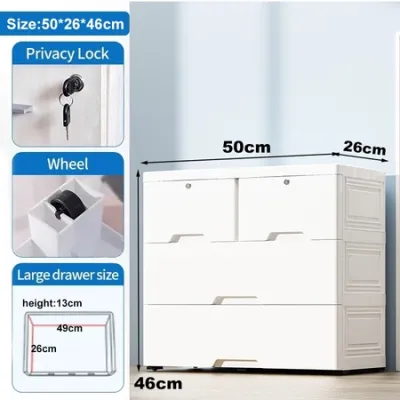
![(JIJI.SG) Modern Storage Drawers [L] & [XL] Cabinet / Cabinets - Plastic Storage Box Drawer / Household / Bedroom Furniture / jt](https://img.lazcdn.com/g/p/86a3a887a1319a62564287336c7aed89.jpg_400x400q80.jpg_.webp)

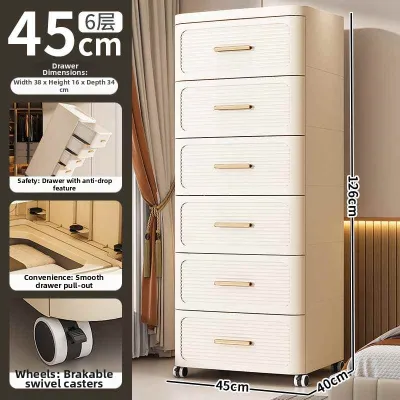
Prices are valid at publication and may change. Please refer to the product page for the latest price.
Next, calculate the horizontal clearance and the required pull-out distance for the drawers. A drawer storage cabinet is only useful if it can open fully, allowing you to reach items stored at the very back. Measure the distance from the edge of your bed frame to the nearest obstacle, such as a wardrobe door, a bedside table, or the bedroom wall. If your bedside clearance is narrow, you may need to opt for multiple smaller modular drawers rather than one long, continuous cabinet unit. This ensures you can fully extend the drawers without hitting other furniture.
Finally, account for architectural details and floor coverings that could obstruct the drawer’s path. Floor skirting boards can reduce the usable width of your under-bed space if the bed is pushed flush against the wall. If you have a thick area rug partially under the bed, it can catch on low-profile casters or cause the drawer to sit unevenly. Take these factors into account by subtracting at least one to two centimeters from your maximum clearance measurements to create a safe buffer zone for smooth operation. This buffer prevents the top of the drawer from scraping against the underside of the bed frame when loaded with heavy items.
Evaluating Drawer Mechanisms and Accessibility
The mechanism that guides your under-bed drawer storage cabinet dictates how easily you can access your belongings on a daily basis. Freestanding roll-out drawers equipped with casters are highly popular due to their versatility and ease of installation. These units sit directly on the floor and can be pulled out completely, allowing you to move the entire cabinet to another part of the room if needed. When choosing caster-based drawers, look for multi-directional wheels that roll smoothly on your specific flooring type, whether it is vinyl, parquet, or ceramic tile. Nylon casters are durable but can scratch soft wood floors like teak parquet, whereas polyurethane or rubber-coated wheels offer a gentler glide.

In contrast, built-in track systems offer a more stable and aligned movement but require a compatible bed frame. These drawers slide along metal or plastic runners mounted directly to the bed frame, keeping them perfectly straight and preventing them from drifting sideways. While track systems keep the drawers off the floor and eliminate the risk of scratching your flooring, they are less flexible and cannot be easily repurposed if you decide to change your bed frame in the future. They also require precise alignment during installation to prevent the tracks from binding.
For tight Singapore bedrooms where space is at a premium, soft-close mechanisms and handle designs play a significant role in usability. Soft-close runners prevent the drawers from slamming shut, which reduces noise in quiet bedrooms and protects your fingers from getting pinched in narrow gaps. Additionally, consider handleless designs or integrated recessed pulls. Traditional protruding handles can snag on bedsheets, stub toes in tight walkways, or require extra clearance that your bedroom layout simply cannot spare. A sleek, flush front panel maximizes the usable walkway space around your bed.
Assessing Materials and Structural Integrity
The durability of an under-bed drawer storage cabinet depends heavily on its material composition and construction quality. Because these cabinets sit close to the floor, they are subject to dust, occasional foot impacts, and the unique challenges of Singapore’s tropical climate. When evaluating options, start by checking the manufacturer’s stated maximum weight capacity. Plan to distribute heavier items, such as winter coats or heavy books, evenly across the drawer base to prevent the bottom panel from bowing or warping over time. Overloading a drawer can cause the entire structure to sag, dragging against your floor.
Inspect the joint construction and the thickness of the drawer bottom. High-quality cabinets typically feature reinforced joints, such as dovetail connections or sturdy cam-lock systems, rather than simple glue-and-nail assembly. The bottom panel of the drawer should be thick and securely slotted into the side walls, rather than loosely stapled to the bottom frame. A sagging drawer bottom will drag on your floor or rug, making the cabinet difficult to open and potentially damaging your flooring over time.
Given the high humidity levels in Singapore, material finishes require careful scrutiny. Solid wood cabinets offer excellent longevity but must be treated with a moisture-resistant sealant to prevent warping or mold growth. Engineered woods, such as medium-density fibreboard (MDF) or plywood, are cost-effective alternatives but must feature high-quality edge banding and protective melamine or polyurethane coatings. Unsealed edges can absorb ambient moisture from the air or during floor mopping, causing the material to swell, crumble, and lose its structural integrity. Look for PVC or ABS edge banding, which provides a tighter seal against moisture.
Building Your Product Shortlist and Purchase Checklist
With your measurements and material preferences in hand, you can begin constructing a structured comparison matrix to evaluate potential purchases. Create a simple checklist detailing the exact dimensions, weight limits, materials, and mechanism types of each drawer storage cabinet you consider. This systematic approach prevents impulsive buying and ensures that any unit you purchase fits your physical space and storage requirements. For instance, you can compare a modular plastic drawer unit costing S$40 against a premium solid wood cabinet priced at S$120, weighing the aesthetic appeal against your budget and functional needs.
When reviewing potential purchases, pay close attention to the retailer’s delivery and assembly policies. Some under-bed cabinets are delivered fully assembled, which can be challenging to maneuver through tight HDB corridors, lift doors, or narrow bedroom entryways. Flat-pack options are easier to transport into your home but require assembly. Check if the retailer offers professional on-site assembly services, and verify whether this service is included in the purchase price or requires an additional fee. If you are assembling the unit yourself, ensure you have the necessary tools and space to work.
Finally, always verify the retailer’s return policy and warranty terms before finalizing your order. Even with meticulous measurements, subtle variations in your bed frame’s structure or floor leveling can cause fitment issues. A flexible return policy that allows for exchanges or refunds within a specific window provides peace of mind. Additionally, look for warranties that cover structural defects, drawer runner failures, or premature warping, ensuring your investment remains protected over years of daily use.
Safe Installation and Maintenance Practices
Proper assembly and regular maintenance are essential to keep your under-bed drawer storage cabinet functioning safely and smoothly. If you choose a flat-pack model, strictly follow the manufacturer’s step-by-step assembly instructions and use only the provided hardware. Avoid using power tools on engineered wood unless specified, as excessive torque can easily strip the pre-drilled holes and weaken the overall structure. Ensure all screws and brackets are tightened securely to maintain the cabinet’s structural alignment and prevent wobbling.
During installation, pay close attention to the alignment of the casters or track runners. If the wheels are misaligned, the drawer will pull out at an angle, which can cause it to bind against the bed frame legs or scratch your flooring. For track-mounted systems, ensure the runners are perfectly level and parallel to prevent uneven wear on the mechanism. If you notice any resistance when sliding the drawer, stop and adjust the alignment immediately rather than forcing it open, which can strip the tracks or damage the drawer glides.
To preserve the longevity of your storage system, establish a simple routine for cleaning and maintenance. Vacuum the floor beneath your bed and around the drawer exteriors regularly to prevent dust bunnies from clogging the casters or tracks. Wipe down the interior and exterior surfaces of the cabinet with a damp cloth and a mild cleaner, ensuring the material is dried completely to prevent moisture buildup. Placing silica gel packs or charcoal dehumidifier bags inside the drawers can help absorb excess moisture and prevent musty odors. Every six months, inspect the hardware and tighten any screws that may have loosened from repeated sliding and pulling.
Frequently Asked Questions (FAQ)
Do under-bed drawers work with all bed frame types?
Under-bed drawer storage cabinets are highly versatile, but their compatibility depends entirely on the design of your bed frame. Standard slatted frames and open-leg wooden or metal bed frames typically offer the best compatibility, provided they have sufficient vertical clearance. However, platform beds that sit flush against the floor or divan bases with solid fabric-wrapped sides do not have any under-bed clearance, making drawer installation impossible.
Additionally, you must inspect your bed frame for structural obstructions. Many queen- and king-sized bed frames feature center support legs or horizontal crossbars designed to distribute mattress weight safely. These structural elements can divide the under-bed space into smaller compartments, blocking long or deep drawers from sliding in. Always measure the clear zones between these support legs to determine the maximum width and depth of the drawers you can install.
How can I prevent dust from accumulating inside the drawers?
Because under-bed storage sits close to the floor, dust accumulation is a common challenge. To protect your stored items, choose drawer storage cabinets that feature fitted lids or fully enclosed tops. If you are using open-top drawers, you can place fabric storage bins, zippered vacuum bags, or clear plastic organizers inside the drawers to create an extra barrier against dust, pests, and moisture.
Regular bedroom maintenance also plays a crucial role in keeping your storage clean. Vacuuming the floor around and beneath your bed frame at least once a week prevents dust from settling on the drawer surfaces. Additionally, lining the bottom of your drawers with removable, washable drawer liners makes it easier to clean the interior during your seasonal deep cleans.

Community discussion
Share your experience or ask a question. Comments are reviewed before publication.