
Finding the right mattress firmness is a critical factor in securing a restful night’s sleep and waking up without physical discomfort. When selecting a YHL mattress, matching the firmness level to your primary sleeping position ensures that your spine remains in a neutral, healthy alignment. Because everyone distributes their body weight differently, understanding how your sleeping posture interacts with different comfort layers is the key to making an informed investment for your bedroom. A mattress that is too soft can cause your body to sag, while one that is too firm can create painful pressure points. By evaluating your sleeping habits and understanding mattress specifications, you can find an ideal balance of comfort and support.
Identify Your Primary Sleeping Position and Support Needs
To find your ideal mattress, you must first identify your dominant sleeping posture. While many people fall asleep in one position, the posture you wake up in is often the most accurate indicator of your primary sleeping style. Keep a simple sleep journal for a few days, noting your position immediately upon waking to confirm whether you spend the majority of the night on your side, back, or stomach. This simple observation can reveal patterns you might not be aware of during deep sleep.
Each sleeping position creates distinct pressure points where the body exerts the most force against the mattress. For side sleepers, these points are concentrated at the shoulders and hips, which require sufficient cushioning to prevent numbness and joint strain. Without proper pressure relief, side sleepers may experience restricted blood circulation, leading to tossing and turning throughout the night.
Products mentioned in this guide

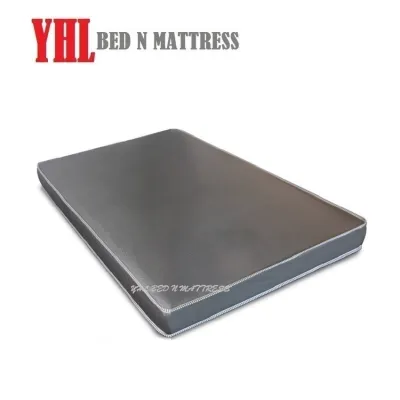
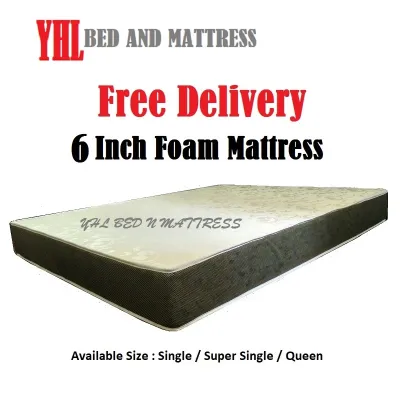
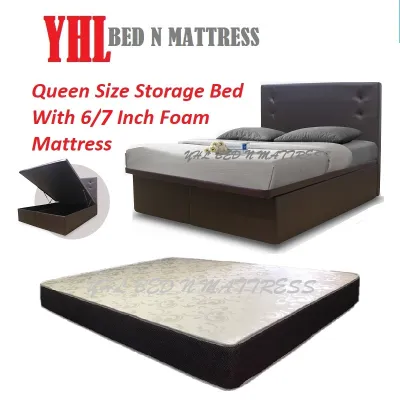
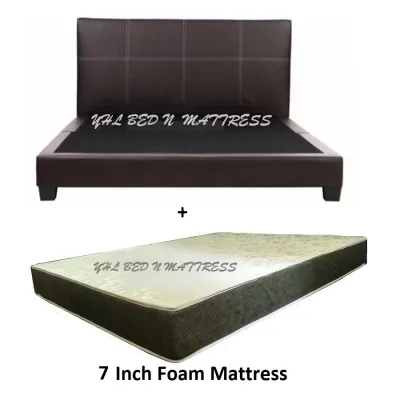
Prices are valid at publication and may change. Please refer to the product page for the latest price.
Back sleepers distribute their weight more evenly across the surface, but they require targeted support under the lower back to maintain the spine’s natural lumbar curve. If a mattress fails to support this gap, the lower back muscles must work to keep the spine aligned, resulting in morning stiffness.
Stomach sleepers face a different challenge, as gravity naturally pulls the midsection downward into the mattress. If the mattress is too soft, the pelvis sinks too deep, forcing the lower back into an unnatural arch that can strain the lumbar region and neck.
If you frequently rotate between multiple positions throughout the night, you are a combination sleeper. Combination sleepers require a highly responsive mattress that facilitates easy movement while offering a balanced, medium feel that accommodates both side cushioning and back support.
Match Mattress Firmness to Your Sleeping Style
Once you have identified your primary sleeping posture, you can map it to a general firmness category. Mattress firmness is typically rated on a scale from 1 to 10, with 1 being extremely soft and 10 being exceptionally firm. Understanding where your sleeping style fits on this scale simplifies the shopping process.

Side sleepers generally achieve the best spinal alignment on a medium-soft to medium mattress, usually falling between 4 and 6 on the firmness scale. This level of give allows the shoulders and hips to sink just enough so that the spine remains straight, preventing the neck and lower back from twisting out of alignment. It also helps cushion the delicate joints from the hard support core of the mattress.
Back sleepers typically require a medium to medium-firm surface, ranging from 6 to 7 on the scale. This firmness level provides a stable foundation that prevents the hips from sagging too deeply while still offering enough surface contouring to fill the gap beneath the lumbar spine. It strikes a balance between surface comfort and deep structural support.
Stomach sleepers need a firm to extra-firm mattress, generally rated between 7 and 9. A rigid surface keeps the hips and pelvis elevated on the same plane as the shoulders, protecting the lower back from hyperextension and reducing muscle tension along the spine. This prevents the sagging effect that often plagues stomach sleepers on soft beds.
For combination sleepers, a true medium mattress (around 5 to 6) is often the most practical compromise. It offers enough surface plushness for side sleeping while retaining the core structural support needed when rolling onto the back. Look for materials with quick response times to make turning over effortless.
Evaluate YHL Mattress Options and Specifications
When browsing YHL mattresses, it is essential to verify how the manufacturer defines and labels their firmness levels. Because firmness ratings are not universally standardized across all brands, you should carefully examine the official product specifications, labels, and product descriptions provided by YHL or authorized local distributors. What one brand calls “medium” might feel like a “firm” to another, making direct specification checks crucial.
Beyond the stated firmness number, the internal construction of the mattress heavily influences how firm or soft it actually feels. For instance, a YHL mattress utilizing pocketed spring coils will offer a more responsive, bouncy support system that keeps you positioned on top of the bed. This construction is excellent for ease of movement and airflow.
In contrast, a model featuring thick layers of memory foam or latex will provide more deep-tissue contouring and pressure relief. This can make a medium mattress feel slightly softer and more enveloping than a spring-based counterpart of the same rating. Understanding these material differences helps you predict how the mattress will perform under your body weight.
Because comfort is highly subjective, you should always verify the retail terms before finalizing your purchase. Check if the seller offers an in-home trial period or a clear exchange policy that allows you to swap the mattress if the firmness does not suit your body after a few weeks of use. If a trial is not available, visit a local showroom to perform a physical test; lie down in your primary sleeping position for at least ten to fifteen minutes to let your muscles fully relax and assess the true support level.
Adjusting for Body Weight and Personal Preferences
Your body weight plays a critical role in how you perceive mattress firmness, as heavier and lighter individuals compress comfort layers differently. A mattress that feels suitably medium to one person may feel incredibly firm or excessively soft to another. Adjusting your firmness choice based on your weight ensures you get the intended level of support.
Lighter individuals (typically under 60 kg) exert less downward force on the mattress. Consequently, they may find that standard medium-firm mattresses do not compress enough to relieve pressure, making a softer model necessary to achieve proper contouring and comfort.
Conversely, heavier individuals (typically over 90 kg) require a firmer mattress to prevent deep sinkage. A firmer support core ensures that the heavier parts of the body, such as the hips, do not sag through the comfort layers and compromise spinal alignment. It also extends the lifespan of the mattress by preventing premature sagging.
If you share a bed with a partner who has a different sleeping style or body weight, finding a single firmness level can be challenging. In these scenarios, look for dual-firmness options, such as split mattresses, or opt for a highly adaptable medium-firm mattress that can be customized on either side with targeted mattress toppers to satisfy both sleepers.
Frequently Asked Questions (FAQ)
Can I change the firmness of my YHL mattress after buying it?
If your new mattress feels slightly too firm or too soft, you can make temporary adjustments using a mattress topper. A plush memory foam or latex topper can soften a rigid surface, while a firm high-density foam topper can add a layer of stable support. For a permanent solution, check the retailer’s exchange policy or the manufacturer’s warranty terms to see if you qualify for a comfort exchange within the initial trial period.
Is a firm mattress always better for back pain?
There is a common misconception that an extra-firm mattress is the only cure for back pain. In reality, an overly rigid mattress can create painful pressure points at the shoulders and hips, forcing the spine out of its natural curve. A medium-firm mattress is generally recommended for general back support, but individual comfort and specific medical advice should guide your final choice.

Community discussion
Share your experience or ask a question. Comments are reviewed before publication.