
Matching a wooden round stool to your dining room aesthetic requires evaluating your existing furniture’s lines, wood tones, and overall design language. By identifying whether your space leans toward minimalist, retro, cozy, or utilitarian design, you can select a stool style—such as Scandinavian, mid-century modern, rustic, or industrial—that either seamlessly blends with your decor or serves as a deliberate, stylish accent.
In modern apartments and open-plan homes, the dining area often serves multiple purposes, from quick morning coffees to evening work sessions. Introducing a wooden round stool is an excellent way to add flexible seating without cluttering the room. However, because these stools are highly visible, choosing a style that complements your established design theme is essential for maintaining a cohesive and inviting atmosphere.
How to Audit Your Dining Room's Existing Aesthetic
Before browsing for new seating, take a close look at your dining table and the surrounding space. The dominant lines of your existing furniture set the structural tone for any new additions. If your dining table features sharp, rectangular edges and clean metal legs, introducing a round stool can soften the visual landscape. Conversely, if your room is filled with curved, organic shapes, a stool with rounded legs and a soft seat profile will naturally echo those forms.
Products mentioned in this guide
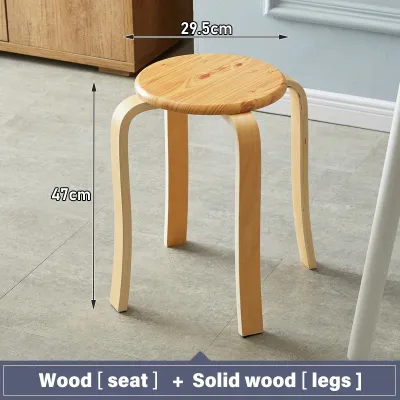
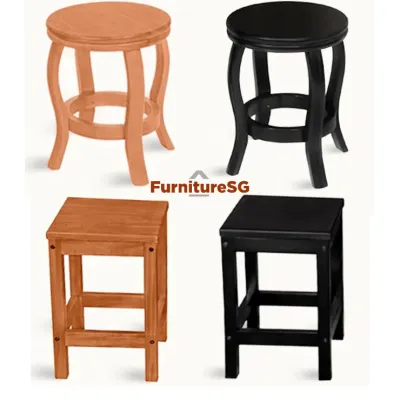
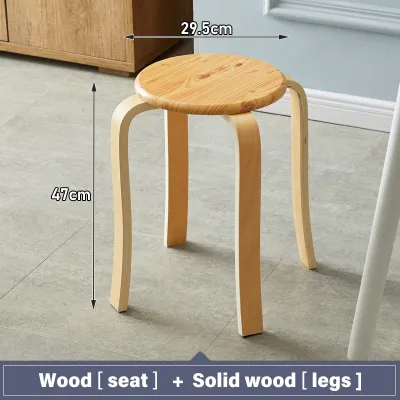
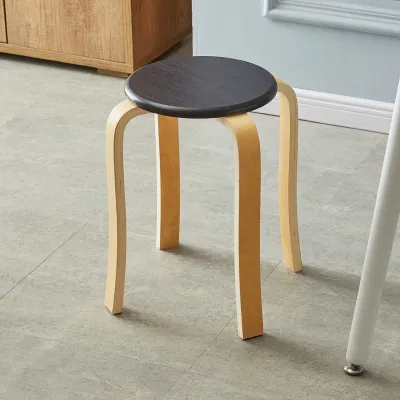
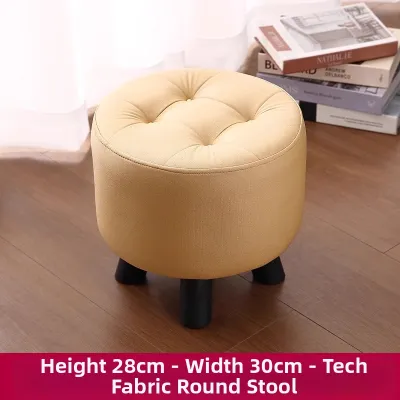
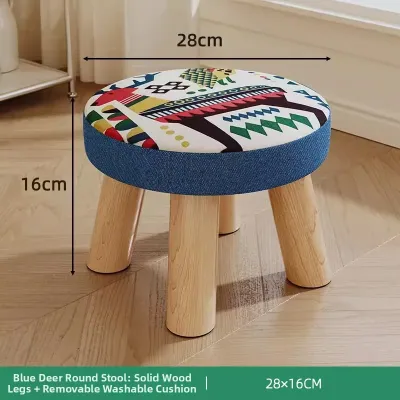
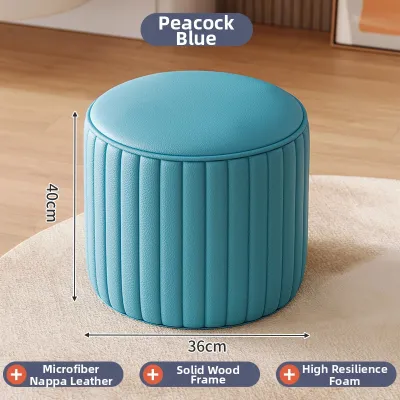
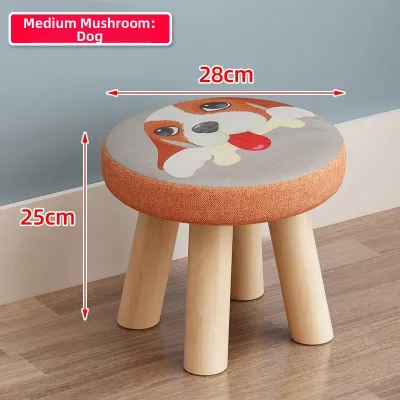
Prices are valid at publication and may change. Please refer to the product page for the latest price.
Next, catalog the wood species and finishes already present in the room. Mixing wood tones is entirely possible, but it requires intention. Look at your flooring, cabinetry, and dining table to determine if your space is dominated by cool, pale undertones like ash or white oak, or warm, rich tones like teak and walnut. Matching the undertone—even if the darkness of the wood varies—helps maintain a cohesive look rather than a mismatched appearance.
Finally, take note of the secondary materials and textures in your dining area. A room filled with matte black light fixtures, exposed metal shelving, or concrete-look countertops has a different tactile profile than one with soft linen curtains, brass accents, and polished marble. Your new wooden round stools should either echo these textures or provide a balanced contrast that feels intentional rather than accidental.
Aligning Wooden Round Stool Styles with Your Decor
Once you understand your dining room’s visual DNA, you can explore specific design styles. Wooden round stools are highly versatile, but different styles utilize distinct shapes, finishes, and structural details to convey a specific mood. Whether you want your seating to disappear quietly into a minimalist background or stand out as a focal point, aligning the stool’s design traits with your established aesthetic is key.

Scandinavian Style
Scandinavian wooden round stools are defined by their pale wood finishes, such as beech, ash, or light oak, and their clean, unadorned silhouettes. These stools prioritize functional simplicity, featuring straight or slightly flared legs without decorative carvings or heavy ornamentation. The focus remains entirely on the natural beauty of the wood grain and the efficiency of the design.
This style is exceptionally well-suited for bright, airy dining spaces that embrace neutral color palettes, soft whites, and ample natural light. In compact dining nooks, the light footprint of a Scandinavian stool helps keep the area looking spacious and uncluttered. It pairs beautifully with minimalist dining tables and simple, modern decor.
Mid-Century Modern Style
Mid-century modern stools are easily recognized by their tapered legs, gently curved seats, and warm, medium-to-dark wood tones like teak, walnut, or cherry. This style masterfully balances vintage charm with clean, functional lines, often showcasing organic shapes that mimic forms found in nature. The legs are frequently angled outward, giving the stool a dynamic, energetic stance.
If your dining room features retro-inspired sideboards, bold accent walls, or an eclectic mix of vintage and contemporary furniture, a mid-century modern stool is an ideal match. The rich, warm wood tones add depth and character to the space, while the iconic tapered silhouette provides a nostalgic yet sophisticated touch that complements bold color schemes and geometric patterns.
Rustic Style
Rustic wooden round stools celebrate the raw, unpolished beauty of natural timber. They typically feature highly visible wood grains, knots, and distressed or reclaimed finishes that highlight the unique history of the wood. Built with a sturdy, substantial frame, these stools feel grounded, durable, and deeply connected to traditional craftsmanship.
This style thrives in farmhouse-inspired, traditional, or cozy dining rooms that welcome natural imperfections. If your dining space incorporates earthy color palettes, matte finishes, and natural textiles like linen or jute, a rustic stool will enhance that warm, inviting atmosphere. The solid construction and textured surface of the wood bring a tactile, grounded feel to family dining areas.
Industrial Style
Industrial wooden round stools are characterized by their striking combination of raw or dark wood seats and robust metal frames. This style often incorporates functional hardware, such as exposed rivets, metal stretchers, or adjustable threaded metal rods that allow the seat height to be spun up or down. The design is unapologetically utilitarian, focusing on structural strength and durability.
These stools are a perfect fit for urban apartments, loft-style dining areas, or spaces featuring architectural elements like exposed concrete, brickwork, or matte black metal fixtures. The contrast between the warm wood seat and the cool, dark metal frame adds an edgy, modern vibe to the dining room. Additionally, the metal bases are highly resilient, making them excellent for high-traffic dining zones.
Essential Space and Maintenance Checks Before You Buy
Before finalizing your purchase based on style alone, it is crucial to perform practical checks to ensure the stools fit your physical space and lifestyle. First, verify the seat height against your dining table or kitchen counter. Standard dining tables require a seat height of approximately 45 cm to 48 cm, leaving a comfortable clearance of 25 cm to 30 cm between the top of the seat and the underside of the table. Always check the manufacturer’s exact specifications to ensure adequate legroom.
Next, evaluate the floor footprint of the stool. Round stools are highly valued for their space-saving qualities, but some designs feature wide, splayed legs that extend past the diameter of the seat. Measure your dining area to confirm whether the stools can be fully tucked under the table when not in use, keeping walkways clear. If you have a compact dining room, look for stackable wooden round stools that can be easily stored in a corner when extra floor space is needed.
Finally, consider the maintenance requirements of the wood finish in relation to your daily routine. Dining areas are prone to spills, condensation from cold drinks, and food crumbs. Review the manufacturer’s care instructions to see if the wood is sealed with a water-resistant polyurethane coat, a natural oil, or a wax finish. In humid climates, ensuring the wood is properly sealed helps prevent moisture absorption and warping, making daily wipe-downs with a damp cloth simple and safe for the furniture.
Frequently Asked Questions (FAQ)
Can I mix different wooden stool styles in one dining room?
Yes, mixing styles can create a curated, designer look if done intentionally. To keep the space from feeling chaotic, maintain at least one unifying element across all your stools, such as matching the wood undertone or ensuring they all share a consistent seat height. You should also balance the visual weight of the stools; for example, pairing a heavy rustic stool with a delicate, spindly mid-century stool might look unbalanced, so aim for similar visual proportions.
How do I protect wooden round stools from dining spills?
Protecting your stools starts with checking the product label or manufacturer instructions for recommended care. For daily protection, establish a routine of wiping up spills immediately with a soft, dry, or slightly damp microfiber cloth to prevent liquid from penetrating the wood grain. Avoid using harsh chemical cleaners, bleach, or abrasive scrubs, as these can strip away the protective topcoat and leave the wood vulnerable to staining and moisture damage.

Community discussion
Share your experience or ask a question. Comments are reviewed before publication.