
Finding the ideal wooden corner shelf in Singapore requires balancing spatial efficiency, material durability, and structural safety. Because Singaporean homes—ranging from compact HDB flats to modern condominiums—often feature specific architectural layouts like prominent skirting boards, concrete structural walls, and limited floor areas, maximizing every corner is a practical necessity. The best wooden corner shelf is not simply the most expensive or visually striking option; rather, it is the one that matches your specific wall type, fits perfectly within your room’s physical dimensions, and features a protective finish capable of withstanding the local tropical humidity. By focusing on observable construction details, precise measurements, and realistic load capacities, you can select a durable piece of furniture that enhances both your storage capacity and your interior design.
Key Factors for Evaluating Wooden Corner Shelves
In Singapore’s tropical climate, humidity levels often fluctuate significantly between air-conditioned indoor spaces and natural ventilation. When evaluating wooden corner shelves, relying solely on the name of the wood species—such as oak, teak, or engineered wood—is insufficient. Instead, you must verify the surface treatments and factory-applied sealants used on the product. Look for shelves finished with polyurethane coatings, water-resistant lacquers, or specialized wood oils that create a protective barrier against moisture absorption. Unsealed or poorly finished wood can absorb ambient moisture, leading to swelling, warping, or mold growth over time. Inspect the underside and edges of the shelves, as these areas are frequently left unfinished by manufacturers to save costs, leaving the wood vulnerable to environmental damage.
The structural integrity of a corner shelf depends heavily on its joint construction and overall stability. For free-standing corner units, examine how the shelves are joined to the vertical supports. High-quality wooden shelves typically utilize dowel joints, mortise-and-tenon joinery, or reinforced metal-to-metal cam lock systems rather than simple wood screws or staples. If you are opting for a wall-mounted or floating corner shelf, the design of the bracket system is paramount. Look for heavy-duty steel brackets or concealed internal support rods that insert deep into the shelf body. A sturdy joint structure ensures that the shelf remains level and does not sag under weight, preventing items from sliding off the edges.
Products mentioned in this guide
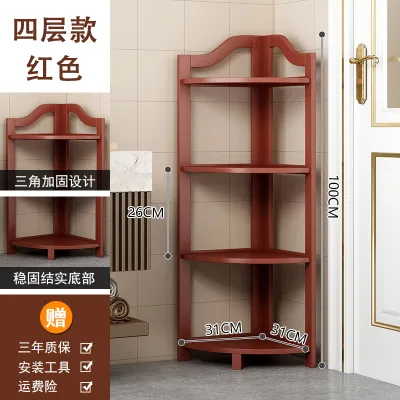
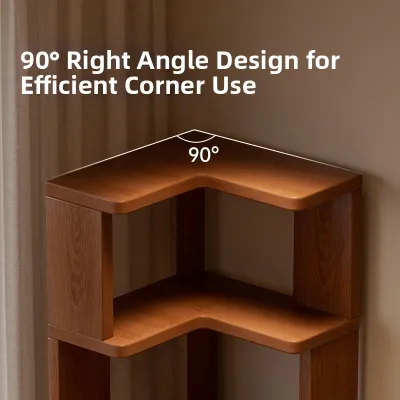
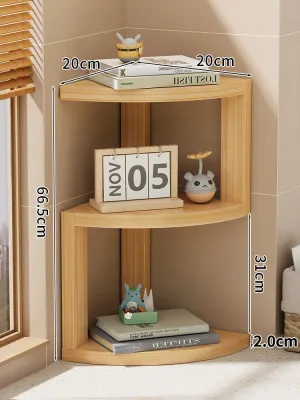
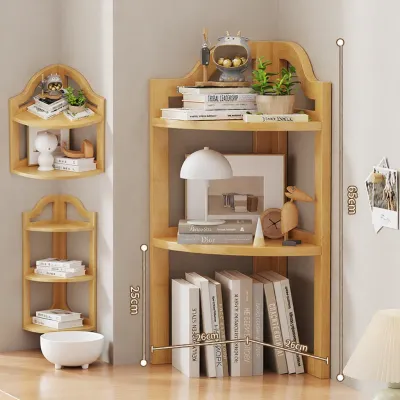
Prices are valid at publication and may change. Please refer to the product page for the latest price.
Every manufacturer should specify a maximum load capacity for their shelving units, and these limits must be verified before purchase. When planning to store heavy items like books, ceramic planters, or kitchen appliances, ensure the shelf’s rated capacity exceeds your intended load by a safe margin. Keep in mind that load capacity is highly dependent on proper installation and weight distribution. Even a solid wood shelf can fail if the wall anchors are weak or if the weight is concentrated entirely on the outer edge. For multi-tiered units, look for designs that distribute weight evenly down to the floor or across multiple wall anchoring points to minimize structural stress.
Beyond weight capacity, the physical dimensions of the shelves must align with the items you intend to store. Standard novels, large art books, decorative vases, and storage baskets all require different vertical clearances and shelf depths. Measure the height and depth of your largest items and compare them against the manufacturer’s detailed product specifications. Some corner shelves feature fixed heights, while others offer adjustable shelving options that allow you to customize the vertical spacing. Additionally, consider the usable surface area of a corner shelf; because of their triangular or L-shaped design, the actual depth near the outer edge is often much wider than the narrow corner point, which can restrict the placement of rectangular storage boxes.
Popular Corner Shelf Styles and Configurations
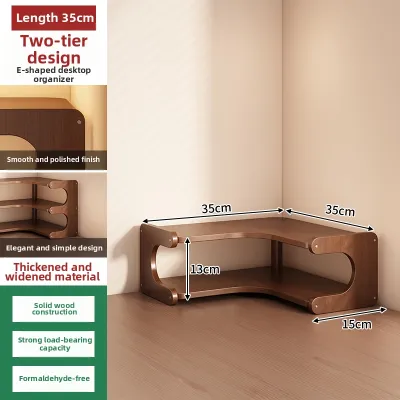
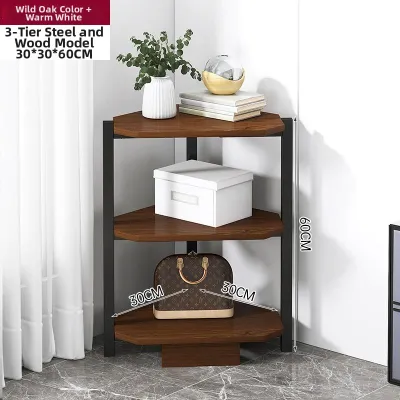
L-shaped and triangular corner shelves are the most common configurations designed to fit flush against intersecting walls. Triangular units are particularly effective for tight corners, as they utilize the deepest part of the angle while presenting a clean, diagonal front edge that minimizes protrusion into the room. However, the triangular shape can limit the storage of rectangular items like books or storage bins. L-shaped corner shelves, on the other hand, extend along both walls, providing a larger, more versatile surface area that accommodates standard rectangular items more easily. When choosing between these two, consider whether your primary goal is to maximize storage volume or to keep the floor area as open as possible.

Tiered and ladder-style corner shelves offer a freestanding alternative that adds visual interest and varied storage heights to a room. These units typically feature a wider base that gradually tapers toward the top, creating a stable structure that does not rely solely on wall mounting for support. Ladder shelves are excellent for displaying a mix of books, potted plants, and decorative objects, as the varying shelf depths allow you to place larger, heavier items at the bottom and lighter, smaller items at the top. This configuration naturally maintains a low center of gravity, which enhances the overall stability of the unit. Many tiered models also include integrated back panels or side lips to prevent items from falling behind the shelf into the corner gap.
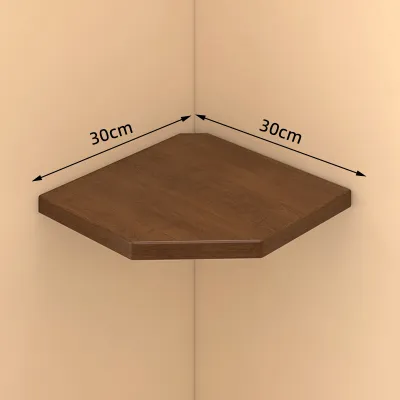
Floating corner shelves are highly favored in minimalist and modern interior designs due to their clean lines and lack of visible support structures. By eliminating vertical legs and bulky brackets, floating shelves create an illusion of spaciousness, making them ideal for small bedrooms, entryways, or bathrooms. However, because they rely entirely on internal wall anchors, floating shelves generally have lower load-bearing capacities compared to freestanding or traditionally bracketed units. They are best suited for displaying lightweight decorative items, small framed photos, or single books. When selecting floating wooden shelves, pay close attention to the mounting hardware provided and ensure your walls can support the cantilevered weight.
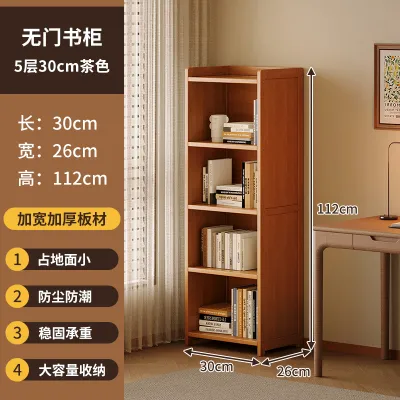
The choice of shelf configuration should also align with the specific function of the room. For instance, a study or home office in Singapore might benefit most from a sturdy, L-shaped wooden bookcase that can handle the weight of heavy reference manuals and files. In contrast, a living room corner might be better served by a stylish ladder shelf that showcases decorative items and indoor plants, adding warmth to the space. For dining areas or kitchens, compact wall-mounted corner shelves can keep frequently used items like spice jars or coffee mugs within easy reach without cluttering the countertops. Assessing how you interact with the space daily will guide you to the most practical configuration.
Space Planning and Pre-Purchase Measurements
Before purchasing any corner shelf, precise measurements of the physical space are essential to avoid costly return fees or installation failures. Do not assume that the corners in your home are perfectly square at a 90-degree angle; minor structural settling or plastering imperfections can create slightly acute or obtuse angles. Use a corner angle finder or a simple cardboard template to check the alignment of your walls. Furthermore, take note of baseboards or skirting boards running along the bottom of the wall. If a freestanding shelf does not have a cutout or recess at the back to accommodate the skirting board, it will be pushed away from the wall, leaving an unsightly gap and compromising the stability of the unit.
For larger, pre-assembled wooden corner units, the delivery pathway is just as important as the final placement spot. In Singapore, many residential buildings rely on passenger lifts that may have strict height and depth limitations. Measure the height, width, and diagonal clearance of your building’s elevator, as well as any tight turns in stairwells, corridors, and entry doorways. If a fully assembled solid wood cabinet cannot clear these spaces, you may need to opt for flat-packed furniture that can be assembled directly inside the room. Always check the packaged dimensions provided by the retailer to ensure the boxes can be safely transported to your unit.
Wall-mounted and floating corner shelves require secure anchoring to prevent them from pulling away from the wall under load. The type of wall in your home dictates the installation method and the hardware required. Most HDB flats and older condominiums in Singapore feature solid concrete or brick walls, which provide excellent structural support but require a hammer drill and masonry wall plugs for installation. Newer developments or partition walls within homes may use drywall or gypsum board, which have significantly lower load capacities and require specialized toggle bolts or hollow-wall anchors. Never attempt to mount a heavy wooden shelf to drywall without locating the underlying timber or metal studs, as the drywall alone cannot support the cantilevered weight of the shelf and its contents.
Another critical aspect of space planning is identifying any wall obstructions such as electrical outlets, light switches, internet ports, or wall-mounted air conditioning units. A tall corner shelf can easily block access to essential power sockets or interfere with the airflow of an air conditioner. Measure the height and distance of these fixtures from the corner before finalizing your purchase. If a shelf must cover an outlet, look for designs with open back panels or integrated cable management cutouts that allow you to route cords safely without pinching them against the wall.
Care and Maintenance for Wood Surfaces
Proper maintenance is key to preserving the natural beauty and structural integrity of wooden corner shelves over time. For routine cleaning, a soft, dry microfiber cloth is usually sufficient to remove dust and prevent buildup. Avoid using abrasive sponges or harsh chemical cleaners, as these can strip away the protective sealant or scratch the wood surface. If a deeper clean is necessary, use a slightly damp cloth with a mild, pH-neutral soap solution, immediately followed by a dry cloth to wipe away any residual moisture. Never allow water to pool on the wood surface, as this can cause water spots, discoloration, or swelling of the wood fibers.
Environmental factors play a significant role in the longevity of wood furniture. Direct exposure to intense sunlight can cause the wood to fade, dry out, and crack over time. Position your corner shelves away from direct sunlight or use window blinds and UV-filtering curtains to protect them. Additionally, avoid placing wooden shelves directly in the path of cold air drafts from air conditioning units or near high-moisture areas like bathrooms or open kitchen stoves. Rapid temperature fluctuations and high humidity can cause the wood to expand and contract repeatedly, leading to joint separation and warping.
Before applying any commercial furniture polishes, waxes, or wood conditioners, always consult the manufacturer’s care label or instruction manual. Different finishes—such as oil, wax, lacquer, or polyurethane—require specific maintenance products. Applying a wax-based polish to a polyurethane-finished shelf, for example, can create a sticky, dust-attracting residue that is difficult to remove. When in doubt, test any new cleaning or conditioning product on a small, inconspicuous area of the shelf, such as the underside of a bottom tier, to ensure it does not discolor or damage the finish.
Frequently Asked Questions (FAQ)
Can wooden corner shelves support heavy books?
Yes, wooden corner shelves can support books, but their capacity depends entirely on the shelf’s construction, material thickness, and mounting method. Solid wood shelves with robust joint structures or reinforced metal brackets are highly capable of holding heavy volumes. To ensure safety, always check the manufacturer’s specified weight limit per shelf and avoid overloading. When organizing your books, place the heaviest volumes on the lowest tiers of freestanding units to maintain a low center of gravity, which prevents the shelf from becoming top-heavy and tipping over. For wall-mounted shelves, ensure the brackets are anchored securely into solid concrete walls or wall studs.
How do I prevent wood shelves from warping in humid conditions?
To prevent wooden shelves from warping in Singapore’s humid climate, it is crucial to maintain consistent indoor ventilation and protect the wood from direct moisture. Ensure your home has adequate airflow, and avoid placing wooden furniture in poorly ventilated, damp corners. If you use air conditioning, avoid positioning the shelf directly under or in front of the unit’s cold air draft, as rapid temperature changes can stress the wood. Most importantly, verify that the shelf has a high-quality, factory-applied sealant, such as a polyurethane or lacquer finish, which acts as a barrier against moisture. Regularly inspect the finish for any signs of wear or peeling.
How do I ensure wall-mounted corner shelves are securely anchored?
Ensuring that wall-mounted corner shelves are securely anchored requires matching the installation hardware to your specific wall material. For solid concrete or brick walls, which are common in Singaporean homes, use a hammer drill to create precise holes, insert high-quality masonry wall plugs, and secure the brackets with heavy-duty screws. If you are installing shelves on drywall or partition walls, you must locate the vertical wall studs using a stud finder and anchor the brackets directly into them. If a stud is not available in the exact corner, use specialized heavy-duty drywall toggle bolts, but keep in mind that the overall load capacity will be significantly lower than a concrete wall installation. For heavy loads or complex installations, consulting a qualified professional installer is highly recommended.

Community discussion
Share your experience or ask a question. Comments are reviewed before publication.