
Choosing a wooden table for your living room requires balancing spatial dimensions, existing furniture styles, and daily functional needs. A wooden coffee table serves as a central anchor in Singaporean living spaces, where layout efficiency and visual harmony are essential. By systematically assessing your room’s physical boundaries, coordinating wood tones, and verifying manufacturer specifications, you can select a piece that is both beautiful and highly practical. This guide provides a step-by-step framework to help you navigate these decisions, ensuring your chosen table fits your lifestyle and enhances your home’s aesthetic.
Assess Your Living Room Space and Layout
Measuring the available floor space is the critical first step in your selection journey. Use a measuring tape to map out the area between your sofa and the television console or opposite seating. In typical apartment layouts, maintaining comfortable walkways is essential to prevent the room from feeling cramped. You want to ensure that the table does not obstruct the natural flow of traffic through the room.
Check the clearance around the proposed table location. You need enough space to walk comfortably without shimmying, and sufficient legroom when seated. If your living room features reclining sofas, chaise lounges, or pull-out sofa beds, factor in their extended dimensions during your measurements. Additionally, measure the seat height of your sofa; a standard coffee table should sit at the same height as your sofa cushions or slightly lower to ensure comfortable access.
Products mentioned in this guide
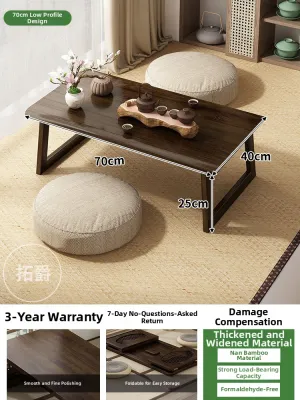
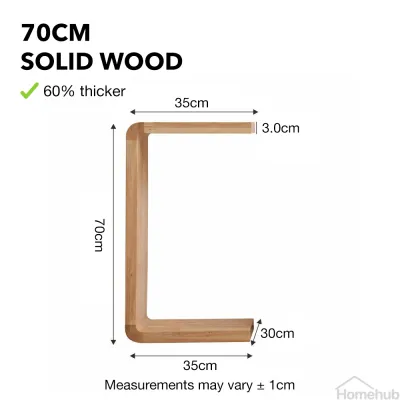
Prices are valid at publication and may change. Please refer to the product page for the latest price.
Evaluate your room’s proportions to determine the most complementary shape. Rectangular tables pair naturally with long, standard sofas, offering balanced access from all seats. Square tables work well with large sectional sofas or L-shaped seating arrangements, filling the central void effectively. If your seating area is compact, a square table can sometimes overwhelm the space, so compare its footprint carefully against your floor plan.
For tighter spaces or high-traffic zones, round or oval wooden tables are excellent alternatives. They eliminate sharp corners, allowing smoother movement around the seating area. A round table can also soften the rigid, linear lines often found in modern apartments, creating a more inviting and organic flow. Consider how the shape interacts with your rug as well, ensuring the table sits comfortably within the rug’s boundaries.
Evaluate Your Existing Furniture and Aesthetic
Your new wooden table should complement, rather than clash with, your existing furniture. Begin by analyzing the dominant wood tones in your living room, such as those on your TV console, bookshelves, or dining set. Look at the undertones—whether they are warm with red and yellow highlights, or cool with gray and muted brown shades. Keeping these undertones consistent helps unify the room.

Examine the leg styles and overall profiles of your current pieces. A room filled with tapered, angled legs suggests a mid-century modern aesthetic, whereas chunky, straight legs lean toward rustic or traditional styles. Matching or intentionally contrasting these structural details creates a cohesive design narrative. If your sofa has delicate metal legs, a wooden table with a matching metal frame can bridge the gap between different materials.
Decide whether you want the wooden table to blend seamlessly into the background or serve as a striking statement piece. A table with a similar finish and height to your seating will create a calm, unified look. Conversely, choosing a contrasting wood tone or a unique architectural base can establish the table as a captivating focal point. This approach works well if the rest of your furniture is relatively neutral.
Consider the visual weight of the table. A solid block wooden table or one with a closed plinth base feels heavy and grounded, which suits spacious, airy rooms with high ceilings. For smaller living areas, a table with slender legs and open space underneath keeps the room feeling light and spacious. This open area also allows light to pass through, making the entire room appear larger than it is.
Identify Your Daily Usage and Functional Needs
How you use your living room daily dictates the ideal structural features of your wooden table. If your household frequently uses the coffee table for casual dining, working on a laptop, or supporting heavy art books, prioritize a sturdy design with a stable base. Check the manufacturer’s specified load capacity to ensure it meets your intended use, especially if you plan to rest heavy items on it regularly.
Household safety is another vital consideration, particularly if you have young children or active pets. Sharp corners can pose a hazard in tight spaces or high-activity zones. In these environments, choosing a wooden table with rounded edges, or opting for a circular or oval design, minimizes the risk of accidental bumps and injuries. Additionally, look for tables with a low center of gravity to prevent tipping if leaned upon.
Do not assume that all wooden tables possess inherent scratch or moisture resistance. Different wood species and surface treatments behave uniquely under daily wear. Review the manufacturer’s care instructions and surface treatment details before purchasing. Some tables feature a polyurethane or lacquer finish that offers basic moisture protection, while others have an oiled finish that requires regular reapplication.
To maintain the appearance of your wooden table, always use coasters, placemats, and trivets to protect the wood from heat, condensation, and scratches. If you anticipate heavy daily use with potential spills, look for tables with durable, easy-to-clean finishes. Understanding these maintenance requirements beforehand ensures you choose a table that fits your willingness to perform regular upkeep.
Match Your Findings to the Right Wooden Table Style
With your spatial measurements, aesthetic preferences, and functional needs clarified, you can now map these criteria to specific wooden table styles. A mid-century modern table, characterized by tapered legs and warm teak or walnut tones, suits compact spaces needing an airy feel. A rustic or farmhouse style, featuring distressed finishes and robust timber construction, fits larger, cozy family rooms where a weathered look is appreciated.
For minimalist or contemporary spaces, look for sleek wooden tables with clean lines, geometric shapes, or integrated metal accents. If storage is a priority, seek out styles that incorporate open lower shelving, hidden drawers, or lift-top mechanisms. Ensure that these storage compartments do not compromise the legroom required for your seating layout or make the table too heavy to move when cleaning.
Before finalizing your purchase, verify the exact finished dimensions of the table against your measured living room layout. Crucially, check the delivery access path. Measure your apartment’s doorway widths, hallway turns, and lift dimensions to ensure the packaged table can be safely transported into your home. Many delivery failures occur because buyers forget to measure the communal lift or narrow entry corridors.
Establish a shortlist of candidates based on verified manufacturer specifications, structural stability, and assembly conditions. Check whether the table arrives fully assembled or requires home assembly. If assembly is required, review the instructions to ensure you have the necessary tools and assistance to secure the joints tightly. Well-secured joints are essential for preventing wobbles and ensuring the long-term durability of your wooden table.
Frequently Asked Questions (FAQ)
How much clearance should I leave between the sofa and the wooden table?
As a general guideline, aim to leave a clearance of approximately 30 to 45 centimeters between the edge of your sofa cushions and the wooden table. This distance provides comfortable legroom while keeping drinks and remote controls within easy reach. If you have a deep sofa or require wider walkways for accessibility, you can adjust this clearance upward, but try not to exceed 50 centimeters to ensure the table remains functional from a seated position.
Can I mix different wood tones in the same living room?
Yes, you can successfully mix different wood tones by focusing on matching their underlying undertones. Keep the undertones consistent—such as pairing warm oak with warm walnut—even if the darkness of the wood varies. To prevent the space from looking chaotic, limit your selection to two or three dominant wood finishes. You can also use an area rug under the wooden table to create a visual buffer, making the transition between different wood tones on the floor and the table legs appear deliberate and harmonious.

Community discussion
Share your experience or ask a question. Comments are reviewed before publication.