
In space-constrained Singapore bedrooms, maximizing every square centimeter is essential for maintaining an organized, stress-free home. Under-bed storage drawers offer an elegant, out-of-sight solution to utilize the often-neglected space beneath your bed frame. However, finding the right storage drawer is not as simple as picking the first option you see online. To make a successful purchase, you must first measure the exact clearance height between the floor and the lowest point of your bed frame, identify the weight and volume of the items you plan to store, and determine whether your room layout allows the drawers to slide out smoothly from the side or the foot of the bed. By taking these initial steps, you can avoid the common frustration of buying storage that is too tall to fit or too deep to open.
Key Dimensions for Selecting an Under-Bed Storage Drawer
Clearance and Depth
Before browsing any online marketplace or visiting a local furniture showroom, you must obtain precise measurements of the void beneath your bed. Start by measuring the vertical clearance from the floor to the lowest edge of the bed frame’s side rails. Do not rely solely on this measurement, as many bed frames feature central support legs, wooden slats, or metal crossbars that hang lower than the outer frame. Measure the clearance at multiple points, especially near the center, to identify the absolute minimum height available. Next, measure the usable depth from the outer edge of the frame to any central obstructions. If your bed has center support legs, your storage drawers can only be as deep as the distance from the side rail to those legs. Finally, factor in the height of any baseboards along your walls. If your bed is pushed flush against a wall, baseboards can prevent the bed frame from sitting completely flat against the wall, which in turn affects how far a drawer can slide underneath without hitting the wall or protruding into the room.
Material and Durability
The material of your under-bed storage drawer directly impacts its longevity, weight capacity, and aesthetic integration with your bedroom decor.
Products mentioned in this guide
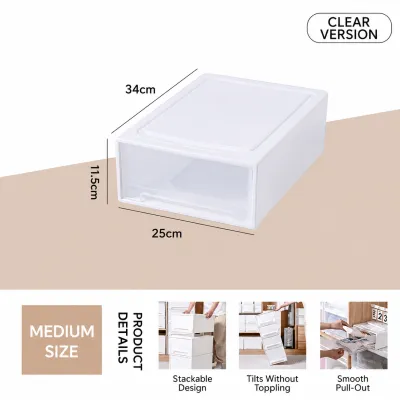


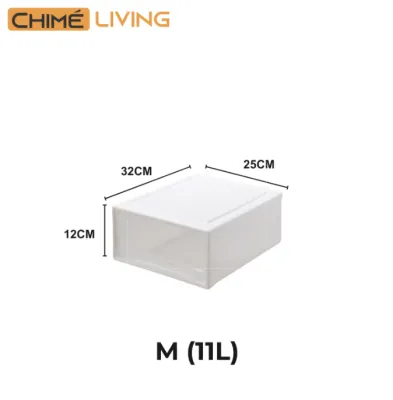
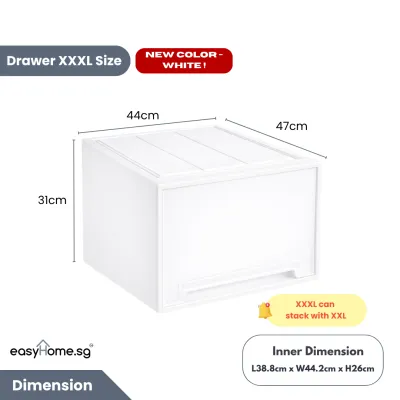
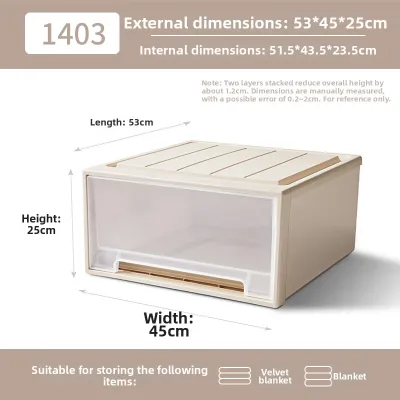
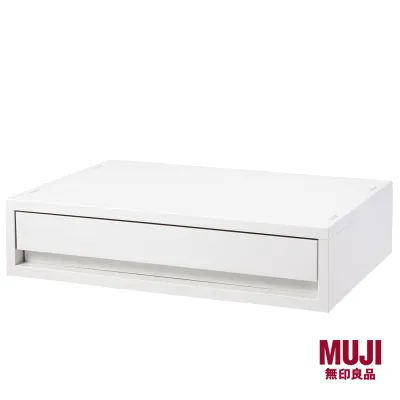
Prices are valid at publication and may change. Please refer to the product page for the latest price.
- Solid Wood: This option offers the highest structural rigidity and weight capacity, making it ideal for storing heavy items like books, winter bedding, or extra mattresses. When evaluating solid wood drawers, check the quality of the joints (such as dovetail construction) and ensure the wood is treated with a smooth, moisture-resistant finish to prevent splinters and warping.
- Engineered Wood (MDF or Particle Board): A more budget-friendly alternative to solid wood, engineered wood drawers often feature laminate or veneer finishes that match modern bed frames. When choosing engineered wood, inspect the edge banding carefully; poorly sealed edges can absorb moisture from the air or floor mopping, leading to swelling and structural degradation over time.
- Fabric and Plastic Bins: These lightweight options are highly flexible and easy to maneuver. Fabric bins often feature internal wire frames or cardboard inserts to maintain their shape. While they are excellent for lightweight items like clothing or soft toys, they lack the structural rigidity of wood and can sag if overloaded. Ensure the fabric is breathable yet tightly woven to keep dust out.
Mobility Mechanisms
How your drawer moves in and out from under the bed determines its daily usability.
- Casters (Wheels): Drawers equipped with casters are highly mobile and ideal for frequent access. Look for multi-directional swivel casters if you need to pull the drawer out and steer it around other furniture. For straight-line movement, fixed inline wheels are often more stable. Ensure the wheel material is compatible with your flooring; soft polyurethane or rubber wheels are preferred for delicate parquet, vinyl, or laminate floors to prevent scratching, while hard plastic wheels are suitable for durable tiled floors.
- Sliding Tracks: Some platform beds feature drawers on metal sliding tracks. These tracks keep the drawers perfectly aligned and prevent them from touching the floor, eliminating the risk of floor scratches. However, they have strict weight limits and require precise installation to prevent jamming.
- Manual Pulls: Simple bins without wheels or tracks rely on manual sliding. These are best reserved for very light items or low-clearance beds where wheels cannot fit. To protect your floors, check if the bottom of the bin is smooth or if you can apply felt pads to reduce friction.
Matching Storage Drawer Types to Your Bedroom Layout
Rolling Drawers with Casters
Rolling drawers are the most versatile aftermarket solution for beds with open under-bed space. They are particularly well-suited for spacious bedrooms with hard flooring, such as polished concrete, ceramic tiles, or luxury vinyl tiles. Because these drawers roll directly on the floor, they can be pulled completely out from under the bed, allowing you to clean the floor underneath or transport the entire drawer to another room. When selecting rolling drawers, check if the wheels have locking mechanisms to prevent the drawer from rolling on its own if your floor is slightly uneven. Also, ensure there is a clear path on the floor, free of rugs or electrical cords, that could obstruct the wheels.

Track-Mounted Drawers
If you prefer a built-in, seamless look, track-mounted drawers are the ideal choice. These are typically sold as part of a matching bed frame or designed as specific add-ons for compatible platform beds. Because they slide on fixed metal runners, they do not touch the floor, making them perfect for bedrooms with thick rugs or delicate flooring. When evaluating track-mounted options, verify the extension limits of the tracks. Some tracks only allow the drawer to open to 75% of its depth, making it difficult to reach items stored at the very back. Additionally, check the weight tolerance of the tracks, as overloading them can cause the runners to bend or derail.
Soft-Sided Fabric Bins
For bedrooms with very low bed frames or tight clearance heights (under 15 cm), soft-sided fabric bins are often the only viable option. These bins are lightweight, flexible, and can squeeze into tight spaces where rigid wooden drawers cannot fit. To maximize their utility, look for fabric bins that feature clear plastic top covers with zippered closures. This design allows you to see the contents at a glance while protecting your clothes, linens, or plush toys from dust and pests. Ensure the handles are heavily reinforced with cross-stitching, as you will need to pull the bin manually across the floor, which creates friction.
Divided or Compartmentalized Drawers
If you plan to use your under-bed storage for smaller items like socks, underwear, accessories, or children’s toys, standard open drawers can quickly become cluttered. Divided or compartmentalized drawers feature built-in partitions or removable organizers that keep your items neatly separated. This prevents your belongings from shifting and sliding to the back of the drawer every time you pull it open or push it closed. When choosing compartmentalized options, look for adjustable dividers that allow you to customize the compartment sizes based on your changing storage needs.
Pre-Purchase Checks for Space and Clearance
Delivery and Assembly Pathways
In Singapore, where many residents live in high-rise HDB flats, executive condominiums, or private apartments, navigating tight common areas is a crucial consideration. Before finalizing your purchase, check the packaged dimensions of the storage drawers. Ensure the boxes can easily fit into your building’s passenger lift, clear narrow corridor corners, and pass through your apartment’s front door and bedroom doorways. If you are purchasing large, pre-assembled wooden drawers, measure your bedroom entry clearance carefully. If the pathway is too tight, look for flat-packed options that can be assembled directly inside your bedroom.
Swing and Pull Clearance
A common mistake is measuring the space under the bed but forgetting to measure the space around the bed. To operate your under-bed drawers comfortably, you must have adequate clearance to pull them out fully. Measure the distance from the edge of your bed frame to the nearest obstacle, such as a wardrobe door, a study desk, a bedside table, or the opposite wall. For example, if your storage drawer is 60 cm deep, you will need at least 75 to 80 cm of clear floor space. This extra space ensures you can fully extend the drawer and still have room to stand or kneel comfortably in front of it while retrieving your items. If your bedside table blocks the top section of the bed, consider using shorter drawers or placing them only near the foot of the bed.
Ventilation and Cleaning
Maintaining a clean and healthy sleeping environment requires proper air circulation and regular cleaning. When under-bed storage drawers fit too tightly against the underside of the bed, they can block airflow, creating a stagnant pocket of air where dust and moisture can accumulate. Aim to leave a gap of at least 2 to 3 cm between the top of the drawer and the bottom of the bed slats. Furthermore, consider how you will clean the floor. If you use a robot vacuum, check if the clearance around the drawers allows the vacuum to navigate, or if you will need to manually slide the drawers out every time you sweep and mop. Regular floor cleaning beneath the bed is essential to prevent dust mites and allergens from building up.
Frequently Asked Questions (FAQ)
Can I use under-bed storage drawers on a carpeted floor?
Yes, you can use under-bed storage drawers on carpeted floors, but you must select the right type to avoid excessive friction. Standard small plastic casters tend to sink into carpet pile, making the drawer incredibly heavy and difficult to pull out. If you have wall-to-wall carpeting or a large area rug under your bed, look for drawers equipped with large, wide-diameter wheels that can roll over carpet fibers more easily. Alternatively, you can place a low-profile plastic floor mat under the bed to create a smooth rolling surface. For lightweight storage, soft-sided fabric bins with smooth plastic bottoms can sometimes slide across low-pile carpets with less resistance than wheeled drawers, though they still require more physical effort than rolling on hard floors.
How do I prevent mold in under-bed storage in a humid climate?
Singapore’s tropical climate and high relative humidity create an environment where mold and mildew can thrive, especially in dark, enclosed spaces like under-bed storage. To protect your belongings, never store items that are damp, unwashed, or heavily soiled, as organic matter and moisture accelerate mold growth. Always place disposable moisture absorbers or reusable silica gel packets inside each drawer, and replace or reactivate them regularly. Avoid pushing your bed frame completely flush against external walls that are prone to temperature fluctuations or rain exposure, as this can cause condensation to form on the back of the drawers. On dry, sunny days, pull the drawers out fully and open your bedroom windows to allow fresh air to circulate through the storage space.
Are built-in bed frame drawers better than standalone under-bed storage?
Deciding between built-in bed frame drawers and standalone under-bed storage depends on your budget, aesthetic preferences, and long-term housing plans. Built-in drawers offer a highly polished, seamless look that utilizes the entire footprint of the bed frame efficiently, preventing dust from accumulating in hard-to-reach gaps. However, they are a permanent fixture, require a higher initial financial investment, and make the bed frame significantly heavier and harder to move. Standalone rolling drawers, on the other hand, offer excellent flexibility and a lower initial cost. They can be easily removed, replaced, or repurposed in another room if your storage needs change. For renters or those who plan to rearrange their bedroom layout in the future, standalone drawers are generally the more practical and adaptable choice.

Community discussion
Share your experience or ask a question. Comments are reviewed before publication.