
Finding extra storage space in a compact home often leads directly to the unused real estate beneath your bed. However, sliding just any container under your bed frame can result in damaged items, scratched floors, or inaccessible belongings. The ideal under-bed drawer is not a one-size-fits-all solution; it is a precise match between what you need to store—be it heavy winter coats, delicate leather handbags, or daily-use shoes—and the physical design, material, and mobility of the organizer. By evaluating your item characteristics alongside your room’s specific environmental conditions, you can maximize your floor plan while keeping your belongings pristine and easily accessible.
Assess Your Bed Clearance and Access Frequency
Before purchasing any under-bed organizer, you must establish the physical boundaries of your storage zone. Start by measuring the vertical clearance height from the floor to the lowest point of the bed frame. Do not simply measure to the side rail; check the center support beam, wooden slats, or protruding metal brackets, as these often sit lower than the outer frame. Measure this height in multiple spots to account for uneven floors. Next, measure the available depth from the edge of the bed to the center support legs or to the opposite side if you plan to access the space from both directions. Finally, measure the width between the bed legs to ensure your chosen drawer can slide out without hitting the frame.
Your retrieval habits will dictate whether you need a highly mobile drawer or a simple protective container. For items you need daily or weekly, such as work shoes, activewear, or extra bedsheets, prioritize easy-glide mechanisms like smooth-rolling wheels or low-friction runners. If you are storing long-term seasonal items like heavy winter wear or guest bedding, maximum capacity and dust protection take precedence over quick retrieval. In these cases, a stationary, high-capacity box that fits snugly under the bed is often more practical than a wheel-mounted drawer that trades storage volume for mobility.
Products mentioned in this guide
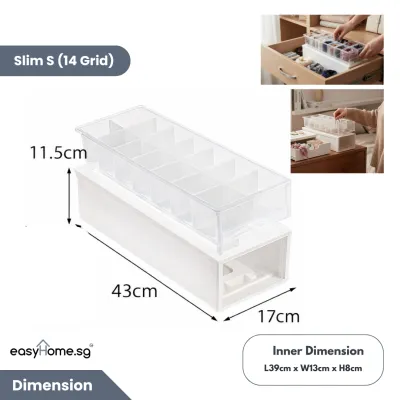
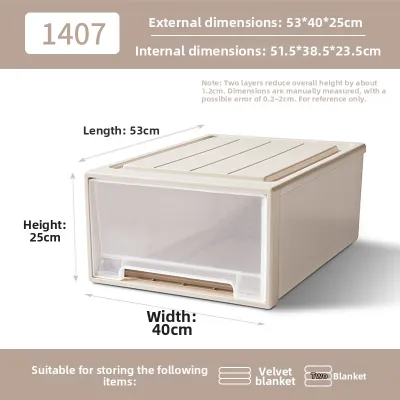
Prices are valid at publication and may change. Please refer to the product page for the latest price.
The flooring material in your bedroom plays a critical role in how easily a drawer operates. Hardwood, vinyl, and smooth ceramic tiles are ideal for wheeled drawers, but they are also susceptible to scratches from cheap, hard plastic wheels. If you have hard floors, look for wheels made of soft rubber or polyurethane, or drawers with protective felt pads. Conversely, thick carpets create high friction, causing small wheels to sink and stall. For carpeted rooms, stationary drawers with smooth, wide plastic bases or specialized carpet glides are far easier to slide than wheeled alternatives.
Match Drawer Styles to Specific Storage Items
The physical properties of your stored items—their weight, structural rigidity, and vulnerability to environmental factors—should directly dictate the structure of your under-bed drawer. Soft, compressible items require different support systems than heavy, rigid, or delicate objects. Choosing a drawer style that complements these physical traits prevents damage to your belongings and ensures the drawer remains functional over years of use.

Seasonal Clothing and Bulky Bedding
Soft goods like comforters, extra pillows, and seasonal clothing are highly compressible but vulnerable to dust and ambient humidity. For these items, fabric drawers with secure zippered closures or tight-fitting lids are highly recommended. Fabric offers a degree of breathability that prevents stale odors, while a complete zipper seal keeps out dust mites and airborne particles. Look for fabric drawers reinforced with sturdy internal cardboard or plastic panels to keep the sides from bulging when packed with fluffy duvets.
To maintain the condition of your garments, opt for flat, wide drawer designs. These layouts allow you to lay sweaters, coats, and linens flat or in neat vertical folds, reducing deep creases that can damage delicate fibers over time. Avoid stuffing soft goods into drawers that are too shallow, as forcing the zipper closed can snag the fabric or damage the slider.
In humid climates like Singapore, moisture control is a critical consideration for textile storage. Before purchasing fabric drawers, check the manufacturer’s product specifications for moisture-resistant treatments, such as water-repellent outer coatings or specialized interior linings. Even with protective treatments, always ensure your clothing and bedding are completely dry before packing them away, and consider adding moisture-absorbing packets to protect against mildew.
Shoes, Bags, and Small Accessories
Structured items like leather shoes, structured handbags, and small fashion accessories require organizational systems that prevent them from shifting, scratching, or losing their shape. For these belongings, divided drawers or clear plastic bins with adjustable internal compartments are the gold standard. Without dividers, opening and closing the drawer causes items to slide around, leading to scuffed leather, tangled straps, and disorganized clutter.
A flat, shallow drawer layout with modular dividers allows you to customize the compartment sizes to fit different shoe lengths or bag widths. This prevents shoes from being crushed under their own weight and keeps delicate bags upright. When choosing dividers, look for soft, fabric-covered inserts for delicate accessories, or rigid plastic dividers for heavier shoes.
Transparent or semi-transparent plastic drawers offer a massive practical advantage for accessory storage. They allow you to identify the exact pair of shoes or handbag you need at a glance without having to pull out and open multiple containers. This visual accessibility saves time during busy mornings and prevents you from disrupting the organization of other drawers.
Heavy, Odd-Shaped, or Frequently Used Items
Storing heavy items like books, fitness equipment, or bulky kids’ toys under the bed requires specialized structural support and mobility features. For these heavy loads, wheeled drawers are essential. Attempting to slide a heavy, wheel-less container across the floor can damage your flooring, strain your back, and eventually break the container’s handles or base. Wheeled drawers distribute the weight evenly, allowing you to roll heavy items out with minimal effort.
Sturdy plastic or solid wood constructions are the best choices for weight-bearing storage. Before buying, verify the manufacturer’s stated weight limit on the product packaging or retailer listing to ensure it can support your intended items. Look for reinforced bases and robust corner joints that can withstand the stress of repeated pulling and pushing.
Avoid using soft, unstructured fabric drawers for heavy, sharp-edged, or irregularly shaped items. Heavy objects will cause the fabric base to sag, dragging against the floor and tearing the material. Sharp corners on books, toy boxes, or equipment can easily puncture fabric walls, rendering the drawer useless and potentially scratching the floor underneath.
Compare Materials and Features for Your Room Environment
Choosing between plastic and fabric under-bed drawers requires balancing physical protection, ease of maintenance, and room aesthetics. Plastic drawers provide a rigid, protective shell that shields items from physical crushing and spills. They are highly stackable, making them excellent if you have generous vertical clearance under your bed. Additionally, plastic is incredibly easy to clean; a quick wipe with a damp cloth is all it takes to remove dust. Fabric drawers, on the other hand, are lightweight, often collapsible for easy storage when not in use, and have soft edges that will not scratch your bed frame or surrounding furniture.
Dust and moisture protection are paramount, especially in humid tropical climates where mold spores thrive. Look for drawers with secure, overlapping lids, rubber gasket seals, or robust zippers. While fabric drawers offer breathability, they must have high-quality, tight-fitting closures to prevent humid air and dust from settling on your textiles. Plastic bins with latching lids provide an airtight or near-airtight seal, which is highly effective at keeping moisture out, though you should still inspect the contents periodically.
Mobility features must be matched to your specific flooring and usage patterns. Multi-directional caster wheels offer excellent maneuverability for deep beds, allowing you to pull the drawer out from various angles. However, on sloped or uneven floors, free-rolling wheels can cause the drawer to drift or roll out on its own. To prevent this, look for wheeled drawers equipped with wheel locks or stoppers. If your bed sits on a thick carpet, opt for stationary drawers with wide, smooth runner bases or specialized carpet glides that distribute weight and slide smoothly without sinking.
Pre-Purchase Measurement and Fit Checklist
To ensure your chosen under-bed drawer functions flawlessly, perform a thorough pre-purchase verification check. Start by comparing the drawer’s maximum exterior dimensions—including wheels, handles, and lid latches—against your measured bed clearance. Always leave a safety margin of at least two to three centimeters in height and width. This margin ensures you can easily grip the handle and pull the drawer out without scraping your knuckles against the bed frame or dragging the drawer lid against the slats.
Do not assume the exterior dimensions represent the actual storage capacity. Thick plastic walls, recessed wheel wells, and internal dividers can significantly reduce the usable interior space. Check the manufacturer’s listed interior dimensions to confirm that your specific items, such as extra-large comforters or tall boots, will actually fit inside without being crushed.
Finally, review the assembly requirements, care instructions, and return policies on the product label or retailer page before finalizing your purchase. Some wooden or metal wheeled drawers require extensive assembly with specialized tools, while fabric and simple plastic bins are usually ready to use out of the box. If you are purchasing large, solid wood, or pre-assembled drawer units, verify that the packaged dimensions can safely pass through your home’s doorways, hallways, and lift access. Understanding the care instructions—such as whether the fabric can be spot-cleaned or if the plastic is sensitive to harsh chemical cleaners—will help you maintain the drawer’s appearance and durability for years to come.
Frequently Asked Questions (FAQ)
Can I use under-bed drawers on a carpeted floor?
Yes, but you must select the right drawer design to avoid high friction. Standard small plastic wheels tend to sink into thick carpet piles, making the drawer heavy and difficult to pull. For carpeted floors, choose stationary drawers with wide, smooth plastic bases that glide easily over fibers, or look for drawers equipped with large, wide carpet-friendly casters. If you must use a wheeled drawer for heavy items on a carpet, placing a thin, rigid plastic runner or low-profile mat along the drawer’s path can provide a smooth rolling surface.
How do I prevent mold in under-bed fabric drawers?
Preventing mold in fabric drawers requires keeping both the storage environment and your items completely dry. Never store clothing, bedding, or towels that are damp from washing or high humidity. Place moisture-absorbing desiccant packs, silica gel sachets, or hanging dehumidifiers inside the drawers, replacing them regularly according to the manufacturer’s guidelines. Finally, make it a habit to pull the drawers out completely once a month to let air circulate beneath the bed, and inspect the fabric walls for any early signs of dampness or mildew.

Community discussion
Share your experience or ask a question. Comments are reviewed before publication.