
Choosing the right Tempur mattress firmness requires balancing your primary sleeping position with your body weight to ensure proper spinal alignment and pressure relief. Because Tempur’s proprietary material is highly sensitive to temperature and pressure, the way a mattress feels depends heavily on how much force you exert on it and the ambient temperature of your bedroom. By matching your physical profile and sleep habits to the brand’s soft, medium, or firm options, you can select a model that contours to your body without causing you to sink too deeply or rest on an overly rigid surface.
Investing in a high-quality tempur bed is a significant decision for your sleep comfort and home environment. In Singapore, where humid weather often leads to the frequent use of air conditioning, understanding how these specialized materials behave in different environments is key to making an informed purchase. Taking the time to analyze your sleeping habits and physical characteristics will help you narrow down the options and find a mattress that provides lasting support.
Understanding the Tempur Firmness Spectrum
Tempur mattresses are categorized into distinct feel levels, typically ranging from soft to medium and firm. Unlike traditional spring mattresses that rely solely on mechanical resistance, Tempur material is a high-density viscoelastic foam. This material responds dynamically to both body heat and weight. When you lie down, the foam softens in response to your body warmth, contouring to your unique shape and distributing your weight across the surface.
Products mentioned in this guide

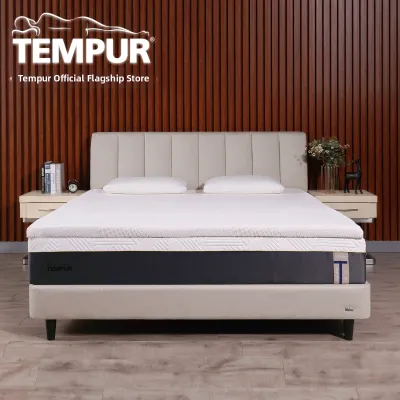
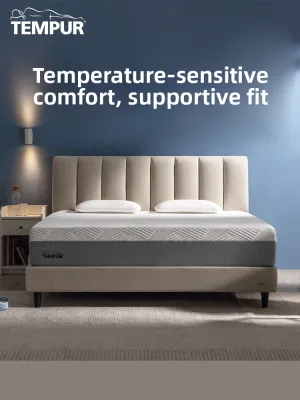

Prices are valid at publication and may change. Please refer to the product page for the latest price.
Because of this unique material behavior, the perceived firmness of a tempur bed can change depending on your environment. It is essential to check the manufacturer’s specific product labels and current model specifications, as different collections may alter the baseline feel. For example, some models incorporate cooling covers or hybrid spring-and-foam designs that modify how quickly the mattress responds to your body. Always verify the exact specifications of the model you are considering at an authorized showroom to ensure it aligns with your expectations.
Diagnosing Your Dominant Sleep Position
Your primary sleeping posture dictates where your body exerts the most pressure on a mattress. Side sleepers typically require a mattress that offers deep pressure relief. When lying on your side, your shoulders and hips protrude, creating concentrated pressure points. A mattress that is too firm can restrict circulation and cause joint discomfort, whereas a softer option allows these key areas to sink in just enough to keep the spine straight and level.

Back sleepers need a balanced surface that provides targeted lumbar support. The mattress must contour to the natural curve of the lower spine without letting the pelvis sink too deeply into the foam. A medium or medium-firm feel often works well for back sleepers, maintaining a neutral posture while cushioning the shoulder blades and buttocks. This balance helps prevent muscle tension in the lower back during long periods of rest.
Stomach sleepers face the greatest risk of spinal misalignment. If a mattress is too soft, the hips sink into the foam, arching the lower back uncomfortably. To prevent this hyperextension, stomach sleepers generally require a firmer surface that keeps the torso and pelvis on a relatively level plane. This firmness ensures that the spine remains in a neutral position throughout the night.
For combination sleepers who shift positions frequently, finding the right balance involves trade-offs. A medium-firm mattress or a hybrid model that incorporates responsive micro-coils alongside Tempur material can facilitate easier movement. This design prevents that “stuck” sensation, allowing you to turn over easily while still offering adequate contouring in various positions.
Evaluating How Body Weight Affects Mattress Feel
Body weight is the primary force that activates the viscoelastic properties of a tempur bed. Lighter individuals (typically under 60 kg) exert less downward force on the mattress. On a firm model, a lighter sleeper may not generate enough pressure or body heat to sink into the comfort layers, making the bed feel excessively hard and reducing the contouring benefits. For these sleepers, softer or medium-soft models are often necessary to experience proper pressure relief.
Sleepers with an average build (between 60 kg and 90 kg) generally experience a balanced interaction with medium firmness options. They apply sufficient weight to engage the comfort layers while remaining supported by the denser base layers underneath. This allows for a harmonious blend of cushioning and structural support, making medium models a versatile choice for many households.
Heavier individuals (over 90 kg) exert substantial pressure on the foam. On a mattress that is too soft, they risk sinking completely through the comfort layers and bottoming out against the firm support core, which can lead to discomfort and spinal misalignment. Firmer models or specialized collections with higher density foam are crucial to distribute this weight evenly and maintain structural integrity over time.
Before finalizing your purchase, always check the manufacturer’s weight limits and structural support guidelines. Ensure your bed frame or divan base is rated to support both the substantial weight of a Tempur mattress and the sleepers using it. Inadequate support from below can compromise the mattress’s performance, accelerate wear, and potentially void the warranty.
Matching Your Profile to the Ideal Firmness Level
To narrow down your choices, you can use a decision framework that cross-references your sleeping position with your body weight. For instance, a lightweight side sleeper will almost always find the most suitable comfort on a soft model, whereas a heavier stomach sleeper will require a firm model to maintain spinal alignment. This intersection helps eliminate unsuitable options early in your search.
When your profile falls into conflicting categories—such as a heavier side sleeper or a lightweight stomach sleeper—you must carefully balance pressure relief against structural support. A heavier side sleeper needs deep contouring for the shoulders but cannot afford to sink so deep that the spine sags; a medium-firm or specialized medium model with a supportive transition layer is often a practical compromise. Conversely, a lightweight stomach sleeper might find a standard firm mattress too rigid, making a medium mattress a more suitable option that still prevents hip sinkage.
In some cases, specific physical conditions or unique weight distributions must take priority. If you experience chronic lower back discomfort, prioritizing spinal alignment over temporary plush comfort is essential. Similarly, if you carry more weight around your midsection, you will require a firmer support core to prevent the pelvis from dipping, regardless of your preferred sleeping position.
Testing and Verifying Your Choice Before Buying
Because a tempur bed represents a significant long-term investment, thorough verification is essential before making a purchase. When testing mattresses in a showroom, avoid the temptation to simply sit on the edge or lie down for a few seconds. Spend at least 15 to 20 minutes resting in your actual, dominant sleeping position. This allows your body heat to transfer to the material, giving you a realistic sense of how the foam contours and supports you over time.
It is also vital to review the sleep trial terms and return conditions offered by authorized retailers. Viscoelastic foam requires a break-in period, during which the cells open up and become more responsive. This process can take several weeks, and your body may also need time to adjust to the new alignment. Understanding the return or exchange window ensures you are protected if the chosen firmness does not suit you after extended home use.
Finally, consult authorized furniture retailers to verify current model availability, delivery logistics, and warranty coverage. Ensure that the delivery team can navigate your home’s entryways, lifts, and stairwells, as these high-density mattresses are heavy and require proper handling to avoid structural damage during installation. Confirming these details beforehand prevents unexpected issues on delivery day.
Frequently Asked Questions (FAQ)
Does a Tempur Mattress Feel Different in Air-Conditioned Rooms?
Yes, the viscoelastic material used in a tempur bed is highly temperature-sensitive. In a cool, air-conditioned bedroom—common in Singapore’s tropical climate—the foam cells contract, making the mattress feel noticeably firmer when you first lie down. As the material absorbs your body heat, it gradually softens and contours to your shape. To ensure optimal comfort, you can adjust your room’s climate control or allow the mattress a few minutes to acclimate to your body warmth before assessing its true firmness and support.

Community discussion
Share your experience or ask a question. Comments are reviewed before publication.