
Choosing the right tatami mattress (榻榻米) firmness is a crucial decision that directly impacts your sleep quality, spinal health, and overall physical recovery. Unlike conventional Western mattresses that rely on thick spring systems or deep memory foam layers, tatami-style bedding is rooted in a minimalist, low-profile design philosophy. Achieving the perfect balance of comfort and support requires understanding how your preferred sleeping position interacts with the unique structural properties of these traditional and modern Japanese-style beds. By aligning your physical needs with the correct materials and density, you can enjoy the space-saving benefits of a tatami setup without compromising on restorative sleep.
In modern urban living environments, such as compact apartments where multi-functional rooms are highly valued, the tatami mattress has become an increasingly popular choice. It offers a clean, uncluttered aesthetic and can be easily folded or rolled away to reclaim floor space during the day. However, transitioning to a firmer sleep surface can be a challenge if you do not select the appropriate firmness level for your body type. A mattress that is too hard can cause painful pressure points, while one that is too soft can lead to spinal sagging and chronic back pain. Navigating this selection process involves evaluating material specifications, understanding your body’s mechanics, and considering the environment in which the mattress will be used.
Understanding Tatami Mattress Firmness
To choose the right tatami mattress, it is essential to understand how its firmness differs from standard Western beds. Traditional tatami mats are made from tightly woven rush grass (igusa) with a compressed rice straw core, creating an exceptionally rigid, flat surface that offers virtually no sinkage. Modern tatami mattresses, often referred to as futons or hybrid mats, adapt this traditional concept by incorporating contemporary cushioning materials. These modern variations combine the flat, stable support of a traditional mat with layers of high-density foam, natural latex, or compressed cotton to provide a more forgiving surface for modern sleepers.
Products mentioned in this guide

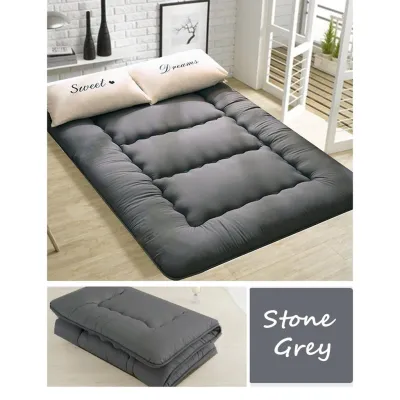
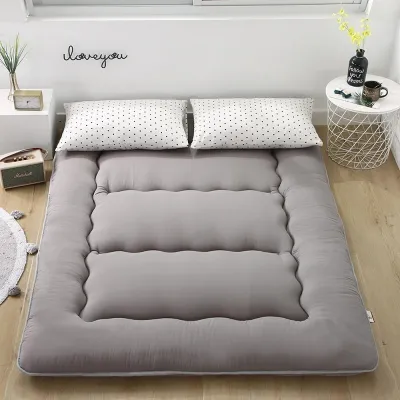


Prices are valid at publication and may change. Please refer to the product page for the latest price.
When evaluating these mattresses, you must distinguish between surface feel and deep structural support. The surface feel is the initial sensation of softness or hardness when you first lie down, which is determined by the top comfort layers or the quilted cover. Deep structural support, on the other hand, refers to the mattress’s ability to hold your spine in neutral alignment and prevent your heaviest body parts from sinking too deep. A high-quality tatami mattress should offer a comfortable surface layer that cushions your joints while maintaining a solid, unyielding core that prevents bottoming out.
Because firmness ratings like “medium” or “firm” are highly subjective and vary between manufacturers, you should cross-reference these labels with objective material specifications. Look closely at the density of the foam layers, typically measured in kilograms per cubic meter (kg/m³), and the overall thickness of the mattress. A higher density indicates a more supportive and durable core that will resist sagging over time. Additionally, the thickness of the mattress—ranging from thin 5-centimeter travel mats to substantial 15-centimeter hybrid models—will greatly influence how much of the underlying floor or bed base you feel when lying down.
Matching Firmness to Your Primary Sleeping Position
Your dominant sleeping position is the most critical factor in determining the ideal firmness level for your tatami mattress. Throughout the night, your body exerts pressure on the mattress surface in specific areas, and the mattress must respond by providing targeted support to keep your spine straight. Failing to match mattress firmness to your posture can lead to poor blood circulation, muscle tension, and chronic joint discomfort.

Different sleeping postures require distinct levels of pressure relief and structural rigidity. For example, areas with prominent bones, such as the shoulders and hips, require sufficient cushioning to prevent localized pressure build-up. Conversely, flatter areas of the body require a more stable, unyielding surface to prevent the natural curves of the spine from collapsing. By understanding these mechanical requirements, you can select a tatami mattress that accommodates your body’s natural shape.
If a sleep surface is excessively firm for your specific position, your body weight will be concentrated on a few small contact points rather than being distributed evenly. This concentration of pressure can compress blood vessels and irritate nerves, causing you to wake up with numbness or stiffness. On the other hand, an overly soft mattress will allow your midsection to sink, pulling your spine out of alignment and straining the muscles and ligaments in your lower back.
Side Sleepers
Side sleeping is the most common posture, but it is also the most demanding when it comes to pressure relief. When you sleep on your side, your entire body weight is concentrated on the narrow areas of your shoulder and hip. To maintain a straight spine, these two areas must be allowed to sink slightly into the mattress, while the waist and neck remain supported.
For this reason, side sleepers generally require a softer, thicker hybrid tatami mattress rather than a traditional, ultra-firm rush grass mat. A rigid surface will compress the shoulder and hip joints, leading to morning stiffness, joint pain, and poor circulation. A hybrid mattress that features a supportive core topped with a generous comfort layer of natural latex or memory foam provides the necessary contouring to cradle these prominent joints while keeping the spine aligned.
When shopping, side sleepers should carefully inspect the product specifications for comfort layer thickness and material composition. Look for a tatami mattress with a dedicated comfort layer of at least 5 to 8 centimeters. Materials like natural latex or high-resilience foam are excellent choices, as they offer responsive contouring that relieves pressure without making you feel stuck in the mattress.
Back and Stomach Sleepers
Back and stomach sleepers have very different structural needs compared to side sleepers, requiring a much firmer and more stable surface. When sleeping on your back, the mattress must support the natural curve of your lower back while keeping your hips and shoulders on a level plane. For stomach sleepers, the priority is preventing the pelvis from sinking into the mattress, which can arch the lower back unnaturally and cause severe strain.
Traditional, firmer tatami setups are highly beneficial for these sleeping positions. The flat, rigid surface of a classic rush grass mat or a dense cotton futon provides the unyielding support needed to keep the pelvis and torso perfectly aligned. This prevents the heavy midsection of the body from sagging, ensuring that the muscles along the spine can fully relax during the night.
However, back and stomach sleepers must still ensure the mattress has adequate overall thickness to prevent feeling the hard floor or bed base beneath. A mattress that is too thin may compress completely under your hips, causing you to feel the rigid floor directly, which can lead to discomfort over time. Selecting a high-density mattress with a thickness of at least 8 to 10 centimeters will provide the necessary buffer while maintaining the firm support your posture requires.
Adjusting for Body Weight and Physical Needs
Your body weight plays a significant role in how you perceive the firmness of a tatami mattress. A mattress that feels perfectly medium-firm to one person may feel incredibly hard to a lighter individual or overly soft to a heavier person. Understanding this relationship is key to selecting a mattress that delivers the intended level of support.
Heavier individuals exert more force on the mattress, causing them to compress the comfort layers much more deeply. If a tatami mattress has a low-density core or thin comfort layers, a heavier sleeper will quickly sink through these layers and bottom out against the hard floor or bed frame. To prevent this, individuals with larger frames should look for high-density foam cores (ideally above 30 kg/m³) or thicker, multi-layered hybrid tatami mattresses that offer progressive resistance and long-term durability.
Conversely, lighter individuals exert very little force on the mattress surface and may not compress firm materials enough to experience any contouring. For a lighter sleeper, a traditional, ultra-firm tatami mat can feel like sleeping on a solid wooden board, leading to discomfort in the shoulders and hips. Lighter individuals should opt for a tatami mattress with a softer, more responsive comfort layer, such as a plush cotton futon or a low-density foam hybrid, to ensure adequate pressure relief.
Rather than relying solely on generic firmness labels like “extra firm” or “soft,” always check the manufacturer’s weight recommendations and density specifications. High-quality manufacturers often provide guidelines indicating the maximum weight capacity their mattresses can support without losing structural integrity. Choosing a mattress designed to handle your specific weight range ensures that the materials will perform as intended and resist premature sagging.
Evaluating Core Materials and Base Compatibility
The internal construction of a tatami mattress determines its performance, breathability, and how it interacts with your sleeping environment. Traditional tatami mattresses rely on natural materials like compressed cotton, wool, and woven rush grass. These materials offer excellent breathability, a natural grassy aroma, and a classic, firm feel, though they require regular maintenance and tend to pack down and become firmer over time.
Modern tatami mattresses often incorporate advanced materials like high-resilience polyurethane foam, memory foam, or natural latex. High-resilience foam provides excellent bounce and durability, making it easy to roll over, while memory foam offers deep pressure relief by contouring closely to your body shape. Natural latex is highly breathable, hypoallergenic, and offers a responsive, springy feel that prevents you from sinking too deeply, making it an ideal compromise for those who want both support and pressure relief.
The surface on which you place your tatami mattress also significantly alters its perceived firmness and breathability. Placing a tatami mattress directly on a solid wooden platform or a tiled floor will make the mattress feel noticeably firmer because there is no flex or give underneath. If you prefer a slightly softer feel, placing the mattress on a flexible slatted bed frame can introduce a subtle amount of springiness while dramatically improving airflow beneath the bed.
In warm, humid climates, proper ventilation is critical when choosing where to place your mattress. Placing a tatami mattress directly on a non-breathable floor, such as tile or laminate, traps body heat and moisture underneath. Without regular airflow, this trapped moisture can quickly lead to mold, mildew, and unpleasant odors. To prevent this, ensure your setup allows for adequate ventilation, or commit to a strict maintenance routine of lifting and airing out your mattress.
Testing, Breaking In, and Modifying Your Setup
When you receive a new tatami mattress, keep in mind that there is always a transition period for both your body and the mattress materials. Natural fibers like cotton and modern foams often require a few weeks of regular use to settle and reach their true, stable firmness level. During this break-in period, the mattress may feel slightly firmer than expected.
To properly evaluate your new mattress, establish a consistent testing routine. Spend at least 15 to 20 minutes lying on the mattress in your primary sleeping position, paying close attention to how your shoulders, hips, and lower back feel. Observe whether you can roll over easily without straining your core muscles, as a mattress that is too soft will make changing positions difficult, while one that is too firm will cause you to toss and turn frequently.
Before finalizing your purchase, always review the retailer’s return policy and sleep trial terms. A comprehensive sleep trial allows you to test the mattress in the comfort of your home for several weeks, giving your body ample time to adjust to the new support profile. If you find that the firmness is not a perfect match after the trial period, a flexible exchange policy will allow you to swap it for a more suitable model.
If your mattress is slightly too firm or too soft but you cannot return it, you can make safe, reversible adjustments to modify your setup. If the mattress feels too firm, adding a separate, high-quality mattress topper made of natural latex or soft wool can provide the perfect amount of surface cushioning without compromising the deep support of the tatami core. If the mattress feels too soft, placing a rigid tatami board or a solid bunkie board underneath can instantly increase the overall firmness and stability of your bed.
Frequently Asked Questions (FAQ)
Can I use a tatami mattress directly on the floor?
Yes, placing a tatami mattress directly on the floor is a traditional and highly effective way to set up your sleeping space. This arrangement provides a very stable, firm foundation that is excellent for spinal alignment, and it allows you to easily fold or roll the mattress away to maximize floor space during the day.
However, floor placement requires diligent moisture management, especially in humid environments. Because air cannot circulate beneath a mattress resting directly on the floor, body heat and sweat can become trapped, leading to mold and mildew. To maintain a hygienic sleep environment, you should lift the mattress and prop it up in a well-ventilated area or under direct sunlight at least once a week, and regularly vacuum the floor underneath.
How do I know if my tatami mattress is too firm?
The most common sign that your tatami mattress is too firm is waking up with localized pain, stiffness, or numbness in your joints. If you sleep on your side and consistently experience aching shoulders or sore hips in the morning, the mattress surface is likely too rigid to allow these pressure points to sink in properly.
Another indicator is frequent tossing and turning throughout the night, as your body naturally shifts positions to relieve restricted blood circulation caused by excessive surface hardness. Before making any permanent changes, allow a break-in period of two to three weeks for both your body and the mattress materials to adjust, as new mattresses will naturally soften slightly with regular use.

Community discussion
Share your experience or ask a question. Comments are reviewed before publication.