
Choosing the right table leg riser requires matching the physical shape of your table legs with the riser’s cup dimensions while ensuring the combined weight of the table and its contents does not exceed the riser’s rated load capacity. A mismatched riser can lead to unstable furniture, damaged floors, or sudden structural failure. By systematically measuring your table legs, calculating the total weight distribution, and selecting stable materials, you can safely elevate your dining table, desk, or work surface to a comfortable, ergonomic height.
Assess Your Table's Weight and Load Requirements
Before purchasing any furniture accessories, you must determine the total weight that the risers will need to support. This calculation starts with the base weight of the table itself. Heavy solid wood dining tables, common in many Singapore homes, can easily weigh upwards of 40 to 80 kilograms, while metal-framed study desks or engineered wood worktops are generally lighter but still substantial.
To find the true load requirement, you must add the maximum expected weight of everything placed on top of the table. For a dining table, account for heavy ceramic tableware, serving platters, and decorative centerpieces. For a home office desk, calculate the combined weight of computer monitors, desktop towers, books, and any desk-mounted monitor arms that concentrate force on specific areas.
Products mentioned in this guide
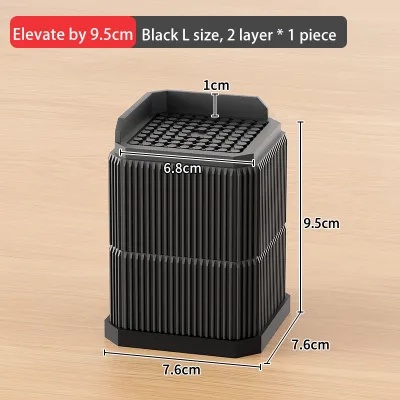
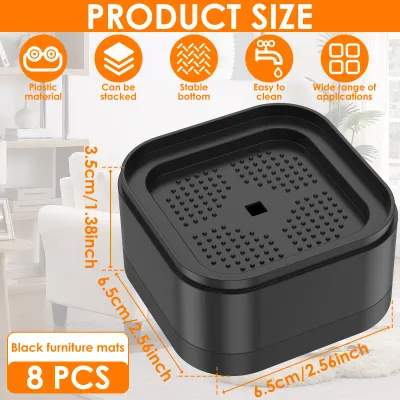
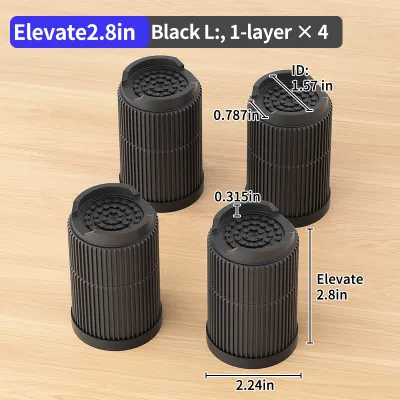
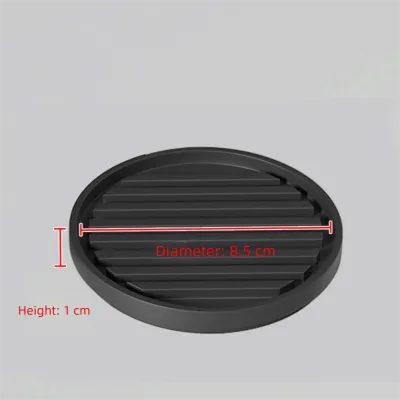
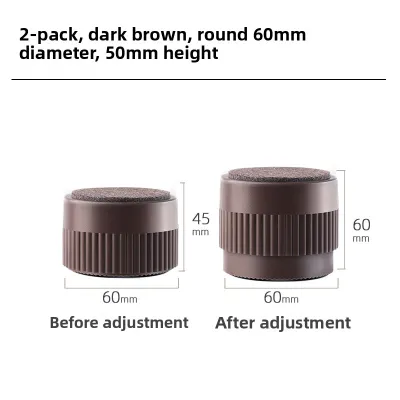
![[SG] 4PCS Adjustable Increase Table Height Foot Pad Furniture Legs Heightening Bed Washing Machine Raiser](https://img.lazcdn.com/g/p/666f1b33c6223679f081148eb8d67da7.jpg_400x400q80.jpg_.webp)
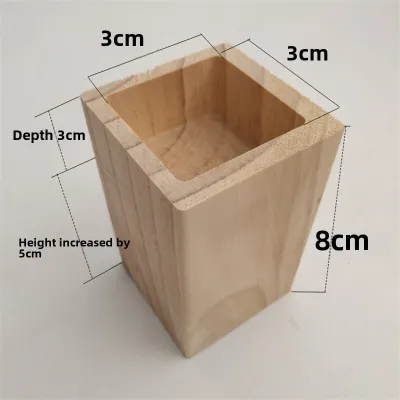
![[SG] Adjustable Furniture Cabinet Leg Furniture Heightening Bracket Heavy Duty Coffee Table Leg Bracket](https://img.lazcdn.com/g/p/3729c53ddb687bb093d3475996b3c0d2.jpg_400x400q80.jpg_.webp)
Prices are valid at publication and may change. Please refer to the product page for the latest price.
Once you have an estimated total weight, check the manufacturer’s specifications for both your table frame and the prospective risers. It is crucial to look for certified load limits rather than guessing. If a table is rated for a maximum capacity, raising it can alter its center of gravity, making adherence to these limits even more critical for safety.
To find the minimum load rating required for each individual riser, divide the total estimated weight (table weight plus maximum load) by the number of legs. For a standard four-legged table, a total weight of 100 kilograms means each riser must safely support at least 25 kilograms of continuous vertical pressure. Always choose risers with a load capacity that exceeds this minimum calculation to provide a safe buffer for unexpected downward pressure, such as someone leaning heavily on the table edge.
Measure Table Leg Dimensions and Shape
A secure fit is essential to prevent the table from slipping out of the risers during use. Begin by measuring the exact physical profile of your table legs at the very bottom, where they will rest inside the riser cup. Do not rely on measurements taken higher up the leg, as many table designs taper or flare toward the base.

For round legs, use a caliper or a flexible measuring tape to find the exact diameter of the bottom surface. For square or rectangular legs, measure both the width and the depth. Write these measurements down precisely in millimeters to ensure you do not select a riser cup that is too narrow or excessively loose.
Matching the leg shape to the corresponding riser cup shape is vital for maintaining structural stability. Placing a square leg into a round riser cup, or vice versa, often results in uneven pressure distribution and shifting. A proper match ensures the flat bottom of the leg makes full contact with the flat interior base of the riser.
You must also account for any existing hardware attached to the bottom of the table legs. Decorative metal caps, plastic glides, or pre-installed casters can alter the effective footprint of the leg. If these attachments cannot be easily removed, measure the widest point of the attachment rather than the wooden leg itself to ensure the entire assembly fits completely inside the riser cup.
Evaluate Riser Cup Design and Material Stability
When evaluating different riser options on an online marketplace or at a local home improvement store, focus on structural rigidity and verified load ratings. Material names alone, such as heavy-duty plastic, wood, or carbon steel, do not guarantee durability if the wall thickness is insufficient or the joints are weak.
Look for risers that feature a deep recessed cup rather than a shallow indentation. A deeper cup provides higher side walls that physically prevent the table leg from sliding out when the table is bumped or pushed. Some designs also include internal ridges or textured non-slip rubber inserts that grip the leg and keep it centered.
The thickness of the riser’s outer walls is a key indicator of its ability to withstand lateral stress. Thin plastic walls can crack over time under the concentrated pressure of a heavy table leg, especially if the table is moved frequently. Inspect the product specifications for reinforced ribbing on the underside of the riser, which adds structural integrity without adding excessive weight.
Additionally, consider the overall base footprint of the riser. A wider base distributes the vertical load over a larger surface area, which significantly improves stability and reduces the risk of the table tipping over. Ensure the base is wide enough to handle the increased height, as raising a table naturally raises its center of gravity and can make it more prone to wobbling.
Check Floor Protection and Clearance Needs
The interaction between the riser base and your flooring material is a critical factor in preventing long-term damage. In Singapore’s humid climate, certain materials can stick to or discolor flooring surfaces over time. You must identify your specific floor type—whether it is hardwood, vinyl, ceramic tile, or carpet—before choosing a riser.
For hard surfaces like parquet, laminate, or polished tile, select risers that feature soft felt pads or non-marking rubber bases. These materials cushion the contact point, prevent scratches when the table is shifted, and stop the risers from sliding on smooth floors. For carpeted areas, a smooth, wide plastic base is preferable as it allows the riser to sit evenly without snagging the carpet fibers.
Next, determine the exact height increase required to meet your ergonomic goals. Measure the current height of the table and calculate the difference needed for comfortable seating, proper posture, or to clear specific appliances. Verify the physical height specifications of the risers, keeping in mind that the actual height lift is the total height of the riser minus the depth of the recessed cup.
Finally, consider the visual proportions and practical clearance under the table after it is raised. Elevating a dining table may require you to adjust the height of your chairs or ensure that armrests can still slide underneath. If you are raising a study desk to accommodate an under-desk treadmill or a mobile filing cabinet, double-check that the new clearance height accommodates these items with at least a few centimeters of spare space.
Step-by-Step Selection and Installation Checklist
To ensure a safe and successful installation, follow a systematic process that prioritizes physical safety and furniture stability.
First, cross-reference your measured leg dimensions and calculated weight requirements against the detailed product specifications of the risers you plan to buy. Confirm that the inner dimensions of the riser cup are slightly larger than your table leg measurements to allow for a snug fit, but not so large that the leg can slide around inside the cup.
Before beginning the physical installation, completely clear the table surface of all items, including laptops, monitors, books, or tableware. Attempting to lift a loaded table increases the risk of injury and can cause the table legs to bend or break under uneven pressure.
Enlist the help of at least one other person to assist with the lifting. One person should carefully lift one side of the table while the other positions the risers directly under the legs. Never attempt to slide the risers under the legs while tilting the table single-handedly, as this can damage the legs or cause the table to fall.
Once all risers are in place, gently lower the table so that each leg sits fully and squarely inside its respective riser cup. Perform a thorough post-installation stability test by gently shaking the table from different angles. Check for any wobble, verify that the table surface is level using a spirit level, and visually inspect each leg to ensure it is completely seated at the bottom of the riser cup before placing any items back on the table.
Frequently Asked Questions (FAQ)
Can I use round risers for square table legs?
Using round risers for square table legs is generally not recommended because the corners of a square leg will make point contact with the curved walls of a round cup. This concentrated stress can cause the plastic or wood of the riser to crack over time, and it increases the risk of the leg slipping out of place. If you cannot find an exact shape match, look for universal risers that feature a wide, flat platform with adjustable clamping mechanisms or non-slip flat pads rather than a fixed round cup.
Do table leg risers work on carpeted floors?
Yes, table leg risers can work effectively on carpeted floors, provided they feature a wide, flat base that distributes the weight evenly. Narrow bases can sink deeply into the carpet pile, causing the table to become unstable and leaving permanent indentations in the carpet fibers. After installing risers on a carpeted surface, always check the levelness of the table after a few days, as the carpet and underlay will compress under the weight and may settle unevenly.
How do I raise a table with a central pedestal base?
Raising a table with a central pedestal base requires a different approach than raising a standard four-legged table. Because a pedestal table relies on a single central column for support, using individual leg cups is not possible. Instead, you must use a single, heavy-duty pedestal riser specifically designed for wide bases, or construct a solid, stable platform that matches the entire footprint of the pedestal base. Always verify that the platform or riser has a wide enough footprint to maintain the table’s center of gravity and prevent tipping hazards.

Community discussion
Share your experience or ask a question. Comments are reviewed before publication.