
To protect your floors from unsightly scratches, deep gouges, and permanent indentations, matching the right table leg protector to your specific flooring material is essential. The ideal choice depends on whether your home features delicate hardwood, hard-wearing ceramic tiles, or resilient vinyl. By evaluating the hardness of your floor and the weight of your table, you can select between soft felt pads, high-grip silicone caps, or durable glides to keep both your furniture and your floors in pristine condition.
Investing a few S$ in high-quality protectors can save you thousands of dollars in floor refinishing or tile replacement costs. Taking the time to measure your furniture legs and understand how different materials interact with your flooring ensures long-term protection and peace of mind.
Understanding Your Floor Type and Its Vulnerabilities
Hardwood and laminate floors are highly susceptible to surface scratches and deep gouges. Dragging a heavy dining table even a few centimeters can strip the protective polyurethane coating, exposing the raw wood underneath to moisture and dirt. Laminate floors, while slightly more scratch-resistant than natural timber, cannot be easily sanded down and refinished, making any deep scratch a permanent eyesore.
Products mentioned in this guide
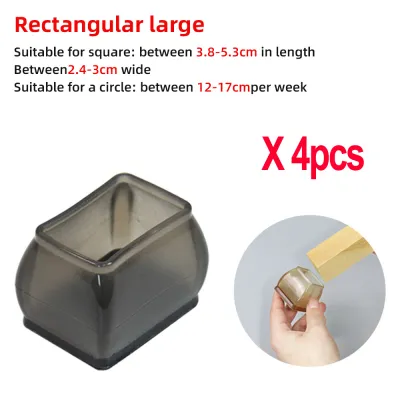
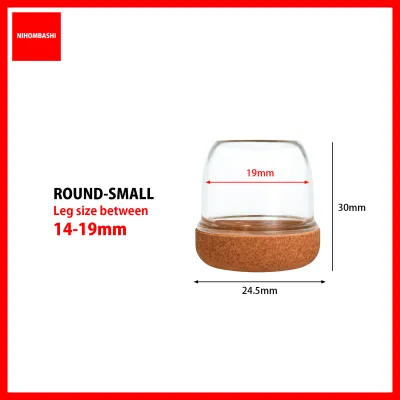
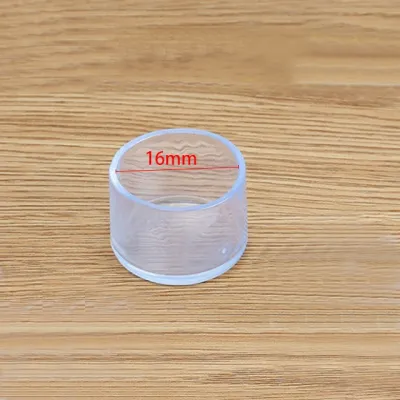
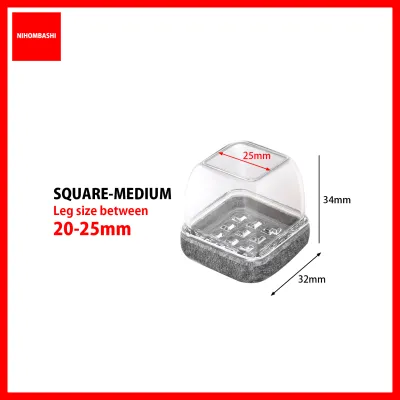
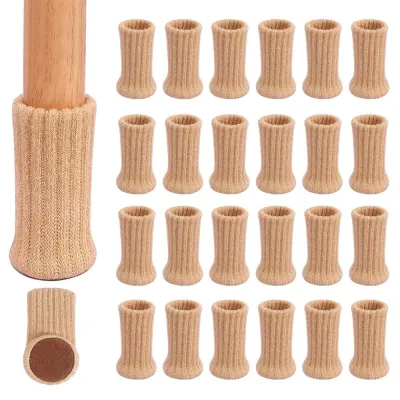
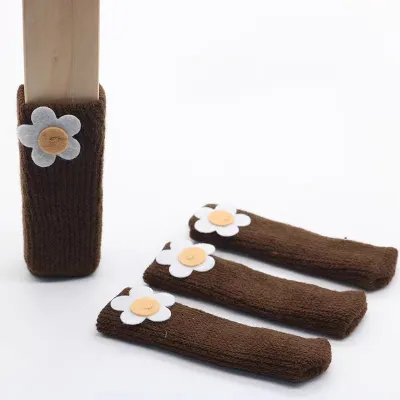
Prices are valid at publication and may change. Please refer to the product page for the latest price.
Ceramic, porcelain, and natural stone tiles are incredibly durable but are not immune to damage. Hard impacts from heavy table legs can chip or crack the tile surface, especially if the table is dropped or shifted unevenly. Additionally, abrasive debris trapped under an unprotected table leg can act like sandpaper, leaving dull scuff marks on polished marble or glossy glazed tiles over time.
Luxury vinyl tiles (LVT) and sheet vinyl are popular for their water resistance and soft underfoot feel, but they are vulnerable to tearing and permanent indentation under heavy loads. Furthermore, certain low-quality rubber compounds used in cheap furniture caps can chemically react with the vinyl’s wear layer. This reaction causes permanent yellowing or dark staining that cannot be washed away, ruining the appearance of your floor.
Matching Protector Materials to Floor Surfaces
Felt pads are the classic choice for smooth, hard surfaces such as hardwood, engineered wood, and polished stone. High-density felt allows heavy tables to slide smoothly across the floor during cleaning or rearranging without leaving a trace. When choosing felt pads, check the manufacturer’s label for density and thickness; compressed, low-density felt wears down rapidly, leaving the bare wood or plastic backing to scrape the floor.

For slick surfaces like polished porcelain tiles or vinyl where you want the table to remain firmly in place, silicone and rubber caps offer excellent grip. These flexible sleeves stretch over the table leg, providing a snug fit that prevents sliding. However, it is crucial to verify that the rubber compound is rated as non-marking and safe for vinyl finishes to avoid chemical discoloration.
Hard plastic and nylon glides are generally unsuitable for bare hard floors because they can easily trap grit and scratch delicate surfaces. Instead, these hard-wearing glides are best reserved for carpeted areas. They allow the table legs to slide smoothly over the carpet fibers without snagging, tearing the backing, or leaving deep, permanent divots in the pile.
Choosing the Right Design and Fit for Table Legs
To ensure a secure fit, you must accurately measure the bottom of your table legs. Use a precise measuring tape or caliper to check the diameter of round legs or the width of square and rectangular legs. If your table legs are tapered or sit at an angle, standard slip-on caps may slip off or wear unevenly; in these cases, angled glides or flexible silicone caps that conform to the leg’s shape are necessary.
Table leg protectors typically attach via self-adhesive backing, slip-on sleeves, or screw-on/nail-on glides. Self-adhesive pads are quick to install but work best on flat, clean surfaces and lighter tables. For heavy dining tables or chairs that move frequently, screw-on or nail-on protectors offer the most secure attachment, provided the table legs are made of solid wood that can tolerate drilling without splitting.
Weight distribution and load capacity are critical factors when selecting protectors. A heavy solid wood dining table requires thicker, more robust protectors than a lightweight coffee table. If the protector is too thin or soft, the table’s weight will completely compress the material, causing it to “bottom out” and allowing the hard leg bottom to contact the floor. Check the product specifications to ensure the protector’s thickness and surface area are rated to support your table’s estimated weight.
Installation and Maintenance for Long-Lasting Protection
Proper installation is key to preventing protectors from shifting or falling off. Before applying any protector, thoroughly clean the bottom of the table leg to remove dust, old adhesive residue, and floor wax. Wipe the area with a damp cloth or a mild cleaning solution, and allow it to dry completely; any remaining moisture or dust will severely compromise the bond of self-adhesive pads.
Table leg protectors are not install-and-forget items. Over time, felt pads can collect dust, pet hair, and abrasive grit from the floor, turning the protector itself into a scratching hazard. Make it a habit to inspect the bottom of your table legs every few months, gently brushing away any trapped debris or replacing pads that show signs of flattening or tearing.
Knowing when to replace your protectors will save your floors from sudden damage. If a felt pad has become hard and shiny, it has lost its cushioning ability and must be swapped out. Similarly, if silicone caps begin to split, or if screw-on glides show signs of wearing down to the metal screw head, replace them immediately to prevent catastrophic scratches.
Frequently Asked Questions (FAQ)
Can I use the same protectors for both indoor and outdoor furniture?
Outdoor environments present unique challenges like high humidity, rain, and intense sunlight, which can quickly degrade standard indoor protectors. Indoor felt pads will absorb moisture, leading to mold growth and adhesive failure, while standard plastics may crack under UV exposure. For outdoor tables on patios or balconies, look for heavy-duty, weather-resistant rubber or UV-stabilized plastic glides specifically rated for outdoor use, and ensure they do not trap water against the metal or wood legs.
Why do my self-adhesive felt pads keep falling off?
Self-adhesive pads usually fail due to poor surface preparation, uneven leg bottoms, or excessive lateral force when moving heavy tables. If dust or oil remains on the leg bottom during installation, the adhesive cannot form a strong bond. To resolve this, thoroughly clean the leg with rubbing alcohol before reapplying, or transition to slip-on silicone caps or screw-on glides for a mechanical attachment that does not rely on adhesive strength.
Community discussion
Share your experience or ask a question. Comments are reviewed before publication.