
Finding the right stove cabinet brand or provider in Singapore for a custom kitchen setup requires matching your cooking habits with the right class of provider—ranging from premium modular brands to bespoke local carpenters. Because Singapore’s high-humidity climate and typical high-density housing layouts present unique spatial and ventilation challenges, the most suitable brand is one that offers verified moisture-resistant materials, precise appliance integration, and robust structural warranties. By understanding how to evaluate materials, compare service providers, and manage the installation process, you can secure a durable and safe kitchen setup.
Defining Your Kitchen Layout and Stove Cabinet Requirements
In Singapore, kitchen layouts are often compact, requiring highly efficient use of every square centimeter. Before contacting any cabinet brand, you must measure your available floor space and map out the exact locations of existing gas pipes, electrical outlets, and utility meters. These fixed points heavily influence where your stove cabinet can be safely positioned.
If you are installing a gas hob, you must ensure compliance with local safety regulations regarding pipe clearance and ventilation. For induction hobs, verify that your kitchen’s electrical distribution board can support the high current draw, and plan the cabinet’s internal routing to keep wiring away from heat zones. Miscalculating these requirements early can lead to costly modifications during the installation phase.
Products mentioned in this guide
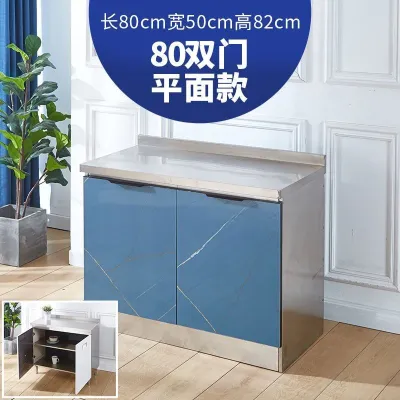

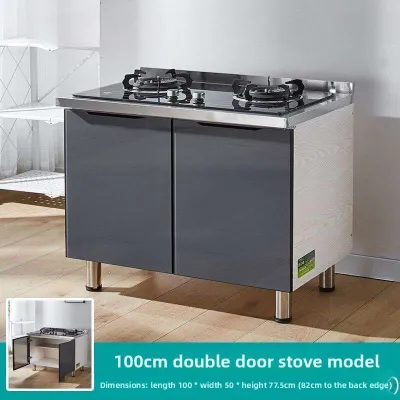
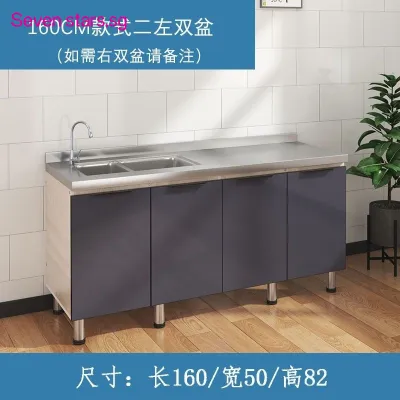
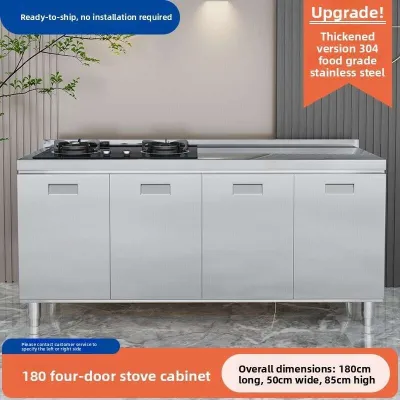
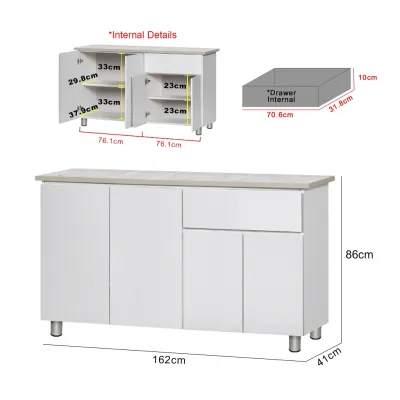
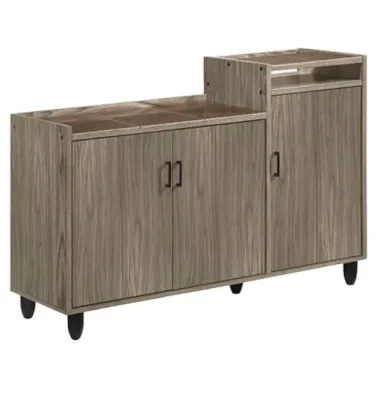
Prices are valid at publication and may change. Please refer to the product page for the latest price.
A dedicated stove cabinet must accommodate the specific cut-out dimensions of your chosen hob. It also needs to provide adequate clearance underneath for ventilation—especially for induction hobs, which require a continuous flow of cool air to prevent overheating. Additionally, consider your storage needs, such as heavy-duty pull-out drawers for cast iron pans or deep spice racks.
Custom kitchen works in Singapore can vary widely in cost. Setting a clear budget framework early helps you decide whether to go with a premium imported modular brand, a local design studio, or a direct contractor. Remember to allocate a portion of your budget specifically for appliance integration, plumbing adjustments, and electrical rewiring, as these are often priced separately from the cabinet units themselves.
Comparing Types of Kitchen Cabinet Providers in Singapore
When planning a custom stove cabinet, you will generally choose among three main categories of providers in Singapore: specialized kitchen design studios, comprehensive interior design firms, and independent carpenters or direct contractors. Each category serves different project scales, budgets, and customization needs.

Specialized kitchen design studios focus exclusively on culinary spaces, offering high-end modular systems or bespoke engineering. They excel in culinary ergonomics, offering specialized hardware configurations and seamless appliance integration. While their upfront costs are typically higher, they provide detailed technical drawings and precise manufacturing standards that minimize installation errors.
If you are renovating your entire home, an interior design firm offers a cohesive aesthetic across all rooms. They manage the entire project, coordinating the stove cabinet installation with tiling, plumbing, and electrical works. However, because many interior design firms outsource the actual cabinet fabrication to external carpentry workshops, you must actively verify the technical specifications and material standards of their chosen fabricators.
For homeowners with a clear design plan who prefer a hands-on approach, hiring a direct carpenter is a highly cost-effective option. They build the cabinets to your exact dimensions on-site or in a local workshop. The trade-off is that you must act as your own project manager, ensuring that the carpenter adheres strictly to appliance clearance guidelines and safety codes.
Specialized studios often provide comprehensive multi-year warranties on both the cabinet structure and the moving hardware, backed by official manufacturer guarantees. Direct contractors may offer shorter, more localized warranties, making it essential to clarify what is covered—such as hinge alignment or moisture swelling—before signing a contract. Project timelines also vary, with imported modular brands requiring several weeks or months for shipping, whereas local carpenters can often complete fabrication within a few weeks.
Evaluating Stove Cabinet Materials, Hardware, and Safety Specs
The area surrounding your stove is subjected to intense heat, steam, and airborne grease daily. Consequently, relying on generic material names like “wood” or “plywood” is insufficient. You must evaluate the specific performance characteristics of the materials proposed by your cabinet brand.
For panels immediately adjacent to the stove, look for high-pressure laminates or engineered surfaces that carry verified heat-resistance ratings. These surfaces should be non-porous to prevent grease from penetrating the substrate, allowing you to wipe away splatters easily without degrading the finish.
In Singapore’s humid climate, moisture resistance is critical to prevent cabinet warping and mold growth. Verify that the cabinet carcass is constructed from high-moisture-resistant boards or marine-grade plywood. Check the manufacturer’s labels for formaldehyde emission standards (such as E1 or E0 grades) to ensure indoor air quality is preserved.
The edges of your cabinet doors and carcasses are the most vulnerable to moisture infiltration. Ensure your provider uses high-quality edge banding, such as laser-applied or polyurethane adhesive banding. This creates a seamless, water-resistant seal that prevents steam from your stove or dishwasher from swelling the inner core of the board.
Stove cabinets often house heavy items like cast iron pots, woks, and heavy-duty cookware. Ask your provider for the official load ratings of the drawer runners and hinges. Premium hardware brands typically specify load capacities (such as 30kg or 50kg per drawer) and offer soft-closing mechanisms that prevent violent slamming, which can misalign the cabinet structure over time.
Always prioritize official product specification sheets and written care instructions over verbal assurances from sales representatives. If a brand cannot provide documented proof of a material’s heat resistance, moisture rating, or load capacity, treat it as an unverified claim and consider alternative options.
Managing the Measurement, Quotation, and Installation Process
Before fabrication begins, ensure that the physical path to your kitchen is fully accessible. Measure the dimensions of your entry doors, hallways, staircases, and elevators to confirm that large, pre-assembled cabinet sections can be transported safely into your home without causing damage to the property or the cabinetry.
A transparent quotation should detail every aspect of the project. Look closely for potential hidden costs, such as charges for dismantling and disposing of old cabinets, wall hacking, plastering, plumbing reconnection, or electrical rerouting. Ensure that the cost of cutting out the countertop and cabinet for the hob and sink is explicitly stated.
During the installation phase, active monitoring is essential. Verify that the cabinet carcasses are perfectly level using a spirit level, as uneven cabinets can put undue stress on your countertops, leading to cracks in materials like quartz or solid surfaces. Ensure the cabinet is securely anchored to the wall using appropriate heavy-duty wall plugs and brackets.
The installation must strictly respect the safety clearances specified by both your stove manufacturer and local building codes. This includes maintaining the correct vertical distance between the hob and the cooker hood, as well as ensuring adequate side clearances from adjacent tall cabinets or walls to prevent fire hazards.
If you observe any structural conflicts during installation—such as a cabinet blocking a gas valve, misaligned appliance cut-outs, or unstable anchoring—halt the work immediately. Do not allow the installers to proceed with temporary or unapproved workarounds. Consult the cabinet manufacturer’s technical support or a qualified professional to resolve the issue safely.
Frequently Asked Questions (FAQ)
Can I install a heavy built-in oven in a standard custom stove cabinet?
Integrating a heavy built-in oven requires careful structural planning. You must first consult the oven manufacturer’s installation manual to verify the exact cabinet cutout dimensions, weight-bearing requirements, and mandatory ventilation clearances. Standard stove cabinets are often not designed to support the concentrated weight of a large oven (which can exceed 30kg to 40kg) along with the heat it generates.
Ensure your cabinet builder uses reinforced construction methods. This includes utilizing thicker support panels (typically 18mm or thicker), heavy-duty metal brackets, and dedicated ventilation grilles at the base and rear of the cabinet to allow hot air to escape. The installation must follow the oven’s official guidelines precisely to prevent heat buildup from damaging adjacent cabinetry or causing electrical faults.
How do I maintain the finish of cabinets adjacent to high-heat cooking zones?
To preserve the appearance and structural integrity of cabinets near your stove, always follow the specific care and cleaning instructions provided by your cabinet manufacturer or surface supplier. Avoid generic cleaning advice, as different finishes (such as acrylic, laminate, or veneer) react differently to cleaning agents.
Use gentle, non-abrasive cleaning methods. A soft microfiber cloth dampened with warm water and a mild, pH-neutral dish soap is generally sufficient to remove grease and grime. Avoid harsh chemical solvents, abrasive scrubbing pads, or steam cleaners, as these can strip away protective coatings, melt edge banding adhesives, or dull the cabinet’s finish.
Perform regular visual inspections of the cabinet edges and surfaces closest to the stove. Look for early signs of heat exposure, such as peeling laminate, discoloration, or swelling. If you notice any damage, contact your cabinet provider or a professional repair service promptly to address the issue before moisture penetrates deeper into the substrate.

Community discussion
Share your experience or ask a question. Comments are reviewed before publication.