
Selecting the right storage shelf size for your Singapore home requires a careful balance between the physical constraints of your floor plan and the dimensions of the items you need to organize. HDB flats and modern condominiums often feature compact layouts, structural beams, and specific utility pathways that dictate where furniture can safely stand. By measuring systematically and planning for daily movement, you can maximize your vertical storage without making your living space feel cramped or obstructed. Taking the time to assess these spatial factors before purchasing ensures that your new storage unit is both highly functional and safe for everyone in your household.
Measure Your Space and Clearance Requirements
Before browsing online marketplaces or visiting furniture showrooms, you must establish the precise boundaries of your available space. Begin by measuring the raw floor area where you plan to place the shelf. In many Singapore homes, architectural details such as skirting boards along the base of the walls will prevent a shelf from sitting completely flush. Measure the depth of these skirting boards and subtract that from your available floor depth to get an accurate picture of how far the unit will protrude.
Additionally, locate all wall-mounted fixtures, power outlets, light switches, and air-conditioning trunking. Placing a shelf directly over a power outlet can render it unusable, while trunking running along the top or sides of a wall can physically block a shelf from fitting into a designated niche. Mark these obstacles on a simple sketch of your room, noting their height from the floor and how far they extend from the wall.
Products mentioned in this guide
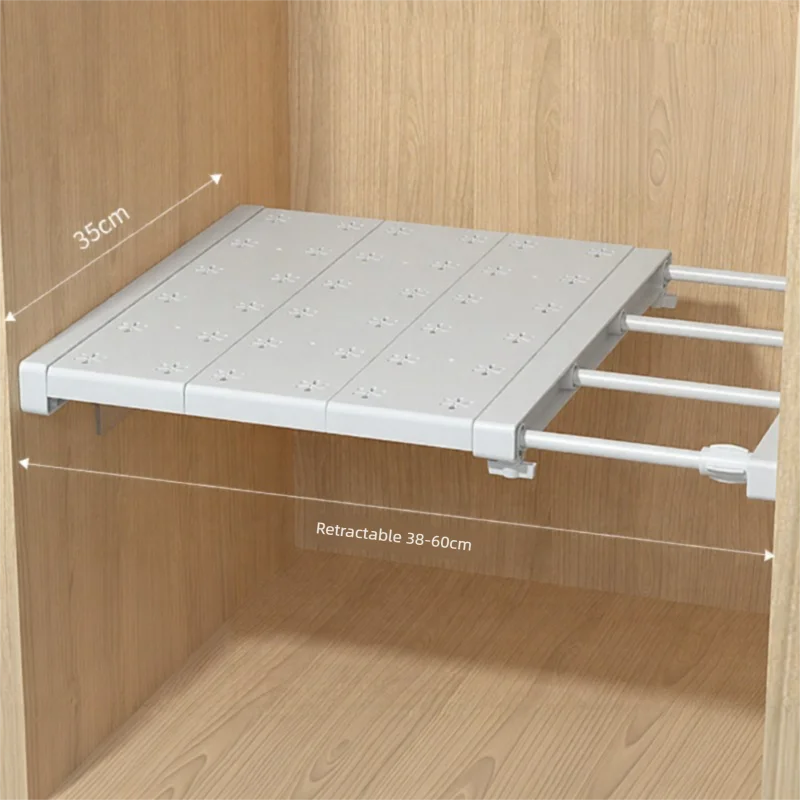
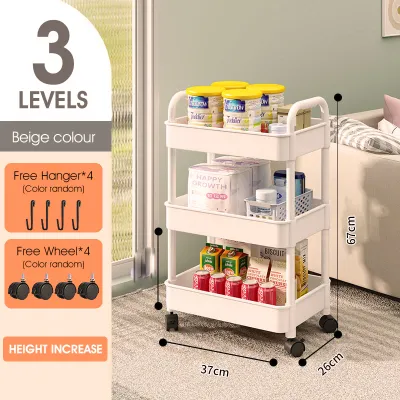
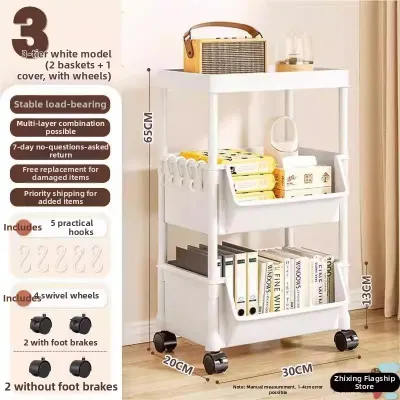
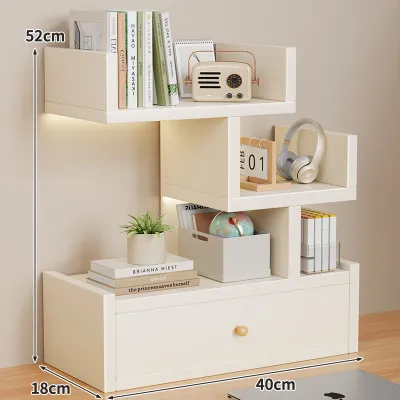
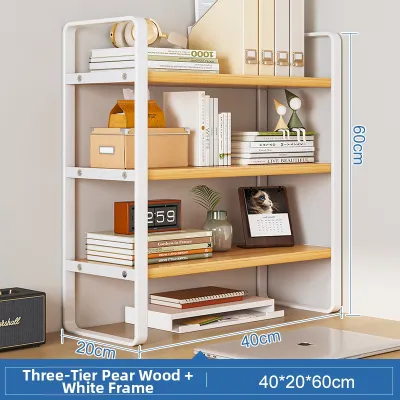
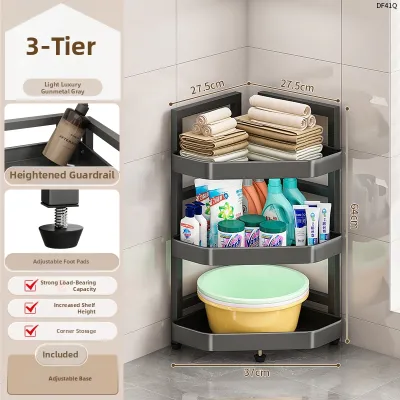

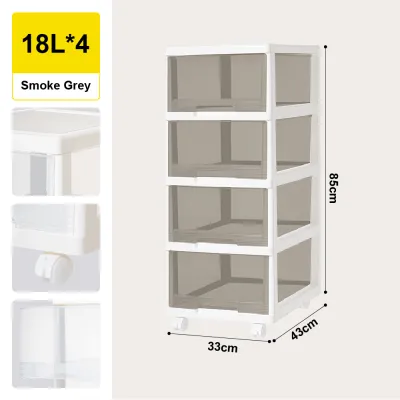
Prices are valid at publication and may change. Please refer to the product page for the latest price.
Walkway and door clearances are equally critical for maintaining a comfortable flow of traffic. A shelf that is too deep can turn a comfortable corridor into a cramped bottleneck. Measure the width of the adjacent walkway with the shelf in place, ensuring there is ample room for household members to walk past comfortably. You must also account for the swing radius of nearby doors, including bedroom doors, wardrobe doors, and even the doors of the shelving unit itself.
Finally, assess the vertical limits of your room by measuring the ceiling height. While standard HDB ceilings typically range between 2.6 and 2.8 meters, false ceilings in renovated flats or condos can significantly lower this clearance. Take note of any overhead obstructions such as light fixtures, ceiling fans, or structural beams. A tall storage shelf placed too close to a ceiling fan is a major safety hazard, and placing it directly under a light fixture can block light distribution.
Match Shelf Dimensions to Specific Room Zones
Different areas of an HDB flat or condo demand distinct shelving configurations to balance storage capacity with spatial comfort. In narrow zones like entryways, foyers, or HDB household shelter corridors, floor space is at a premium. For these areas, prioritize shallow-depth shelves, typically measuring 20 to 25 centimeters deep. Vertical tower units or wall-mounted shelving systems are excellent choices here, as they draw the eye upward and keep the floor clear, preserving the necessary width for daily foot traffic.

In living rooms and study areas, you have more flexibility to accommodate standard bookcase depths, which generally range from 30 to 40 centimeters. This depth is ideal for storing standard novels, binders, and decorative display items. When selecting a shelf for these social zones, consider the visual proportion of the unit in relation to your other furniture. A massive, dark, floor-to-ceiling bookcase can easily overwhelm a small study, whereas a modular, open-backed shelf can provide ample storage while allowing light to pass through, maintaining an airy feel.
Kitchens and utility yards present unique environmental challenges that influence both shelf dimensions and material choices. When planning storage for these zones, measure any countertop appliances, such as microwaves or air fryers, that you plan to place on the shelves, ensuring there is sufficient depth and width for them to sit securely. Because these areas are prone to high humidity, check the manufacturer’s care instructions and material finishes to ensure they can withstand the environment. Additionally, leave a small gap between the back of the shelf and the wall to allow for easy cleaning access and to prevent dust and mold from accumulating.
Evaluate Weight Capacity and Installation Safety
A shelf’s dimensions must always be evaluated alongside its weight capacity to ensure long-term structural safety. Before purchasing, cross-reference the manufacturer’s specified load ratings with the estimated weight of the items you intend to store. Heavy items like dense book collections, ceramic kitchenware, or storage boxes filled with documents can easily cause poorly rated shelves to sag or buckle over time. Distribute heavier items on the lower shelves to keep the unit’s center of gravity low, which significantly improves stability.
Wall anchoring is a critical safety measure, especially for tall shelves or units placed in homes with active households. The feasibility of anchoring depends entirely on your wall type. Most structural walls in HDB flats are made of solid concrete, which provides an exceptionally secure anchor point but requires a hammer drill and appropriate masonry plugs to install. Conversely, partition walls in many modern condos and renovated HDB flats are made of drywall or gypsum board. These non-load-bearing walls cannot support heavy loads and require specialized hollow-wall anchors or must be secured directly into the internal wall studs.
Knowing when to halt a DIY installation is vital for your safety and the integrity of your home. If you do not own the correct tools, such as a high-quality hammer drill for concrete walls, or if you are unsure of the wall’s material and what lies behind it (such as hidden electrical wiring or water pipes), do not attempt to drill. For heavy-duty shelving, complex modular systems, or floor-to-ceiling setups, it is highly recommended to consult a qualified professional installer who can ensure the unit is safely and permanently secured.
Avoid Common Sizing and Placement Mistakes
One of the most common logistical errors homeowners make is overlooking delivery and access constraints. A large, one-piece storage shelf might fit perfectly in your living room, but it is useless if it cannot be transported into your home. Measure the height and width of your building’s lift doors, the interior dimensions of the lift cabin, and the clearance of any tight turns in your condo corridors or HDB staircases. If access is tight, look for flat-packed furniture that can be assembled directly inside the room, or modular units that can be brought in as smaller, individual sections.
Another frequent mistake is ignoring the necessary ventilation gaps when placing shelves near heat-generating appliances or electronics. Placing a shelf flush against a refrigerator, microwave, or home theater receiver can trap heat, leading to appliance inefficiency or even premature failure. Always check the appliance manuals for recommended clearance distances and ensure your shelf placement leaves enough open space for heat to dissipate safely.
Lastly, avoid the temptation to assume that generic “standard” sizes will fit your space without verification. A product labeled as a “standard bookcase” can vary by several centimeters depending on the manufacturer, which can prevent it from fitting into a tight alcove or recessed wall. Furthermore, some flat-pack shelves require extra physical clearance during the assembly process itself—such as space to lay the unit flat on the floor to attach the back panel before raising it upright. Always verify the exact product specifications and assembly instructions to ensure you have the physical space required to build the unit safely.
Frequently Asked Questions (FAQ)
Can I use floor-to-ceiling shelves in a room with a false ceiling?
You should not anchor tall shelves directly to a false ceiling, as these structures are typically made of lightweight plasterboard and are not designed to bear structural loads or resist upward tension. Attempting to secure a tension-rod shelf or a heavy unit against a false ceiling can crack the plaster or cause the ceiling panel to sag. Instead, opt for freestanding tall units that rely on a stable base on the solid floor and are anchored securely to a structural concrete back wall. If you must secure a unit vertically, consult a professional contractor to locate the structural metal framing or concrete slab above the false ceiling.
How much gap should I leave between a shelf and an air-conditioner?
It is important to maintain a clear gap between your storage shelf and any wall-mounted air-conditioning unit to ensure optimal cooling performance and prevent damage. A shelf placed too close to an air-conditioner can block the downward and outward airflow, reducing the system’s efficiency and causing the room to cool unevenly. Additionally, cold air blowing directly onto a nearby shelf can lead to condensation, which may warp wood or cause mold growth on stored items. Ensure there is enough physical clearance below the air-conditioner to allow technicians to easily open the unit, clean the filters, and safely position a ladder during routine maintenance.

Community discussion
Share your experience or ask a question. Comments are reviewed before publication.