
Choosing the right storage shelf size for a small Singapore apartment requires balancing your storage needs with the physical realities of compact floor plans, such as typical HDB or condominium layouts. The ideal size maximizes vertical space and matches the depth of your items without obstructing walkways or blocking natural light. Selecting a storage shelf that fits both your belongings and your room layout ensures your home remains organized, functional, and visually open.
Assess Your Space: How to Measure for a Storage Shelf in Small Apartments
Measuring for a storage shelf in a compact apartment requires a systematic approach that goes far beyond checking basic wall width. You must capture three-dimensional measurements—width, depth, and height—to ensure a perfect fit. Always use a rigid steel measuring tape rather than a flexible fabric one, as fabric tapes can stretch and lead to inaccurate readings that cause installation headaches later.
Begin by measuring the exact footprint of the floor space where the shelf will sit. Do not assume a clear stretch of wall is completely usable from top to bottom. In Singapore homes, several architectural features can obstruct your furniture placement. Skirting boards, which run along the base of the walls, typically project 1.5 cm to 2 cm outward. If your shelf does not have a base cutout to accommodate these boards, it will not sit flush against the wall, leaving a gap at the back and stealing valuable floor space.
Products mentioned in this guide
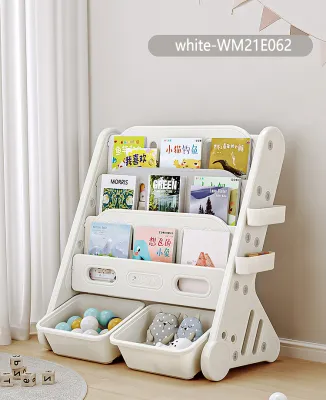
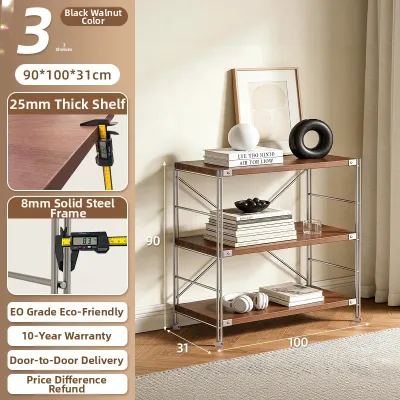
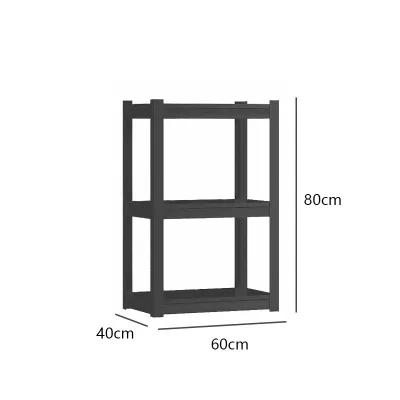
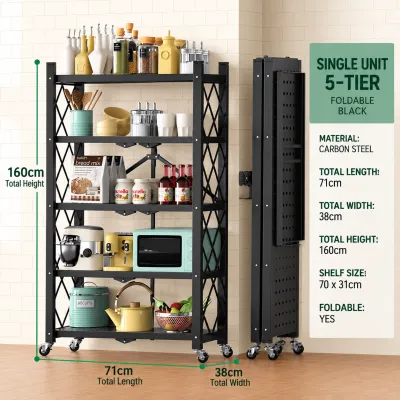
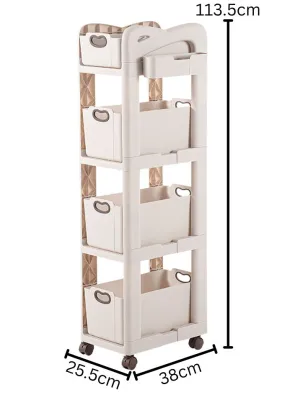

Prices are valid at publication and may change. Please refer to the product page for the latest price.
Additionally, look out for wall-mounted power outlets, light switches, and internet ports. Covering these up can render them useless, so you must choose a shelf with an open back, select a height that stops below the outlets, or plan to cut access holes in the back panel. Other common obstacles in local layouts include aircon trunking—the thick plastic casings that house refrigerant pipes—which often run horizontally along the top of walls or vertically down corners. Measuring the clearance below or around this trunking is vital to avoid buying a unit that is too tall or wide.
Finally, factor in the clearance required for daily movement. A functional room needs a clear walking path of at least 60 cm to 70 cm in front of any furniture. If your storage shelf features drawers, pull-out baskets, or cabinet doors, measure their fully extended depth to ensure they can open completely without striking your bed, sofa, or dining table.
Decoding Shelf Dimensions: Balancing Depth, Width, and Height
Understanding how depth, width, and height interact is key to choosing a shelf that serves your functional needs without overwhelming your room’s visual scale.

Choosing the Right Depth
The depth of your storage shelf directly dictates what you can store and how much physical floor space you sacrifice. Shallow shelves, measuring between 15 cm and 25 cm deep, are highly efficient for small spaces. They are ideal for standard paperback books, small decorative items, photo frames, and media collections. Because they do not protrude far into the room, they keep walkways clear and maintain a light visual weight, making them excellent choices for narrow hallways or small bedrooms.
Medium-depth shelves, ranging from 30 cm to 35 cm, represent the standard for general storage. This depth comfortably accommodates larger hardcover books, standard binders, and common storage boxes or baskets. If you need to store bulkier items, such as large plastic storage bins, kitchen appliances, or printers, you will need a deep shelf measuring 40 cm to 50 cm. However, deep shelves carry significant visual weight. In a small room, a deep, solid-backed shelf can make the space feel boxed in and dark. To mitigate this, consider open-backed designs or position deeper units in corners where they are less intrusive to the room’s main sightlines.
Optimizing Width and Configuration
When deciding on the width of your shelving, you must choose between narrow-tall and wide-short configurations based on your available wall space. Narrow shelves, typically 40 cm to 60 cm wide, are exceptionally versatile. They can slip into tight corners, fit neatly into alcoves, or occupy the small gap between a wardrobe and a window.
Conversely, wide shelves, measuring 80 cm to 120 cm or more, are better suited for anchoring a main wall, such as in a living room or study. While wide shelves offer substantial contiguous storage, they require careful structural consideration. Long shelf spans are highly susceptible to sagging under heavy loads, especially if constructed from budget materials like particleboard or MDF. To prevent this, look for shelves with mid-span supports, or opt for modular widths where multiple narrow units are placed side-by-side. Modular systems offer the added benefit of future flexibility, allowing you to rearrange or expand your storage setup if you move to a different home.
Maximizing Vertical Height
In a compact apartment, vertical space is your most valuable asset. Utilizing tall shelves or floor-to-ceiling bookcases (ranging from 180 cm to 240 cm or higher) allows you to maximize storage capacity without expanding the furniture’s footprint on the floor.
However, going tall requires careful planning. It is highly recommended to leave a gap of at least 10 cm to 15 cm between the top of the shelf and the ceiling. This clearance is essential for several reasons:
- It ensures adequate air circulation to prevent tropical mold and mildew from accumulating in stagnant overhead pockets.
- It allows room for ceiling light fixtures to cast light onto the top shelves.
- It provides enough space for cleaning tools to reach the top.
Visually, a tall bookcase that stops slightly short of the ceiling can actually make a room feel taller, whereas a unit jammed tightly against the ceiling can feel oppressive. If you do choose a tall unit, select lighter colors or open frames to keep the room feeling bright and airy.
Room-by-Room Sizing Strategies for Compact Layouts
Every room in a compact Singapore apartment serves a distinct purpose, requiring tailored shelving configurations to optimize utility.
- Living Room: The living room is the social hub of the home, meaning maintaining open sightlines is essential. Low-profile shelves (under 100 cm tall) or medium-height units (120 cm to 150 cm) are ideal here. Placing a low, wide shelf behind a sofa can act as a subtle zone divider in open-concept living-dining areas without blocking natural light from windows or obstructing the view of the television. If you must use a tall shelf, place it against a solid wall away from windows, or choose an open-shelf design that allows light to filter through, preserving the sense of spaciousness.
- Bedroom: Bedrooms in newer HDB flats and condos are notoriously compact, often leaving little room beside the bed. Instead of traditional, wide nightstands, consider narrow, tall bedside shelves (30 cm to 40 cm wide). These units provide vertical storage for books, phones, and bedside lamps while occupying minimal floor space. Ensure that the shelf placement does not block the opening of sliding wardrobe doors or conflict with the swing of the bedroom door. Corner shelving units are also excellent for reclaiming the awkward, underutilized corners of a small bedroom.
- Home Office/Study: With work-from-home arrangements remaining common, home offices must be highly efficient. If you are integrating shelving above a desk, depth is the most critical dimension. A standard study desk is typically 60 cm deep; any shelving mounted directly above it should be significantly shallower—ideally 20 cm to 25 cm deep—to prevent you from bumping your head when sitting down or standing up. If you plan to place a printer, monitor, or laptop directly on a shelf, measure the device's stand or footprint carefully. Many office devices require a shelf depth of at least 35 cm to 40 cm, which may require a dedicated, free-standing storage unit rather than a wall-mounted shelf.
Space-Saving Configurations: Wall-Mounted and Modular Shelves
To truly optimize a small footprint, look beyond traditional free-standing bookcases and explore innovative shelving configurations.
- Wall-Mounted (Floating) Shelves: Floating shelves are an excellent way to reclaim floor space, making your rooms feel larger and significantly simplifying floor cleaning. However, successful installation depends entirely on your wall type. In Singapore, internal walls can be solid concrete (such as structural columns or precast panels) or lightweight drywall/partition walls. Solid concrete walls can support substantial weight when drilled with the correct masonry bits and fitted with heavy-duty wall plugs. Drywall partitions, on the other hand, have strict weight limitations; you must locate the internal metal or timber studs to secure the brackets safely, or use specialized hollow-wall anchors for lighter items. Always check the manufacturer's maximum load limits and never overload floating shelves.
- Modular and Adjustable Systems: Modular shelving systems offer unparalleled flexibility. These systems allow you to adjust the height of individual shelves, add new modules as your storage needs grow, or reconfigure the layout to fit different rooms. This adaptability is particularly beneficial for growing families or tenants who may need to adapt their furniture to different rental properties over time.
- Corner Shelves: Corners are frequently wasted in small layouts. Corner shelves, whether floating radial designs or L-shaped free-standing units, allow you to turn these dead zones into functional storage or display areas. They are highly effective in small bathrooms for toiletries, or in dining alcoves for holding condiments and small decorative items.
Common Sizing Mistakes and Essential Safety Checks
Avoiding common pitfalls during the selection, delivery, and installation stages will save you from costly returns, property damage, or safety hazards.
- Delivery and Access: A shelf that fits perfectly in your living room is useless if it cannot be delivered into your home. Before ordering large, fully assembled, or heavy solid wood units, you must measure every point of transit. Check the height and width of your passenger lift doors, the interior dimensions of the lift cabin, the clearance of corridor turns, and the width of your main entrance door. Large, non-demountable units often cannot clear tight lift doors or winding stairwells, which can result in failed deliveries or expensive manual carrying fees. For tight spaces, flat-pack shelves that are assembled directly inside the room are highly recommended.
- Safety and Stability: Tall, narrow, or top-heavy shelves pose a serious tip-over risk, which can lead to severe injury or property damage. It is an absolute necessity to secure any storage shelf taller than 120 cm to the wall using anti-tip anchoring hardware. This safety check is critical in homes with young children, pets, or elderly residents. If you are unable or unwilling to drill into your walls, stick to low-profile shelving units with a wide, stable base.
- Overloading and Structural Limits: To ensure the longevity of your furniture, never exceed the manufacturer's stated weight capacity. Do not assume a material is indestructible based on its name alone; instead, check the shelf thickness, joint construction, and specific care instructions. Distribute weight evenly across the shelves, placing your heaviest items—such as large books, heavy storage boxes, or appliances—on the bottom shelves to lower the unit's center of gravity. Regularly inspect the shelves for any signs of bowing or sagging, which indicates overloading and requires immediate weight reduction to prevent structural failure. Additionally, in Singapore’s humid tropical climate, ensure there is a small gap of 1 to 2 cm between the back of the shelf and the wall to promote airflow and prevent mold growth on both the wall and the shelf material.
Frequently Asked Questions (FAQ)
Do I need permission to drill into HDB walls for floating shelves?
Generally, minor drilling for mounting shelves, picture frames, or television brackets does not require a formal renovation permit from the Housing & Development Board (HDB). However, there are strict structural rules you must follow. You must never drill into structural columns, beams, or precast reinforced concrete walls (such as those enclosing household shelters, also known as bomb shelters), as this can compromise the building’s structural integrity. Drilling is permitted on standard internal brick, block, or drywall partition walls.
Before you begin drilling, it is crucial to use a high-quality multi-scanner or stud finder to check for concealed electrical wiring, water pipes, or air-conditioning conduits embedded in the wall. If you are renting your apartment, always consult your landlord and obtain written permission before drilling, as tenancy agreements typically require you to reinstate the walls to their original condition upon moving out. If you lack the proper tools—such as a high-impact rotary hammer drill, which is necessary for penetrating tough concrete—or if you are unsure about the wall’s structural nature, it is highly recommended to engage a qualified professional handyman to complete the installation safely. For light decorative items, non-drilling alternatives like high-strength adhesive strips or tension-rod shelving systems can be used, though they are not suitable for heavy book storage.

Community discussion
Share your experience or ask a question. Comments are reviewed before publication.