
Finding the right stools for home spaces involves more than just picking an attractive seat; it requires a thoughtful alignment of visual style, material composition, and physical proportions with your existing interior design. Whether you are furnishing a compact breakfast counter in a modern HDB flat or setting up a spacious bar area in a condominium, the right stool acts as both a functional seat and a design anchor. By systematically evaluating your room’s dominant design theme, selecting matching material palettes, and verifying critical ergonomic dimensions, you can choose seating that enhances your home’s aesthetic harmony while ensuring daily comfort.
Assess Your Existing Home Decor Theme
Before browsing through furniture catalogs, take a close look at the architectural features and existing decor of your room. Identify the dominant materials, such as warm teak, cool marble, or matte black metal, and note the primary color palette. Pay attention to the structural lines of your cabinetry and walls; sharp, geometric angles call for a different stool silhouette than soft, organic curves.
Next, define the primary function of the stool within the space. A stool intended for quick morning coffees at a kitchen island requires different comfort levels and features than one used for long evening dinners at a high dining counter. If the stool is meant to serve as an occasional accent piece in the living room, its visual impact might take priority over heavy-duty durability.
Products mentioned in this guide
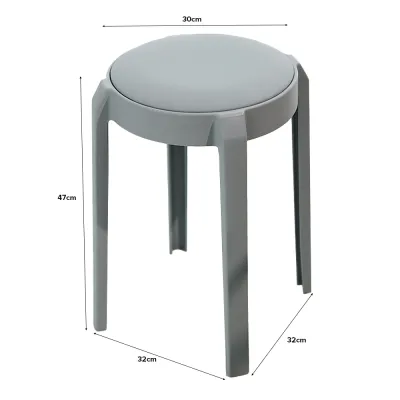
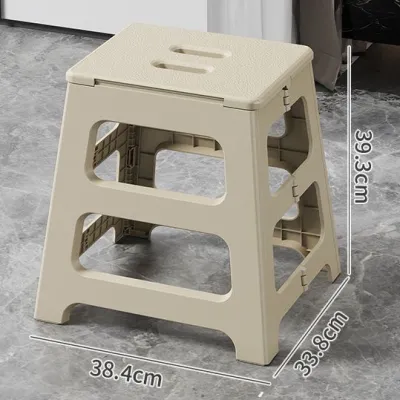
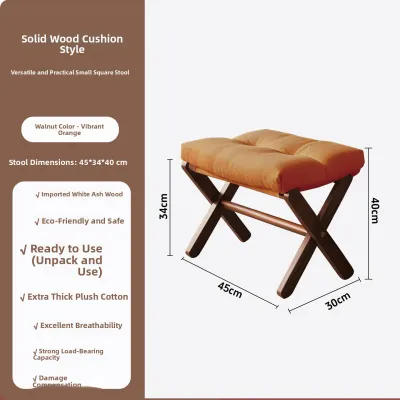
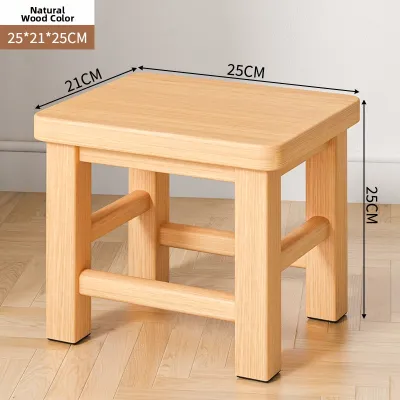
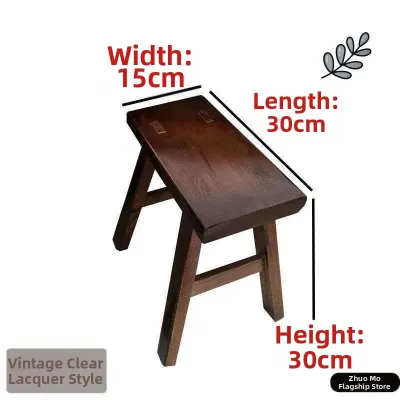
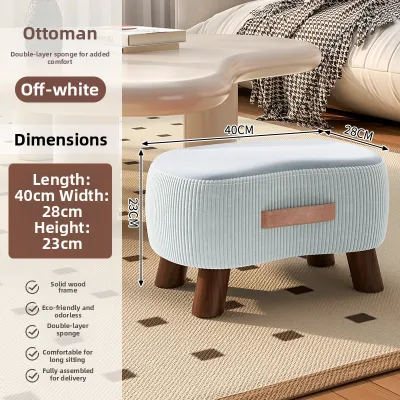
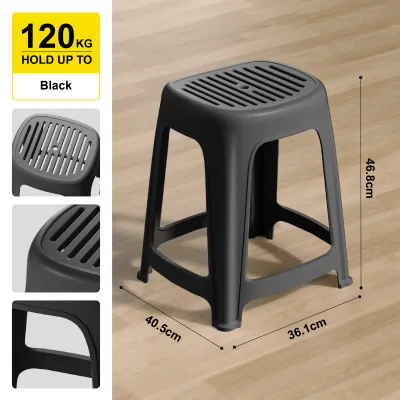
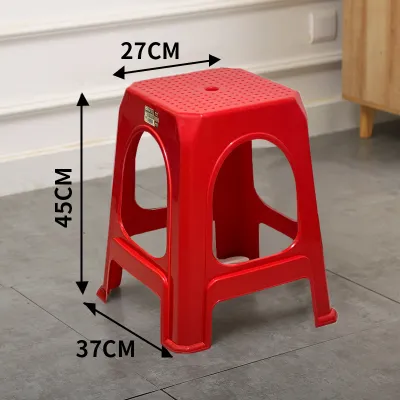
Prices are valid at publication and may change. Please refer to the product page for the latest price.
In Singapore’s typical residential layouts, spatial efficiency is a critical consideration. Measure the available floor space around your counter or island, keeping in mind that you need sufficient clearance for people to walk behind seated guests. Account for the traffic flow in high-use zones, ensuring that the stool bases do not create tripping hazards or block nearby cabinet doors and appliances from opening fully.
Match Stool Styles to Popular Interior Aesthetics
Categorizing stools by their design era and material palette simplifies the selection process by narrowing down your options to those that share a common design language. Instead of looking at hundreds of unrelated designs, you can focus on specific styles that naturally complement your home’s established theme. This structured approach ensures that your new seating feels like an intentional extension of your interior design rather than an afterthought.

Scandinavian and Japandi
The Scandinavian and Japandi design movements share a deep appreciation for simplicity, natural elements, and functional beauty. To match these serene aesthetics, look for stools crafted from light-colored woods such as ash, beech, or pale oak. These materials bring warmth to a space without overwhelming it, maintaining the bright and airy feel characteristic of Nordic and Japanese-inspired homes.
Focus on clean lines, soft organic curves, and neutral, earthy color palettes. Stools featuring natural textures like woven paper cord, light linen upholstery, or matte timber finishes work exceptionally well in these environments. These tactile elements add subtle visual interest and warmth to a minimalist space without relying on bold colors or complex patterns.
Avoid stools with overly ornate details, heavy visual weight, or dark, high-gloss finishes, as these elements can easily disrupt the calm, uncluttered atmosphere of a Japandi or Scandinavian room. Instead, prioritize designs that emphasize functional simplicity, where every joint and curve serves a clear purpose and contributes to a sense of quiet refinement.
Industrial and Urban Modern
Industrial and urban modern interiors celebrate raw materials, structural honesty, and utilitarian design. To complement this aesthetic, look for stools that feature a bold mix of materials, such as matte black iron or brushed steel frames paired with solid wood or distressed leather seats. These combinations echo the architectural elements often found in loft-style apartments and modern urban homes.
When evaluating industrial stools, check for visible hardware, exposed welds, and sturdy, utilitarian silhouettes. Features like heavy-duty adjustment screws, metal footrests, and raw, textured finishes embrace an unfinished, authentic look. These design details give the furniture character and allow it to stand out against neutral backdrops.
However, it is important to balance the visual weight and dark tones of industrial stools with the other elements in your room. If your space already features exposed concrete walls or dark brickwork, choose stools with slightly slimmer metal profiles to prevent the room from feeling overly heavy or dark. This ensures a balanced composition where the furniture complements, rather than competes with, the architectural finishes.
Mid-Century Modern
Mid-century modern design is celebrated for its retro-inspired elegance, organic shapes, and warm, inviting wood tones. To capture this classic aesthetic, look for stools featuring tapered wooden legs, gently curved backrests, and rich wood finishes like walnut, teak, or medium oak. These elements bring a sense of nostalgia and timeless sophistication to contemporary dining and kitchen spaces.
Upholstery plays a significant role in mid-century modern seating. Consider stools finished in textured bouclé, classic smooth leather, or fabrics in retro-inspired tones like mustard yellow, olive green, or burnt orange. These materials add depth and character, making the stools a focal point of the room while maintaining a comfortable, tactile quality.
Verify that the overall silhouette of the stool aligns with vintage geometric forms and low-profile elegance. Avoid bulky, overstuffed designs that lack the clean, sculptural quality of mid-century furniture. A well-chosen mid-century stool should feel light on its feet, preserving the visual flow of your room while offering a comfortable and stylish place to sit.
Minimalist and Contemporary
Minimalist and contemporary spaces demand a sleek, disciplined approach to furniture selection, where every piece must justify its presence through clean lines and high functionality. Prioritize stools with streamlined silhouettes, hidden joinery, and monochromatic or highly muted color schemes. These designs blend seamlessly into the background, maintaining the clean, uninterrupted visual lines of a modern kitchen or bar area.
Evaluate modern materials that offer a smooth, untextured finish, such as molded plastics, polished metals, or engineered woods with seamless edges. Stools made from these materials often feature innovative, single-piece constructions that eliminate visual clutter. A monochromatic stool in matte black, crisp white, or cool grey can create a striking, sophisticated look without relying on decorative details.
Ensure the design strictly avoids unnecessary embellishments, intricate carvings, or contrasting hardware. The goal in a contemporary space is to maintain a sense of spaciousness and order. By choosing stools with a minimalist profile, you ensure that the seating enhances the architectural clean-lined feel of your home rather than cluttering it.
Key Dimensions and Ergonomics to Check Before Buying
Selecting a stool that matches your aesthetic is only half the battle; it must also fit your counter perfectly and provide comfortable seating. Begin by measuring the exact height of your counter or table from the floor to the underside of the surface. This measurement determines whether you need counter-height stools (typically designed for surfaces around 90 cm high) or bar-height stools (suited for surfaces around 100 to 105 cm high). A standard clearance of 25 to 30 cm between the top of the stool seat and the underside of the counter is ideal for comfortable legroom.
Beyond height, evaluate the seat depth, width, and the presence of a supportive footrest. A seat that is too shallow can feel unstable, while one that is too deep may prevent your feet from resting comfortably on the footrest. If you plan to use the stools for extended periods, look for designs with gently contoured seats or low-profile backrests that offer lumbar support without adding excessive visual bulk to your room.
Finally, verify the physical footprint and overall stability of the stool. Stools with a wider base or heavier frame offer greater stability, which is an important safety consideration if you have young children or pets in the home. However, a wider base also means the stool will occupy more floor space, so you must ensure there is still adequate clearance for comfortable movement around the seating area.
Sourcing and Verifying Stool Quality
When sourcing stools for your home, it is essential to look beyond aesthetics and verify the quality of construction. Inspect the joint construction in the manufacturer’s product specifications, looking for sturdy techniques like mortise-and-tenon joints or reinforced metal brackets rather than simple glue and screws. Check the specified weight capacity to ensure the stool is built to withstand daily use over many years.
Compare prices in S$ across different retailers, making sure to factor in additional costs such as delivery fees, assembly charges, or potential return penalties. Some online platforms may offer lower initial prices but add substantial shipping fees, so calculating the total cost upfront is crucial for an accurate budget comparison.
To ensure you are satisfied with your purchase, review the warranty terms offered by the manufacturer or retailer. Whenever possible, visit physical showrooms in Singapore to test the stools in person. Sitting on the stool allows you to verify the comfort of the seat, the sturdiness of the frame, and the true color and texture of the materials under natural light before making a final commitment.
Frequently Asked Questions (FAQ)
How many stools should I place at a kitchen island?
To determine the ideal number of stools for your kitchen island, measure the total length of your counter and apply a standard spacing rule. As a general guideline, allow at least 60 to 75 cm of counter width for each stool, measured from the center of one seat to the center of the next. This spacing ensures that guests have enough elbow room to eat, drink, and converse comfortably without feeling crowded.
The specific design of your stools will also influence how many you can fit. Stools with wide bases, armrests, or swivel mechanisms require more clearance than narrow, armless designs. If your stools swivel, add an extra 10 to 15 cm of space between them to prevent the seats from bumping into each other or the edges of the island when in use.
Can I mix different stool styles in the same room?
Mixed stool styles can add character and visual interest to your home, provided you maintain a sense of cohesion. To successfully blend different designs, look for a unifying element that ties them together, such as matching seat heights, consistent wood species, or identical metal finishes. For example, you might pair two different stool shapes that both feature the same matte black steel legs.
To prevent the space from looking cluttered or disorganized, limit your selection to two distinct styles and keep the overall color palette highly cohesive. Using a consistent color scheme helps anchor the seating area, making the variation in stool shapes feel like an intentional, curated design choice rather than a random collection of mismatched furniture.

Community discussion
Share your experience or ask a question. Comments are reviewed before publication.