
Choosing the right stool shoe rack size for your HDB entryway requires balancing seating comfort, shoe capacity, and clear walkway clearance. In typical Singapore apartments, where entryway space is shared with main door swings and narrow corridors, a well-fitting unit must provide a comfortable seating height while remaining shallow enough to prevent obstruction. By measuring your specific floor area, checking door swing radiuses, and matching the rack’s dimensions to your household’s daily footwear needs, you can select a functional piece of furniture that keeps your home organized and safe.
Measure Your HDB Entryway Space and Walkways
Before browsing online marketplaces or visiting furniture showrooms, you must accurately assess the physical limits of your entryway. HDB flats, particularly newer Build-To-Order (BTO) units, often feature compact foyer areas or narrow corridors leading from the main door. Using a physical measuring tape, record the exact width and depth of the floor space where you plan to position the stool shoe rack. Do not rely on visual estimates, as even a few centimeters of overhang can make the space feel cramped or interfere with daily foot traffic.
Next, map out the swing radius of your main door and any adjacent metal gates. The door must be able to swing open to its full angle without colliding with the edge of the furniture. To visualize this clearly, you can open the door completely and temporarily mark its path on the floor using masking tape. This simple step ensures you do not accidentally purchase a rack that blocks your entry or risks getting damaged by a swinging door.
Products mentioned in this guide
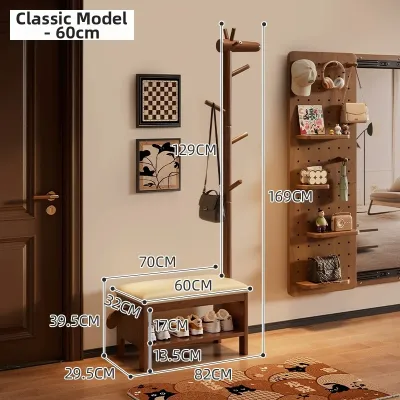
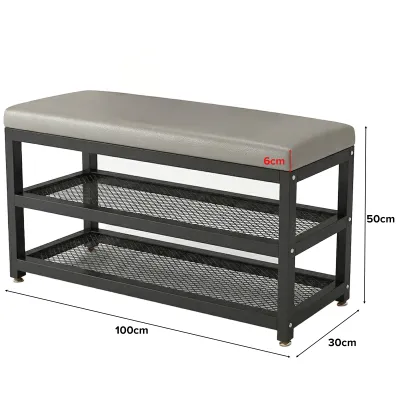
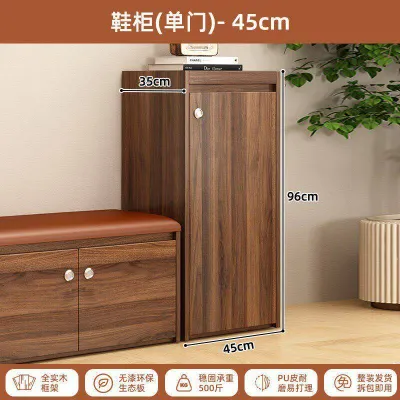
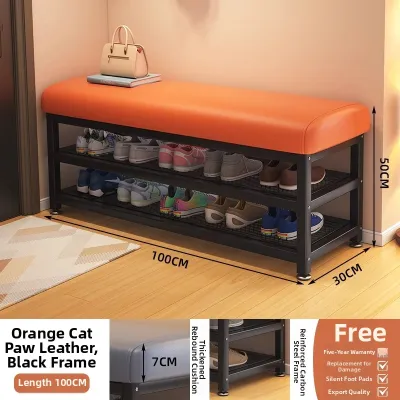
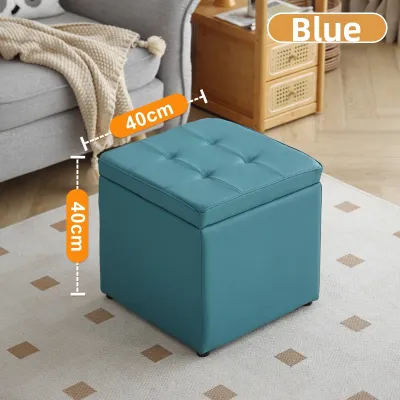
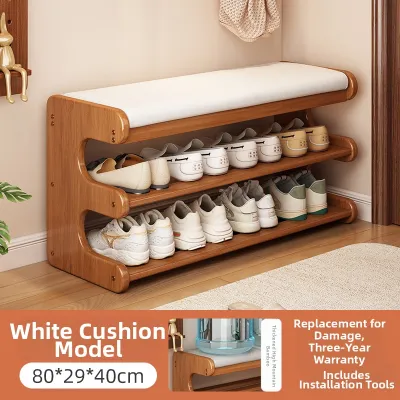
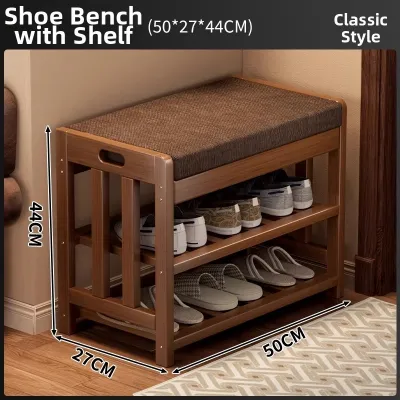
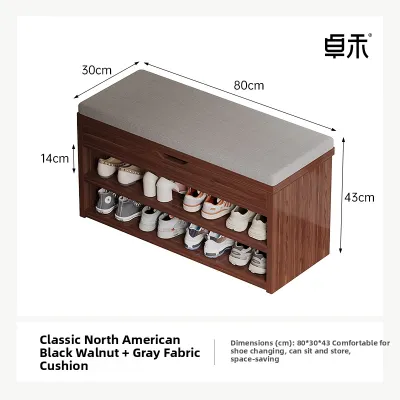
Prices are valid at publication and may change. Please refer to the product page for the latest price.
Finally, establish a clear walkway width to maintain a safe and comfortable flow of traffic. In Singapore, entryways serve as high-traffic zones where family members transition in and out of the home simultaneously. A good rule of thumb is to preserve a clear passage of at least 90 centimeters in front of the furniture. This clearance allows individuals to walk past easily, carry groceries, or maneuver strollers and mobility aids without bumping into the seating area.
Determine the Ideal Stool Shoe Rack Dimensions
Once you have mapped your floor space, you can translate those measurements into the ideal dimensions for your stool shoe rack. The depth of the unit is the most critical factor in preventing walkway obstruction. Standard shoe racks typically range from 25 centimeters to 35 centimeters in depth. For tight HDB entryways, a shallow profile of approximately 30 centimeters is highly recommended, as it accommodates average adult shoe sizes without protruding excessively into the corridor.

Seating height is equally important for ergonomics and daily comfort. A proper shoe bench should allow you to sit comfortably with your feet flat on the floor, making it easy to bend over and secure your footwear. Look for units with a seating height between 40 centimeters and 48 centimeters. This range matches standard dining chair heights, providing an optimal posture for both young children and older adults who may require extra stability when putting on their shoes.
The width or length of the rack determines both the seating capacity and the number of shoes you can store. Common widths range from 60 centimeters for compact, single-seat models to 100 centimeters or more for multi-person benches. When selecting the width, ensure the unit does not block access to essential wall fixtures such as light switches, electrical outlets, or your home’s distribution board (DB box) cabinet.
Match Capacity to Your Household Needs
To choose the right size, you must also calculate your household’s storage requirements. A stool shoe rack is best utilized as a landing pad for active, daily-wear shoes rather than a long-term storage solution for your entire collection. Estimate the number of pairs each family member wears on a regular basis, such as school shoes, work heels, or daily sandals. A compact 60-centimeter rack with two tiers typically accommodates four to six pairs of adult shoes, while an 80-centimeter unit can hold up to eight pairs.
If you have a larger household, you will need to decide whether to prioritize open shelving or closed compartments. Open shelves allow for quick, grab-and-go access and promote natural air circulation, which is highly beneficial in Singapore’s humid climate to prevent moisture buildup and odors. Closed compartments, such as drawers or cabinets with doors, offer a cleaner and more minimalist aesthetic but may slightly reduce the usable internal depth and require regular airing out.
Additionally, consider the height clearance between the internal shelves. Standard shelves are designed for flat shoes like sneakers, flats, and sandals. If your daily footwear includes high-top sneakers, boots, or high heels, look for a rack that features adjustable shelves or a taller side compartment. This flexibility prevents your shoes from being crushed or bent out of shape while maximizing the available vertical space.
Check Clearance, Door Swings, and Safety
Safety and structural integrity should never be overlooked when selecting entryway furniture. Because this unit functions as a seat, you must verify its weight capacity before purchasing. A reliable stool shoe rack should be constructed from sturdy materials such as solid wood, reinforced metal, or high-density engineered wood. Check the manufacturer’s product specifications to ensure the bench is rated to support the weight of a seated adult safely, typically aiming for a capacity of at least 100 kilograms.
Stability is another crucial safety factor, especially if you have young children or elderly relatives living with you. Ensure the rack sits perfectly level on your entryway tiles without wobbling when weight is applied. If you select a taller model or a unit with a very narrow base, check if the manufacturer provides wall-anchoring hardware to prevent accidental tip-overs. Placing heavier shoes on the bottom shelves also helps lower the unit’s center of gravity, enhancing overall stability.
Lastly, double-check all clearances one final time before finalizing your purchase. Ensure that the placement of the stool does not obstruct access to nearby rooms, built-in storage cabinets, or the household shelter door. By verifying these small details, you can enjoy a beautifully organized entryway that enhances your daily routine without compromising on safety or space.
Frequently Asked Questions (FAQ)
Can a stool shoe rack block the main door from opening fully?
Yes, if the dimensions of the rack are not planned carefully, it can easily obstruct the path of your main door or metal gate. To prevent this, always measure the door swing arc by opening the door completely and marking its path on the floor before buying. If space is limited, consider shifting the rack further down the wall, choosing a shallower model, or placing it on the hinge side of the door where it is less likely to interfere with the opening angle.
What is the standard seating height for a shoe rack stool?
The standard seating height for a shoe rack stool typically ranges from 40 centimeters to 48 centimeters. This ergonomic range allows most adults to sit comfortably with their feet flat on the floor, making it easier to bend down and tie shoelaces. When checking product specifications, remember to account for the thickness of any built-in seat cushions, as these will add to the overall height of the unit.

Community discussion
Share your experience or ask a question. Comments are reviewed before publication.