
For a typical compact HDB entryway, the most effective stool shoe rack dimensions generally feature a shallow depth of 30 to 35 centimetres, a height of 40 to 45 centimetres for comfortable seating, and a width of 60 to 80 centimetres to accommodate two to three pairs of shoes per tier. Choosing the ideal size is not about finding a universal standard, but rather balancing your household’s daily shoe storage needs with the physical limitations of your foyer. By matching the rack’s footprint to your specific layout, you can ensure a comfortable spot to put on your shoes without creating a bottleneck at your front door.
Measure Your Entryway Before Choosing a Size
Before browsing online marketplaces or visiting furniture showrooms, you must accurately assess the physical constraints of your entryway. Start by measuring the usable wall width where you plan to place the stool shoe rack. Measure from the outer edges of any skirting boards rather than the bare wall, as these baseboards prevent a flat-backed unit from sitting flush. Take note of electrical distribution boards (DB boxes), light switches, door frames, and wall-mounted fire hydrants or water meters requiring unobstructed access.
Next, map the swing arc of your main door. A common layout issue in compact apartments is a shoe rack that prevents the front door from opening fully. Open your door completely and mark its path on the floor with masking tape. The stool shoe rack must sit entirely outside this zone to prevent accidental collisions, door handle damage, or restricted entry.
Products mentioned in this guide
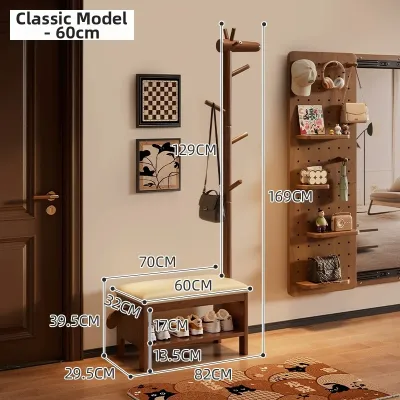
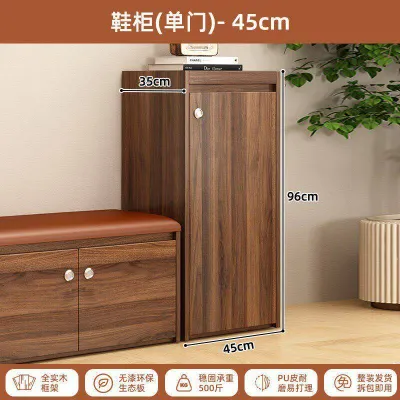
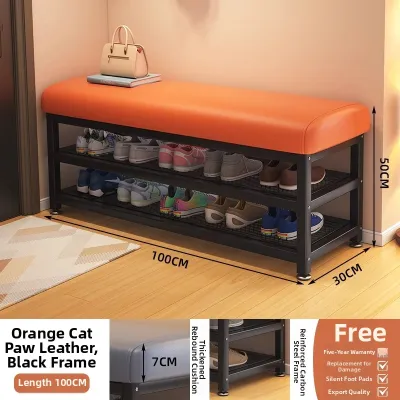
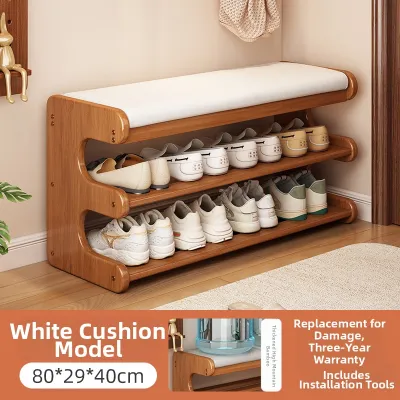
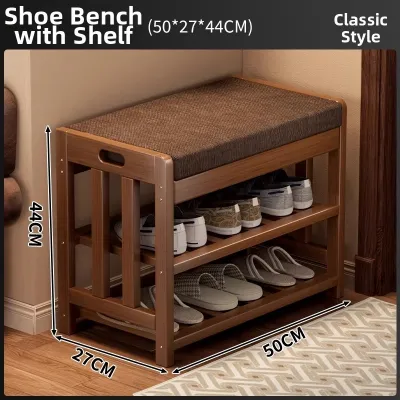
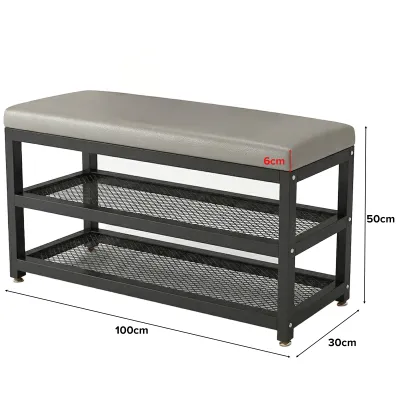
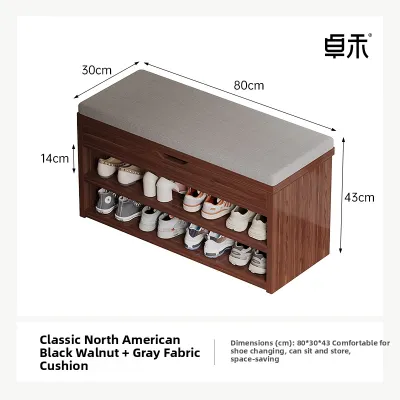
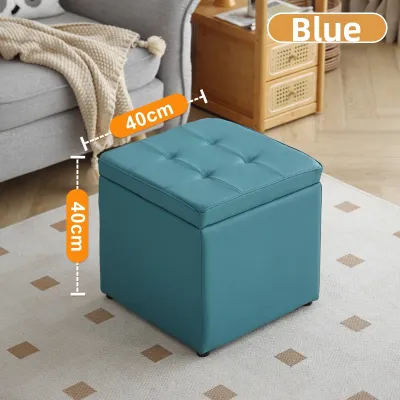
Prices are valid at publication and may change. Please refer to the product page for the latest price.
You must also calculate the remaining walking path. In narrow HDB corridors or entryways, maintaining a clear walkway of at least 90 to 100 centimetres is highly recommended. This clearance ensures family members can pass comfortably without squeezing sideways and guarantees a safe, unobstructed evacuation route.
Finally, inspect the area for structural obstacles like recessed wall niches or low-mounted utility meters. If your entryway features a recessed niche, measure its depth, width, and height precisely. Choosing a stool shoe rack that fits snugly inside a niche saves valuable floor space, but even a minor measurement error can prevent the unit from sliding into place.
Balancing Seating Comfort and Shoe Storage Capacity
Selecting the right stool shoe rack requires a careful trade-off between comfortable seating and maximum storage capacity. Begin by assessing your household size and daily shoe rotation. If you only need to store four to six pairs of frequently worn shoes near the door, a compact, single-tier bench may suffice. However, larger families or avid shoe collectors will require multi-tier storage units or vertical compartments to keep the entryway organized.

When comparing designs, consider the spatial footprint of a wide, single-tier seating bench versus a narrower, multi-tier unit with a small integrated seat. A wide bench offers a spacious seating area where two people can sit simultaneously, making it highly practical for busy mornings. On the other hand, a narrower unit with a smaller seat and multiple shelves underneath maximizes vertical storage while occupying minimal floor space.
Ergonomics play a crucial role in the usability of your shoe-changing station, especially in multi-generational households. A seat height of 40 to 45 centimetres is generally comfortable for most adults, allowing them to sit with their feet flat on the floor for stability. If you have elderly family members, a slightly higher, firmer seat is easier to rise from, whereas young children may benefit from a lower step.
To maximize utility without increasing the physical footprint, look for dual-purpose designs. Stool shoe racks with lift-up storage seats or hidden drawers provide excellent compartments for storing shoe horns, polishing kits, extra keys, or umbrellas. These integrated storage features help keep small items organized and out of sight, reducing visual clutter.
Dimension Guidelines for Compact Apartment Layouts
Different apartment layouts demand distinct sizing strategies to maintain a balanced and functional entryway. For narrow corridor entryways, prioritizing shallow-depth designs is essential. Look for slim-profile shelving or tilt-out shoe cabinets with depths of 15 to 24 centimetres. These units store shoes vertically or at an angle, significantly reducing the outward projection into the walkway. Keep in mind that very shallow, tall units may require secure wall anchoring to prevent tipping when you sit down.
If your home features an open-plan or square foyer that transitions directly into the living room, you have more flexibility. In these layouts, a wider, low-profile bench design can serve as a subtle spatial divider, anchoring the entryway zone without creating a heavy visual barrier. A low bench keeps sightlines open, making the entire living space feel larger and more welcoming.
Height is another critical dimension to consider. Low-profile units that sit below window sill or light switch levels help maintain an airy, spacious feel. Conversely, taller vertical storage units utilize unused wall space efficiently but can feel imposing in a tight foyer. If you choose a taller unit, balance its visual weight by selecting lighter colours or open-shelving designs.
Always perform a proportion check before making a final decision. The dimensions of your stool shoe rack should feel balanced relative to the ceiling height and adjacent walls. A massive, bulky cabinet in a tiny foyer can make the entire entrance feel cramped and dark, whereas an undersized stool might look lost and fail to provide adequate storage.
Space-Saving Features for Small Footprints
Modern furniture designs offer several innovative features tailored specifically for tight apartment entryways. Foldable or retractable seating mechanisms are excellent space-savers. These designs feature a seat that folds down flat when you need to put on your shoes and snaps back flush against the wall or cabinet frame when not in use, completely freeing up the floor space.
Wall-mounted or floating stool shoe racks are another highly effective option. By suspending the unit off the floor, you keep the ground clear, which makes sweeping and mopping much easier. The open space underneath the floating rack also serves as a convenient, out-of-sight spot to slide in everyday slip-ons or house slippers, keeping the main shelves reserved for cleaner footwear.
Modular or expandable units provide long-term flexibility as your household needs evolve. These systems allow you to adjust the width of the shelves or stack additional storage tiers vertically over time. This adaptability is particularly useful if you decide to rearrange your entryway layout or move to a different home in the future.
Additionally, look for units that integrate slim hooks, side pockets, or dedicated umbrella holders. Consolidating these entryway essentials into a single furniture footprint eliminates the need for separate key bowls or umbrella stands. This integrated approach keeps your foyer organized, streamlined, and free of unnecessary visual clutter.
Common Sizing and Placement Mistakes to Avoid
Avoid common measurement oversights that can lead to an impractical or obstructive entryway setup. One frequent mistake is forgetting to account for the thickness of baseboards or skirting boards. If your walls have skirting boards, a standard flat-backed shoe rack cannot sit flush against the wall, leaving an awkward gap of one to two centimetres. This gap not only collects dust but can also cause the unit to wobble when sat upon, compromising its stability.
Another oversight is neglecting the knee and leg clearance required when sitting down. When you sit to put on or take off shoes, your knees naturally bend forward, requiring additional space in front of the stool. If you place a deep shoe rack in a narrow corridor, you may find that your knees hit the opposite wall or door frame, making the seating area uncomfortable and difficult to use.
Selecting a depth that is too generous for your corridor can also create a persistent bottleneck. While a deep, plush cushion might look inviting in a showroom, a unit that projects too far into a high-traffic walkway will constantly get in the way when you are carrying groceries, maneuvering strollers, or moving luggage.
Finally, do not ignore the internal shelf thickness and structural frames of the shoe rack. The external dimensions of a cabinet do not always represent the actual usable storage space. Thick wooden panels, drawer slides, and internal dividers can significantly reduce the interior width and height, meaning you might fit fewer pairs of shoes than anticipated, especially for larger shoe sizes.
Frequently Asked Questions (FAQ)
Can a stool shoe rack block the main door from opening fully?
Yes, an improperly sized or poorly positioned stool shoe rack can easily obstruct your main door. To prevent this, measure the door’s swing radius by tracing its path on the floor and ensure the rack is placed entirely outside this arc. You must also check for door handle clearance and ensure the rack does not interfere with the door’s ability to open to at least a 90-degree angle, which is essential for safe emergency egress and moving large household items.
What is the standard height for a comfortable shoe-changing stool?
A comfortable shoe-changing stool typically ranges between 40 and 45 centimetres in height. This ergonomic range allows most adults to sit comfortably with their feet flat on the floor, providing optimal stability and leverage when bending over to tie laces or slip on footwear. For households with young children or elderly family members, verify that the seat height is easy to access and rise from safely before finalizing your purchase.

Community discussion
Share your experience or ask a question. Comments are reviewed before publication.