
Finding the right standing clothes rack for your home in Singapore requires balancing spatial efficiency, structural stability, and climate resilience. In a high-humidity environment where residential space is often at a premium, a simple hanging rail must do more than just hold garments; it must fit seamlessly into your layout without obstructing daily movement, withstand the local moisture levels without rusting, and remain stable under the weight of your wardrobe. By systematically evaluating your floor plan, checking the structural integrity of different base designs, inspecting material finishes, and matching functional features to your daily routine, you can select a durable organizer that keeps your clothes accessible and your living space clutter-free.
Assess Your Space and Layout Constraints
Before browsing online marketplaces or visiting local furniture showrooms, you must determine the exact physical footprint your new standing clothes rack will occupy. Start by measuring the available floor space in your bedroom, entryway, or service yard. It is a common mistake to measure only the base of the rack; you must also account for the lateral overhang of clothes hung on hangers, which typically adds at least 30 to 40 centimeters of depth beyond the frame itself. Ensure there is sufficient clearance around the rack so that hanging garments do not brush against walls, block electrical outlets, or interfere with window openings.
Next, consider the logistical path the rack must take to reach its final destination. If you are purchasing a fully assembled model or a large, flat-packed unit, verify the dimensions of your building’s lift, stairwells, and apartment doorways. A rack that is too tall to fit into a standard passenger elevator or too wide to navigate tight corridor corners can turn delivery day into a major headache. Checking these entry points beforehand ensures a smooth delivery and assembly process.
Products mentioned in this guide
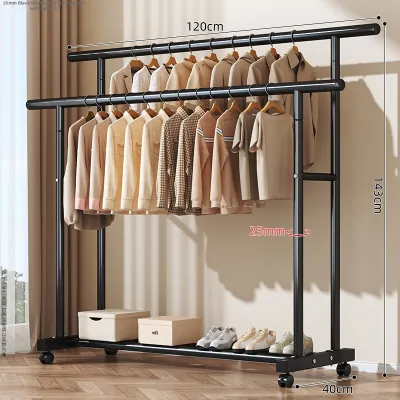


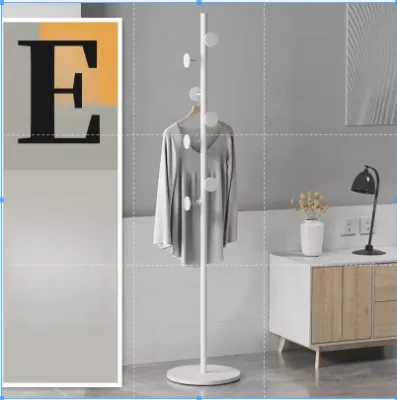
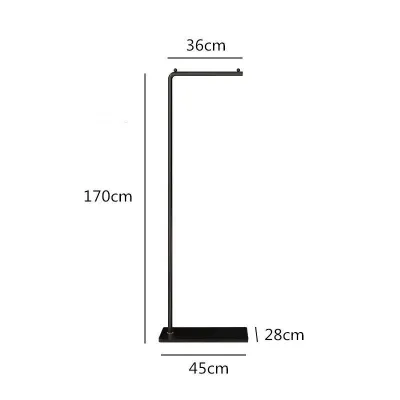
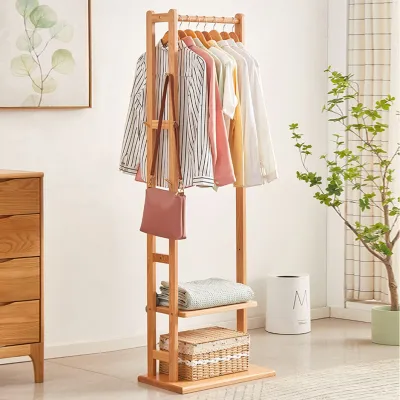
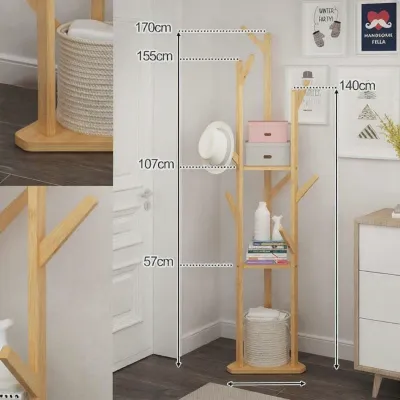

Prices are valid at publication and may change. Please refer to the product page for the latest price.
Placement within the room is equally critical for safety and convenience. Position the standing clothes rack away from high-traffic walkways, doorway swing paths, and narrow corridors where family members might bump into it. A misplaced rack not only creates a constant hazard but also increases the risk of the unit tipping over if accidentally jarred. By dedicating a clear, low-traffic corner or wall section to your rack, you maintain a natural flow of movement throughout your home while keeping your garments neatly organized and easily accessible.
Evaluate Stability and Weight Capacity
A standing clothes rack must remain upright and steady, even when loaded to its maximum capacity with heavy garments, bags, or accessories. To ensure this stability, you must closely examine the design of the base, which is the foundation of the rack’s balance. Common configurations include wide crossbases, heavy flat metal plates, and frames equipped with lockable caster wheels. A wider base generally offers better weight distribution, but it also occupies more floor space, whereas a compact base requires a lower center of gravity or heavier materials at the bottom to prevent wobbling.

Before making a purchase, check the manufacturer’s specified maximum weight capacity and compare it realistically against your intended usage. If you plan to hang heavy items such as winter coats, denim jackets, or heavy bags, a standard lightweight rack may bow or buckle under the strain. It is wise to choose a rack with a load capacity that comfortably exceeds your estimated daily wardrobe weight, ensuring the frame is never stressed to its absolute limit.
Structural reinforcements at the joints and connection points are excellent indicators of long-term durability. Look for racks that feature welded joints, heavy-duty screws, or locking brackets rather than simple push-fit plastic connectors, which can degrade and loosen over time. A well-designed rack will concentrate its weight near the bottom, creating a low center of gravity that actively resists tipping when you pull a garment from the rail or hang a heavy bag on an outer hook.
Check Materials and Finishes for the Local Climate
Singapore’s tropical climate, characterized by high relative humidity year-round, presents a unique challenge for household furniture. Generic material names like “steel” or “wood” do not guarantee that a standing clothes rack will remain pristine over time. Instead of relying on broad material descriptions, you must inspect the specific surface treatments and finishes applied to the frame. For metal racks, look for powder-coated finishes or rust-resistant paints, which provide a protective barrier against moisture and prevent the underlying metal from oxidizing and rusting.
Carefully examine the connection points, screws, and joints of the rack, as these are common moisture traps where rust often begins. Untreated metal threads, exposed screw heads, and hollow tube interiors that lack protective coatings are highly susceptible to corrosion when exposed to humid air or damp clothes. If you notice raw, unpainted metal at the joints during assembly or inspection, it may be necessary to apply a protective silicone spray or choose a different model altogether.
Maintenance and ease of cleaning should also influence your material choice. In humid environments, dust can easily combine with moisture to form a sticky layer that encourages mold growth, particularly on natural wood or unfinished bamboo surfaces. Opt for smooth, non-porous materials that can be easily wiped down with a dry or slightly damp microfiber cloth during your regular cleaning routine. Checking the manufacturer’s care instructions will help you understand how to maintain the finish without using harsh chemicals that could strip away the protective coatings.
Match Features to Your Daily Usage Needs
To get the most utility out of your standing clothes rack, its features should align closely with your daily routine and storage habits. For instance, if you frequently rearrange your room layout or need to clear floor space for cleaning, mobility is a key feature to consider. Look for racks equipped with smooth-rolling caster wheels, ensuring that at least two of the wheels feature reliable locking mechanisms to keep the rack firmly in place once positioned.
Secondary storage options can significantly increase the organizational value of a single rack. If you need a spot for footwear, storage boxes, or folded items, a rack with integrated bottom shelves or wire baskets is highly practical. Similarly, built-in side hooks or tree-like branches near the top of the frame provide convenient hanging spots for hats, belts, umbrellas, and daily-use bags, keeping these smaller accessories from cluttering other surfaces in your home.
For those with a diverse wardrobe, adjustability offers excellent flexibility. Racks with adjustable height mechanisms or extendable hanging rails allow you to customize the frame to accommodate longer garments, such as dresses, jumpsuits, or long coats, without them dragging on the floor. This adaptability ensures that your standing clothes rack remains a functional asset even as your wardrobe collection changes over the seasons or years.
Build Your Shortlist: What to Verify Before Buying
When you are ready to compile a shortlist of potential standing clothes racks from online marketplaces or physical furniture stores, a systematic verification process will help you avoid buyer’s remorse. Start by cross-referencing the exact dimensions and weight limits of each candidate against your pre-measured room dimensions and your estimated wardrobe load. Do not rely on promotional photos, which can often make a rack appear larger or sturdier than it is in reality; always refer to the technical specification sheet.
Next, dive into user reviews and feedback, focusing specifically on long-term performance rather than initial impressions. Look for comments that mention how the rack behaves after several months of use, paying close attention to reports of wobbling, joint loosening, or early signs of rust. Reviews that highlight assembly difficulties or missing hardware can also give you a realistic preview of what to expect when the package arrives at your doorstep.
Finally, verify the retailer’s policies and assembly requirements before finalizing your purchase. Check if the rack comes with a warranty that covers structural defects or premature corrosion, and understand the terms of the return policy in case the product does not meet your expectations upon arrival. Additionally, determine whether the rack requires specialized tools for assembly or if it comes with everything needed in the box. If you prefer not to assemble the unit yourself, check if the retailer offers professional assembly services, and factor any associated fees into your overall budget in S$.
Frequently Asked Questions (FAQ)
How do I prevent a standing clothes rack from tipping over?
To prevent a standing clothes rack from tipping, always distribute the weight of your garments evenly across the entire length of the hanging rail. Avoid clustering heavy items, such as coats or bags, on one side or hanging them exclusively on outer hooks, which can easily disrupt the rack’s balance. Ensure the rack is placed on a flat, level floor surface; if your flooring is smooth or tiled, placing anti-slip rubber pads under the base or feet can prevent sliding and micro-movements that lead to instability. If you notice the frame bending, wobbling excessively, or if the joints begin to loosen over time, stop using the rack immediately and consult the manufacturer’s instructions or customer support for repair or replacement guidance.
Can I use a standing clothes rack outdoors or on a balcony?
You should only use a standing clothes rack outdoors or on a balcony if the manufacturer’s specifications explicitly state that the product is rated and treated for outdoor or wet-area use. Standard indoor clothes racks are not designed to withstand direct exposure to intense sunlight, wind, and rain, and their protective coatings will degrade rapidly under these harsh conditions, leading to rust and structural failure. If you must use an indoor-rated rack on a semi-outdoor balcony, ensure it is placed in a well-sheltered area away from driving rain. Additionally, make it a habit to bring the rack indoors during heavy downpours or periods of prolonged high humidity to preserve its structural integrity and finish.

Community discussion
Share your experience or ask a question. Comments are reviewed before publication.