
Selecting the right mattress firmness is a highly individual decision that directly impacts your sleep quality and physical health. A mattress must perform two primary functions: it must support your spine to keep it in a neutral alignment, and it must relieve pressure on your body’s sensitive joints. Achieving this balance depends on your primary sleeping position, your body weight, and any specific physical discomfort you experience.
By taking a systematic approach to evaluating your physical profile and understanding how different mattress structures behave, you can narrow down the options. This guide outlines the essential factors to consider when choosing a Sleepmed mattress, helping you make an informed decision before committing to a purchase.
Assess Your Primary Sleeping Position for Spinal Alignment
Your sleeping posture determines where your body concentrates pressure on the mattress surface. To maintain a neutral spine, different positions require varying levels of contouring and structural resistance.
Products mentioned in this guide
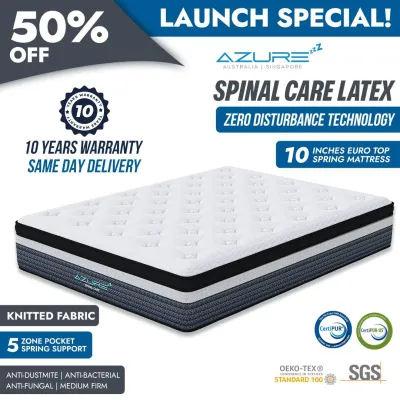
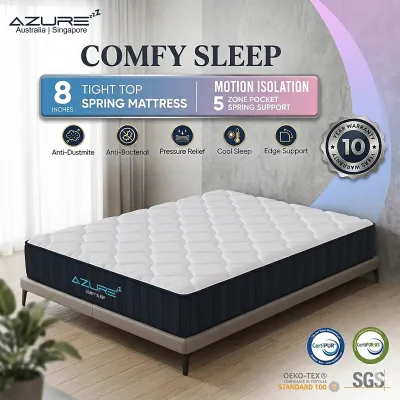


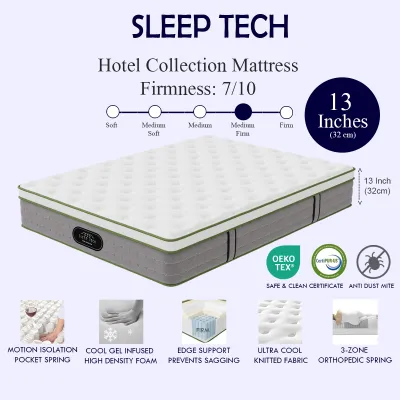
![[Bulky] DREAMAX Equinox Rest 8 Inch Comfort Pocket Spring Mattress / 20cm / Bed (SG) / sd](https://img.lazcdn.com/g/p/c25e074503162de8fade85f5c4b33c8d.jpg_400x400q80.jpg_.webp)
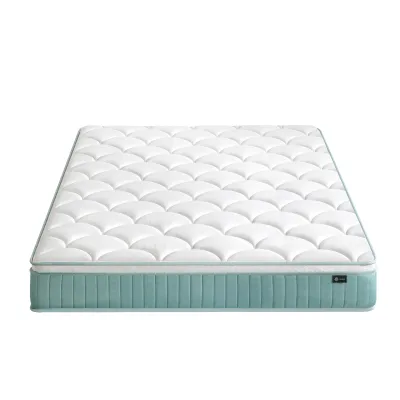
Prices are valid at publication and may change. Please refer to the product page for the latest price.
Side sleepers typically require a softer to medium mattress. When you sleep on your side, your shoulders and hips protrude deeply into the bed. If the surface is too firm, these areas will resist sinking, forcing your spine out of alignment and causing pressure points. A mattress with a plush comfort layer allows these wider points to sink sufficiently while supporting the waist and neck.
Back sleepers need a balanced surface that offers both lumbar support and gentle contouring. If the mattress is too soft, your pelvis will sink too deeply, arching your lower back unnaturally. If it is too firm, the mattress will not conform to the natural curve of your lower spine, leaving your lumbar region unsupported. A medium to medium-firm mattress generally provides the necessary pushback while cushioning the shoulders and glutes.
Stomach sleepers require a firmer surface to prevent spinal hyperextension. Because most human body weight is concentrated around the midsection, sleeping on your stomach on a soft mattress causes your hips to sag. This sag pulls the lower spine into an unnatural curve, leading to morning back strain. A firm mattress keeps your hips level with your shoulders, maintaining a flatter, safer alignment.
Combination sleepers, who rotate through multiple positions during the night, should look for a versatile medium-firm compromise. This firmness level is soft enough to cushion the shoulders when side sleeping, yet supportive enough to prevent excessive hip sinkage when rolling onto the back or stomach. Responsive comfort layers also make it easier to turn over without feeling stuck in the mattress.
Factor in Your Body Weight and Build for True Support
Firmness ratings are subjective and change depending on the weight applied to the mattress. Your body mass determines how deeply you compress the comfort layers and reach the supportive core.

Lighter individuals, typically weighing under 60 kg, exert less downward force on the mattress. Consequently, standard medium-firm mattresses may feel exceptionally hard to a lighter sleeper. If you fall into this category, you may need a mattress with thicker, softer comfort layers on top to achieve adequate contouring and pressure relief, as your body weight is not sufficient to compress firmer foams.
Average-weight individuals, between 60 kg and 80 kg, generally experience mattress firmness levels as they are advertised by the manufacturer. A standard medium or medium-firm Sleepmed mattress will provide the expected balance of surface cushioning and deep structural support for this weight range.
Heavier individuals, weighing over 80 kg, compress comfort layers much more deeply. If you have a heavier build, you run the risk of sinking straight through the soft comfort layers and resting directly on the rigid support core, which causes severe pressure points. To prevent this, look for firmer surfaces built with high-density support foams or robust pocketed coil systems. These materials provide the necessary upward resistance, maintain edge support, and prevent premature sagging.
Before finalizing your choice, always check the manufacturer’s specific weight guidelines and load capacities for the Sleepmed model you are considering. Ensuring the mattress is rated for your weight build preserves both your physical comfort and the structural integrity of the bed over time.
Address Specific Pain Points and Pressure Relief Needs
If you wake up with localized aches or stiffness, your mattress firmness may be poorly matched to your body’s pressure-relief requirements.
Lower back pain often stems from a lack of structural support, but simply choosing the hardest mattress available is rarely the solution. You must differentiate between deep structural support and surface comfort. A mattress can have a highly supportive pocketed spring core to keep your spine aligned, while still featuring a cushioned top layer to prevent painful pressure on your hips and lower back. Look for options that fill the gap in your lumbar curve without pushing your spine upward.
Shoulder and hip pain are common indicators that your mattress is too firm, particularly if you sleep on your side. When joint stiffness or soreness occurs at these contact points, it means the mattress is restricting local blood circulation. Selecting a model with a targeted pressure-relief layer, such as memory foam or latex, helps distribute your body weight more evenly across the surface, reducing the load on sensitive joints.
General morning joint stiffness can be exacerbated by a surface that offers no give. If your body is forced to conform to a rigid mattress rather than the mattress conforming to your body, your muscles remain tense throughout the night to protect your joints. A slight reduction in firmness can allow your muscles to fully relax during sleep.
While adjusting your mattress firmness can significantly improve sleep comfort, it is important to recognize the limits of a bed. If you suffer from chronic, persistent pain, consult a healthcare professional. A mattress is a tool for alignment and comfort, but it cannot replace targeted medical advice or treatment for underlying spinal conditions.
Decode Sleepmed's Firmness Ratings and Product Labels
To avoid guessing which mattress will suit you, take time to understand how Sleepmed categorizes its models and what the product specifications actually mean.
Sleepmed uses descriptive labels such as Plush, Medium, Medium-Firm, and Firm to guide buyers. Keep in mind that these ratings are relative to the brand’s own product lineup. A “Firm” mattress in a basic foam collection may feel entirely different from a “Firm” mattress in a premium pocketed spring collection due to the differences in material density and spring tension.
Read the product tags and official specifications carefully to identify the materials used in each layer. Pay close attention to the distinction between the comfort layers (the top few centimeters of foam, latex, or fiber fill) and the support core (the lower section, typically consisting of pocketed coils or high-density base foam). Pocketed coils offer localized support and minimize motion transfer, while high-density foam bases provide a solid, uniform foundation.
Compare different Sleepmed collections based on their intended sleeper profiles. Some collections are engineered specifically for orthopedic support, utilizing zoned spring systems that are firmer under the hips and softer under the shoulders. Other collections prioritize plush comfort, utilizing thick pillow tops designed for maximum pressure relief.
Always verify the exact model name and specifications before purchasing. Even within the same collection, minor variations in model names can indicate different layer configurations, which will significantly alter the overall firmness and support profile.
Final Space, Compatibility, and Trial Checks Before Buying
Before making your final purchase, you must verify several logistical and compatibility details to ensure the mattress functions correctly in your home.
First, check your bed frame compatibility. Ensure the frame’s weight capacity can support the combined weight of the mattress and the sleepers. If you use a slatted bed base, measure the distance between the slats. Slats that are spaced too far apart—typically more than 7 to 8 centimeters—can cause the mattress to sag between the gaps, damaging the internal structure and potentially voiding the manufacturer’s warranty.
Next, measure your physical space and delivery path. In Singapore, navigating tight corridors, doorways, stairwells, and passenger lifts is a common challenge during delivery. Measure the finished dimensions of the mattress and compare them against the clearance heights and widths of your entryways and lift doors. A king-size mattress, for example, may not fit into standard HDB or condominium lifts if it cannot be safely angled or slightly flexed.
Review the retailer’s sleep trial policies and return conditions. Many mattress brands offer a trial period to let your body adjust to the new surface. Check the exact duration of the trial, whether there is a mandatory break-in period (often 14 to 30 days, which is the time your body takes to adapt to a new support structure), and what fees or transport charges apply if you decide to initiate an exchange or return.
Finally, examine the warranty coverage details. Understand what constitutes a manufacturing defect versus normal wear and tear. Pay close attention to the acceptable sagging depth; most warranties cover visible indentations only if they exceed a specific depth (such as 2.5 centimeters) when no weight is applied to the mattress.
Frequently Asked Questions (FAQ)
Can I change the firmness of my Sleepmed mattress later?
Yes, you can adjust the surface feel of your mattress after purchase. If your specific Sleepmed model features a dual-firmness or flippable design, you can simply turn the mattress over to access a different firmness level. If you have a single-sided mattress, adding a high-quality mattress topper made of memory foam, latex, or fiber fill can soften a surface that feels too hard. However, keep in mind that a topper cannot fix a sagging mattress or make a soft mattress firmer if the underlying support core has already lost its structural integrity.
Is a firmer mattress always better for back pain?
No, an extra-firm mattress is not a universal cure for back pain. While a firm mattress prevents your hips from sinking, an excessively hard surface can create gaps beneath your lower back, leaving your lumbar spine completely unsupported. It can also put intense pressure on your shoulders and hips, leading to joint stiffness and poor circulation. Modern sleep guidelines suggest that a medium-firm mattress typically provides the best balance of spinal alignment and pressure relief for the majority of sleepers, though your ideal choice must still factor in your specific body weight and sleeping position.

Community discussion
Share your experience or ask a question. Comments are reviewed before publication.