
Choosing the right size wooden wall shelf is a balancing act between your available wall area, the physical dimensions of the items you want to display, and the structural limits of your home’s walls. To find a suitable fit, you must look beyond simple aesthetics and evaluate how a shelf projects into your living space, how it anchors to your specific wall type, and how its depth matches your storage needs. Taking the time to measure carefully ensures your new shelving is both highly functional and visually balanced.
A well-proportioned shelf does more than hold your belongings; it enhances the room’s overall design flow. Whether you are looking to display small decorative items in a tight entryway or build a substantial home library, understanding the relationship between shelf dimensions and wall space is key. By following a systematic approach to measuring, assessing weight limits, and selecting the right configuration, you can avoid common installation pitfalls and create a secure, beautiful storage solution.
Measure Your Available Wall Space and Clearances
Before browsing for a wooden wall shelf, you must establish the absolute boundaries of your physical space. Use a reliable metal measuring tape to record the maximum width, height, and depth available on your target wall. It is helpful to visualize the shelf’s footprint by outlining its proposed dimensions on the wall using painter’s tape, which allows you to assess the visual impact from different angles in the room.
Products mentioned in this guide
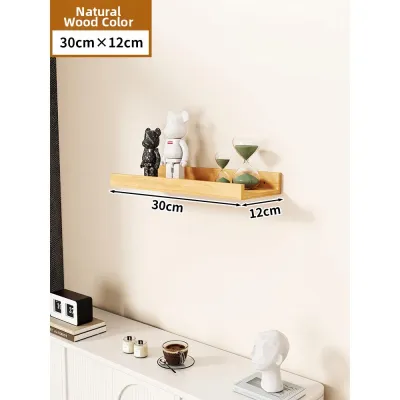
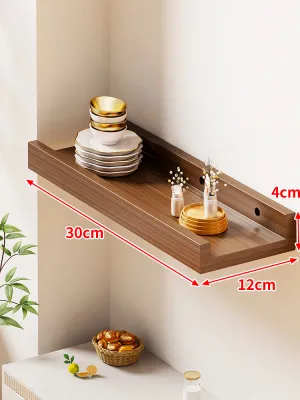
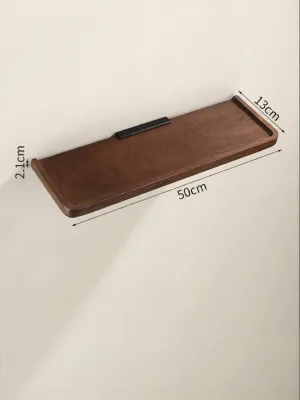
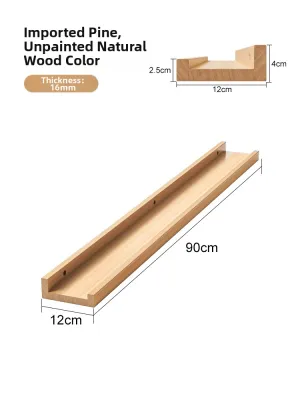
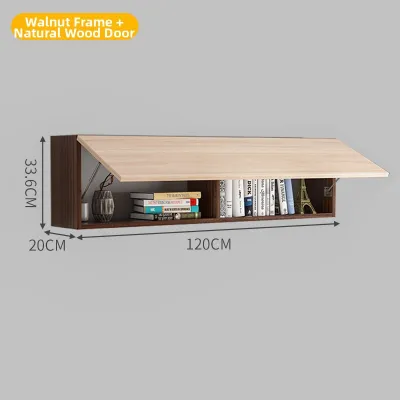
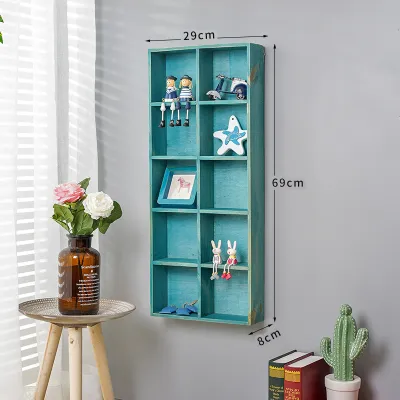
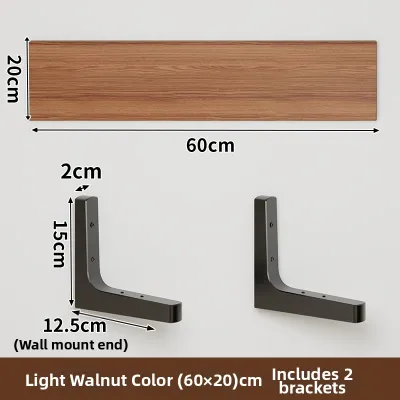
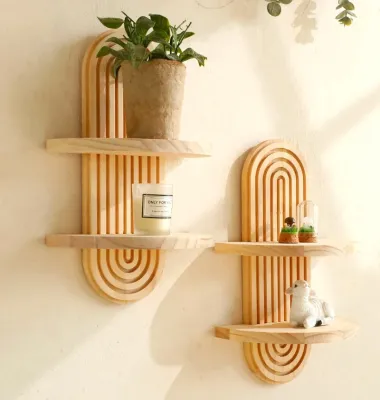
Prices are valid at publication and may change. Please refer to the product page for the latest price.
Clearance is a critical factor that is easily overlooked during the planning phase. Ensure the shelf will not obstruct the swing of nearby doors, cabinet fronts, or window frames. You must also maintain a safe distance from light switches, electrical outlets, wall-mounted air conditioning units, and high-traffic walking paths where family members might accidentally bump into the shelf corners.
For homes with tight layouts, such as urban apartments, vertical clearances are just as important as horizontal ones. If you plan to mount a shelf above a sofa, desk, or bed, ensure there is enough headroom to prevent anyone from hitting their head when sitting down or standing up. Additionally, if you are purchasing a large, pre-assembled wooden shelving unit, measure your building’s lift doors, narrow corridors, and entryways to confirm the piece can be safely transported into your home.
Match Shelf Dimensions to Your Intended Items
The items you plan to store or display should dictate the physical dimensions of your wooden wall shelf. Different objects require vastly different depths and vertical clearances to sit securely and look visually balanced. For example, small decorative items, photo frames, and spices require relatively shallow shelves, whereas heavy textbooks, storage baskets, and large potted plants need a much deeper surface.

To determine the ideal depth, gather a representative sample of the items you intend to place on the shelf and measure their bases. A shelf that is too shallow will cause items to overhang precariously, creating a safety hazard and an untidy appearance. On the other hand, choosing a shelf that is excessively deep for small items creates unnecessary visual bulk, projects too far into your living space, and makes items at the back difficult to reach.
If you are planning a multi-level or tiered shelving setup, you must also calculate the vertical spacing between each board. Measure the height of your tallest item and add a comfortable buffer of at least five to ten centimeters. This extra clearance ensures you can easily retrieve and replace items without scraping the shelf above or damaging your belongings.
Evaluate Weight Capacity and Structural Limits
Ensuring your wooden wall shelf is structurally sound requires a clear understanding of your wall type and the mounting hardware you use. In many modern residential buildings, walls are constructed from solid concrete, brick, or drywall partitions. Each of these materials has vastly different load-bearing capabilities and requires specific anchoring systems to prevent the shelf from pulling away from the wall.
Solid concrete and brick walls offer high stability and weight capacity, provided you use high-quality masonry plugs and screws. Drywall or plasterboard partition walls are much more delicate; mounting a heavy wooden shelf directly onto drywall without proper support can lead to wall damage. For drywall installations, you must locate the internal timber or metal studs using a stud finder, or utilize heavy-duty hollow-wall anchors if mounting between studs is unavoidable.
Always consult the manufacturer’s product labels or instruction manuals to verify the shelf’s maximum weight capacity. Keep in mind that this rating is only accurate if the shelf is installed correctly using the recommended hardware. Furthermore, the type of wood matters; solid hardwood shelves are naturally heavier than manufactured wood or softwood options, which adds to the dead load your wall must support before you even place a single item on them.
To maintain long-term structural integrity, plan the distribution of your items carefully. Place your heaviest belongings, such as dense books or large ceramic pots, directly over the mounting brackets or wall studs where the support is strongest. Distribute lighter decorative pieces toward the center and outer edges of the shelf to prevent the wood from bowing, sagging, or warping over time.
Select the Right Shelf Style and Configuration
The style and configuration of your wooden wall shelf play a major role in how it functions and how it fits into your room’s layout. Single floating shelves offer a sleek, minimalist aesthetic that works beautifully in modern spaces, but they rely on internal mounting brackets that typically support less weight than external brackets. If you need to store heavy items, a shelf supported by visible decorative brackets or a multi-tier wall unit may be a more practical choice.
For rooms with limited floor space, corner shelves are an excellent way to utilize underused areas without encroaching on main walking paths. However, because corner shelves are triangular, their usable surface area is inherently limited, meaning they are best suited for smaller decorative items rather than large storage boxes. Multi-tier configurations, on the other hand, maximize vertical wall space, making them ideal for home offices, kitchens, and pantries.
When selecting a style, pay close attention to design features that might alter the usable dimensions of the shelf. For instance, shelves with raised protective lips or integrated under-shelf drawers can reduce the actual flat surface area available for your items. Always check the manufacturer’s specifications for the “usable depth” rather than relying solely on the overall external dimensions of the product.
Common Sizing Mistakes to Avoid
One of the most common mistakes when choosing a wooden wall shelf is assuming your walls are completely flat and plumb. Older masonry walls or uneven plaster can prevent a long, rigid wooden board from sitting flush against the wall surface, resulting in unsightly gaps or misaligned mounting brackets. Always check your wall’s flatness with a level before finalizing your purchase, and consider shorter shelves if your walls are significantly uneven.
Another frequent error is failing to account for the visual volume of your items once they are placed on the shelf. A shelf that looks well-proportioned when empty can quickly feel cramped and cluttered when packed with books, plants, and decor. To avoid a chaotic look, choose a shelf that is slightly longer than your immediate storage needs, allowing for open space between items to let the wall “breathe.”
Finally, do not prioritize maximum shelf size at the expense of your daily comfort and room functionality. A shelf that projects too far into a narrow hallway, dining area, or bedroom walkway will inevitably lead to bumped shoulders and restricted movement. Always prioritize a comfortable, unobstructed flow of traffic through the room over maximizing your wall storage capacity.
Frequently Asked Questions (FAQ)
How deep should a wooden wall shelf be for standard books?
Standard paperbacks and novels typically fit comfortably on a wooden wall shelf with a depth of 15 to 20 centimeters. However, larger hardcovers, art books, and textbooks often require a depth of 25 to 30 centimeters to sit securely. Because book dimensions vary widely across different genres and publishers, the most reliable approach is to physically measure the depth and height of your own book collection before purchasing a shelf to ensure a secure fit.
Can I install a long wooden shelf without middle brackets?
Installing a long wooden shelf without intermediate support is highly discouraged, as it significantly increases the risk of bowing and structural failure. The maximum span a shelf can support without sagging depends on the wood’s thickness, its material rigidity, and the weight of the items placed on it. Softwoods and manufactured woods like MDF sag much faster under load than dense hardwoods. Always consult the manufacturer’s guidelines for recommended bracket spacing, and install a middle bracket for any extended spans to ensure safety.

Community discussion
Share your experience or ask a question. Comments are reviewed before publication.