
Selecting the ideal wooden storage shelf for a Singapore home requires balancing storage capacity with the physical realities of compact urban living. Whether you are furnishing a newly renovated BTO flat or optimizing a cozy condominium, choosing the wrong dimensions can quickly lead to a cramped room, blocked walkways, or furniture that simply cannot fit through your front door. Finding the right balance involves understanding how height, width, and depth interact with your specific floor plan, structural needs, and the unique tropical climate of Singapore.
To choose the right size wooden storage shelf, you must measure your available floor footprint while accounting for baseboards and wall obstructions, verify that the delivery package can navigate your building’s access routes, and match the shelf’s depth and weight capacity to the items you intend to store. By taking a systematic approach to these dimensions, you can maximize your vertical storage potential without sacrificing the flow and comfort of your living space.
Measure Your Available Space and Access Routes
Before browsing designs online or visiting a showroom, you must establish the exact physical boundaries of the intended placement area. Use a metal measuring tape to record the length and width of the floor footprint. Do not rely on eye measurements or general floor plans, as actual wall-to-wall dimensions can vary. When measuring, account for skirting boards, which typically protrude 1.5 to 2 centimeters from the wall, preventing flat-backed furniture from sitting completely flush. You must also note the locations of power outlets, light switches, and air-conditioning trunking. Blocking these utilities not only limits their accessibility but can also create safety hazards or complicate future maintenance.
Products mentioned in this guide
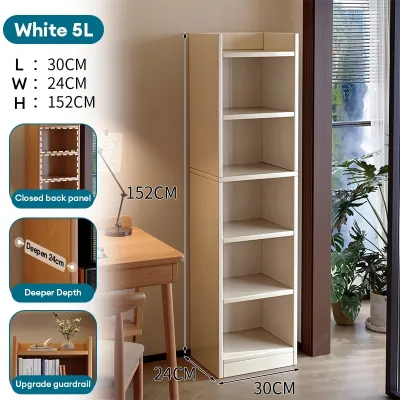
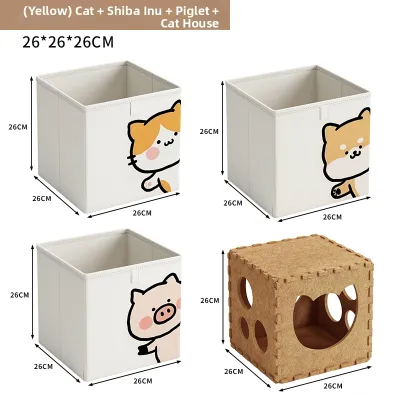
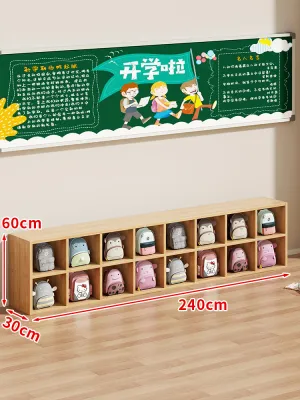
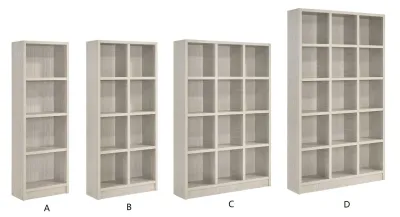
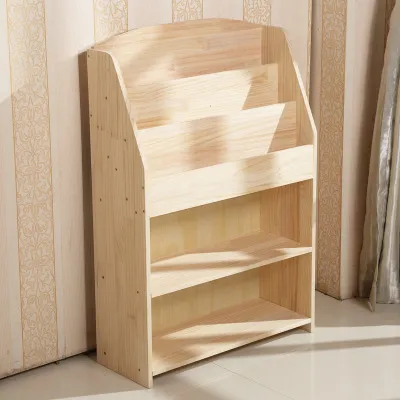
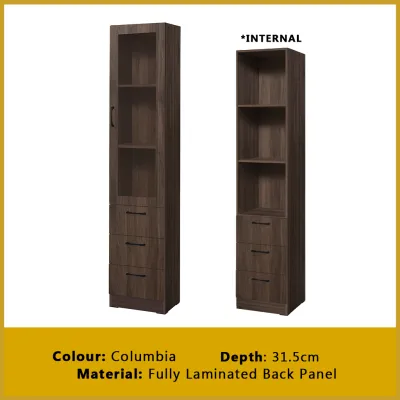
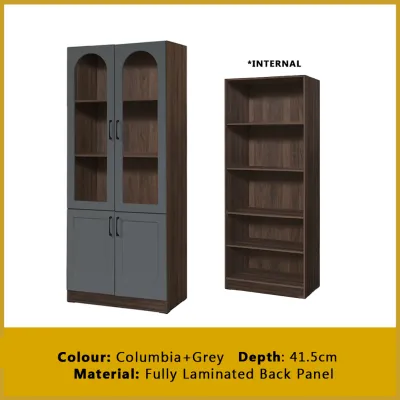
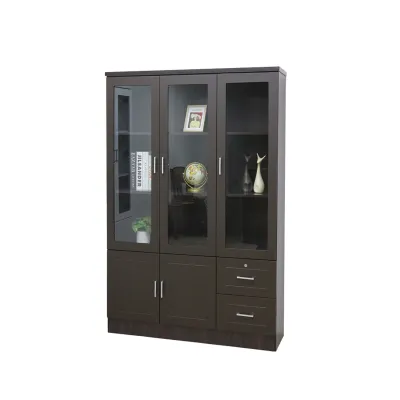
Prices are valid at publication and may change. Please refer to the product page for the latest price.
In Singapore’s high-humidity environment, leaving adequate clearance for ventilation is essential. When positioning a wooden shelf, aim for a gap of at least 2 to 5 centimeters between the back of the unit and the wall. Stagnant, humid air trapped behind heavy wooden furniture is a primary cause of mold growth, which can damage both your wall paint and the wood finish. Proper airflow helps regulate moisture levels and preserves the integrity of your storage unit over time.
Logistical constraints are another critical factor that homeowners frequently overlook. You must measure every entry point and access route that the furniture must travel through to reach its final spot. This includes the interior dimensions of your building’s lift cabin, the width of the common corridor, the clearance of the lift lobby, and the height of your main entrance door. If you are purchasing a pre-assembled wooden shelf, these dimensions are non-negotiable. Even for flat-pack units, the packaged boxes can be exceptionally long and heavy, requiring sufficient turning clearance in tight condo hallways or stairwells.
Finally, measure your ceiling height from floor to plaster. Standard HDB ceilings typically hover around 2.6 meters, while condo ceilings may vary. Knowing this height helps you determine the maximum viable shelf height. A unit that is too tall can visually overpower a small room, block the airflow from ceiling fans, or interfere with recessed downlights and track lighting systems.
Decoding Shelf Dimensions: Finding the Right Rack Storage Shelf Wooden Unit
To select a highly functional rack storage shelf wooden unit, you must break down its three primary dimensions: height, width, and depth. Each of these parameters directly influences the unit’s storage capacity, structural stability, and visual impact on your room.

Height: Utilizing Vertical Space Safely
Tall wooden shelves are highly effective for drawing the eye upward, creating an illusion of loftiness in compact HDB living rooms or bedrooms. Utilizing vertical space allows you to expand your storage capacity without consuming precious floor real estate. However, you must consider the practical limits of human reach. Shelves higher than 1.8 meters generally require a sturdy step stool for safe access. Reserve these upper tiers for seasonal items, archival documents, or decorative pieces that do not require daily handling.
Safety and visual balance also dictate the ideal height limit. Always leave a physical gap of at least 15 to 30 centimeters between the top of the shelf and your ceiling. A freestanding wooden rack that sits flush against the ceiling can make a room feel boxy and claustrophobic. This gap also ensures that light from ceiling fixtures can disperse naturally across the room and prevents the top of the shelf from blocking air circulation.
Width: Balancing Capacity and Room Flow
When determining the width of your wooden shelf, measure your available wall span and decide whether a single wide unit or multiple narrow, modular units will serve your space better. Modular configurations offer greater long-term flexibility, allowing you to split the units across different rooms if you relocate or decide to rearrange your layout in the future.
Width is also intrinsically linked to structural integrity. A wider shelf span means that the horizontal boards must support weight over a longer distance. Without intermediate vertical supports or exceptionally thick timber, wide shelves are highly susceptible to sagging under heavy loads.
Additionally, you must maintain clear, unobstructed walkways around the unit. In high-traffic areas like living rooms, dining spaces, or narrow condo entryways, ensure there is a minimum passage width of 70 to 90 centimeters. This clearance allows family members to walk past comfortably without bumping into the corners of the shelf.
Depth: Aligning with Your Storage Needs
Shelf depth determines what types of items you can store and how far the unit will protrude into your living space. Standard depths generally fall into three categories:
- Shallow (15 to 25 cm): Ideal for paperbacks, CD collections, picture frames, and small decorative items. These are excellent for narrow hallways or behind doors where space is tight.
- Medium (30 to 35 cm): The standard range for textbooks, office binders, standard storage baskets, and general home organization.
- Deep (40 to 50 cm): Necessary for large plastic storage bins, folded linens, kitchen appliances, or board game boxes.
Avoid choosing excessively deep shelves for small rooms. Deep units take up valuable floor space and often lead to poor organization, as items get pushed to the back, hidden from view, and forgotten. To ensure a clean fit, measure the dimensions of any specific storage bins, organizer boxes, or large items you already own before purchasing your shelf. The shelf depth should be at least 2 centimeters deeper than your largest storage box to prevent it from hanging over the edge.
Wooden Shelf Considerations: Thickness and Load Limits
Because wood is a natural, flexible material, its structural behavior changes based on the dimensions of the shelf and the weight it carries. Understanding these physical limits is essential to prevent your shelves from bowing, warping, or collapsing over time.
The relationship between shelf depth, width, and board thickness is critical. As a general rule, a shelf span exceeding 80 centimeters requires a board thickness of at least 1.8 to 2.5 centimeters to support standard books without noticeable deflection. If you opt for wider spans, look for units that incorporate central vertical dividers, metal support brackets, or solid wood back panels that reinforce the horizontal structure.
Never assume that all wooden shelves possess the same load-bearing capacity. You must check the manufacturer’s specified load limits per tier before purchasing. These specifications vary dramatically depending on the wood type and construction quality:
- Solid Wood: Hardwoods like teak, oak, and mahogany offer excellent natural strength and resistance to bowing. They are highly durable and suitable for heavy book collections or kitchenware, though they represent a higher financial investment.
- Engineered Wood (MDF and Particleboard): These materials are cost-effective and lightweight, making them popular for budget-friendly shelving. However, they have lower weight thresholds and are more vulnerable to sagging, especially in humid conditions. If choosing engineered wood, ensure it features a high-quality, moisture-resistant laminate or veneer finish.
Regardless of the material, weight distribution is key to maintaining stability. Always place your heaviest items—such as large storage boxes, heavy appliances, or thick reference books—on the bottom shelves. This keeps the unit’s center of gravity low, reducing the risk of tipping. Additionally, examine the joining mechanisms used in the shelf’s construction. High-quality dowels, heavy-duty screws, and interlocking joinery provide significantly better structural stability and long-term durability than simple glue or thin plastic shelf pins.
Common Sizing and Placement Mistakes
Avoiding common pitfalls during the selection and installation process can save you from buyer’s remorse and potential safety hazards in your home.
- Ignoring Skirting Boards: Failing to account for the thickness of your baseboards means your shelf cannot sit flush against the wall. This creates an unsightly gap where dust accumulates and makes it difficult to anchor the shelf securely. Look for wooden shelves designed with a base cutout that accommodates standard skirting boards.
- Overlooking Fixed Shelf Spacing: Buying a wooden shelf with fixed, non-adjustable tiers can severely limit your storage options. If you need to store items of varying heights, such as tall vases, binders, or oversized children's books, prioritize units with pre-drilled peg holes that allow you to adjust the height of each individual shelf.
- Neglecting Anchoring Requirements: Many homeowners assume that a tall, heavy wooden shelf is stable enough to stand on its own. However, any unit taller than 1.2 meters poses a serious tip-over risk, particularly if it is placed on carpet, uneven flooring, or if children or pets attempt to climb it. Always check the manufacturer's instructions regarding wall anchoring. Secure the unit to your wall using appropriate L-brackets and wall plugs suitable for your wall type (e.g., concrete anchors for standard HDB masonry walls).
- Misjudging Visual Weight: A massive, dark-stained solid wood shelf with thick side panels can make a small condo bedroom or study feel incredibly cramped and dark. If you are working with limited space, opt for open-back shelving designs, lighter wood finishes (such as oak, rubberwood, or birch), or units with slim frames to preserve an airy, spacious feel.
- Forgetting Floor Leveling: Older HDB flats and even some newer developments can have slightly uneven concrete floors. A tall wooden shelf placed on an uneven surface will tilt, causing doors to misalign and increasing instability. Check if the shelf comes with adjustable leveling feet, or be prepared to use discreet furniture shims to level the base during installation.
Frequently Asked Questions (FAQ)
How much clearance should I leave around a freestanding wooden shelf?
You should leave a clearance gap of at least 2 to 3 centimeters between the back of your wooden shelf and the wall to facilitate proper air circulation. In Singapore’s humid climate, this ventilation gap is crucial for preventing mold and mildew growth on both the wood and your wall. Additionally, allow at least 5 to 10 centimeters of clearance on the sides if the shelf is positioned near window curtains, door swing paths, or air-conditioning units to avoid physical obstruction and protect the wood from direct condensation.
Is a floor-to-ceiling wooden shelf practical for standard HDB ceilings?
While a floor-to-ceiling look offers a clean, built-in aesthetic, freestanding units designed to touch the ceiling are rarely practical. Standard HDB ceilings often have minor height variations, and floors are seldom perfectly level, making a tight-fitting freestanding unit incredibly difficult to assemble and stand upright without damaging your plaster. Instead, opt for a tall freestanding shelf that stands around 2.0 to 2.2 meters high. This leaves a manageable gap at the top that is easy to dust, allows air to circulate freely, and accommodates ceiling fans safely.

Community discussion
Share your experience or ask a question. Comments are reviewed before publication.