
Finding the right size wooden clothes drawer for a Singapore Housing & Development Board (HDB) bedroom requires balancing storage needs with tight spatial realities. Because modern HDB bedrooms—especially in newer Build-To-Order (BTO) flats—have highly optimized floor plans, selecting furniture is no longer just about style. A drawer unit that is too deep can block walkways, while one that is too wide might prevent your bedroom door or wardrobe from opening fully.
To make a successful choice, you must evaluate your room’s layout, measure clearances with precision, and select a configuration that complements your existing furniture footprint. By focusing on physical dimensions and functional clearances, you can find a wooden drawer unit that enhances your storage without compromising the flow of your room.
Assessing Your HDB Bedroom Space Constraints
HDB bedrooms present unique architectural layouts that directly influence where you can place freestanding furniture. Whether you are furnishing a master bedroom or a smaller common bedroom, the available floor area is often constrained by structural elements. Before browsing online marketplaces or visiting showrooms, you must map out the fixed features of your room.
Products mentioned in this guide
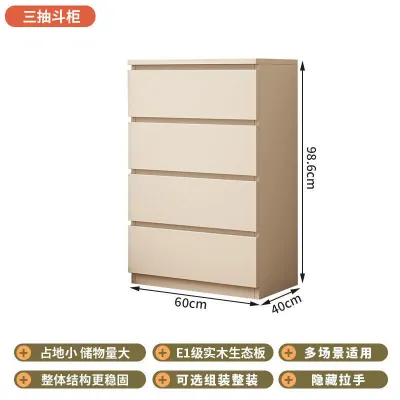
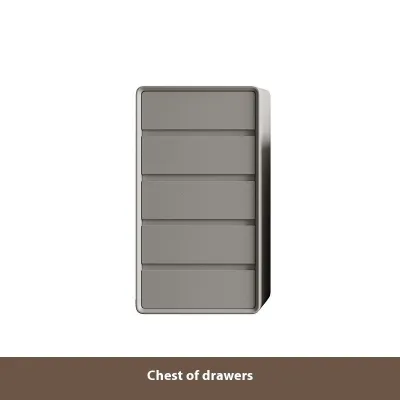
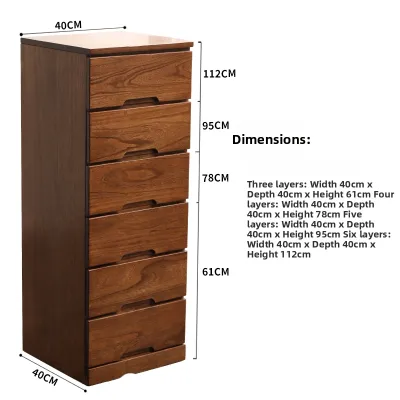
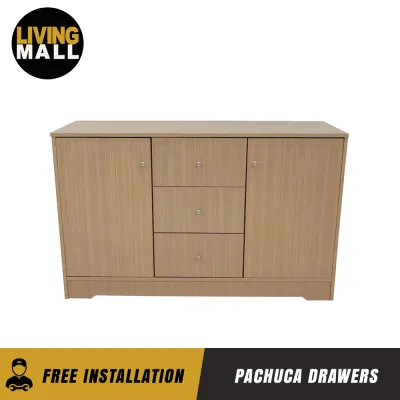
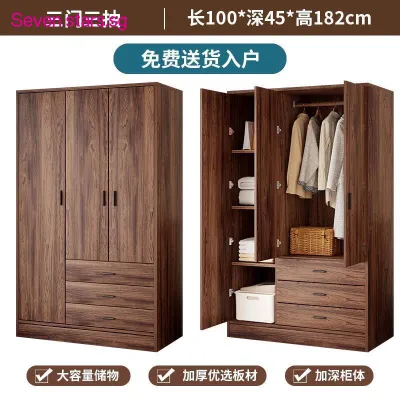
![[CozyNest ][ SG ] ⚡ Solid Wood Wardrobe Storage Cabinet Wardrobe Cabinet 2/3/4/ Doors Wardrobe with Drawers](https://img.lazcdn.com/g/p/e5bfbb839b9b36cfda8bb289639ec8c8.jpg_webp_400x400q80.jpg_.webp)
Prices are valid at publication and may change. Please refer to the product page for the latest price.
Look closely at the placement of built-in wardrobes, which are standard in many HDB flats. These wardrobes have fixed door swing paths or sliding tracks that cannot be obstructed. Additionally, take note of structural columns protruding from corners, air-conditioner ledges on the exterior wall that dictate window placement, and the location of electrical trunking or DB boxes.
The overall shape of your HDB bedroom also dictates your furniture arrangement. Square bedrooms offer more flexibility for centering a bed and placing drawers on adjacent walls, whereas long, narrow rectangular rooms often force you to line up all furniture along a single wall.
Finally, you must account for the footprint of your essential furniture. A queen-sized or king-sized bed occupies the majority of the floor space in an HDB bedroom. Once you factor in the bed frame, bedside tables, and perhaps a study desk or dressing table, the remaining zone for a wooden clothes drawer becomes highly defined.
Essential Measurements for a Wooden Clothes Drawer
To ensure your wooden clothes drawer fits seamlessly into your designated zone, you must take precise physical measurements rather than relying on visual estimates. Start by measuring the maximum allowable width, depth, and height of the empty wall space where you plan to position the unit.

When measuring depth, do not just measure from the wall to the edge of the bed. You must account for the skirting boards running along the base of your HDB walls. Skirting boards typically protrude by 1 to 2 centimeters, preventing the back of the wooden drawer unit from sitting completely flush against the wall unless the furniture has a specific base cutout.
Wall unevenness is another common factor in residential concrete walls. Measure the width at the floor level, the midpoint, and the top of the wall to ensure the drawer unit will not jam during installation. Additionally, locate all wall-mounted power sockets, light switches, and data ports. Placing a heavy wooden drawer unit directly in front of an active socket blocks access and can bend electrical plugs, creating a safety hazard.
Calculate the maximum furniture footprint by multiplying the allowable width by the allowable depth. This calculation gives you a hard limit to use when comparing product specifications, helping you filter out units that will overcrowd the room and restrict comfortable movement.
Matching Drawer Configurations to Room Layouts
Wooden clothes drawers come in various configurations, and matching the right shape to your specific HDB layout is key to maximizing storage without sacrificing floor space. For tight corners, narrow alcoves, or the small gap beside a bed, a tall and narrow drawer unit—often referred to as a tallboy or five-drawer chest—is highly effective. These units utilize vertical space, offering substantial storage capacity while maintaining a compact footprint.
Conversely, if you have an empty space beneath a bedroom window, a wide and low-profile drawer unit is more appropriate. Low chests of drawers, such as three-drawer wide units, keep the window area unobstructed, allowing natural light to flood the room. These low-profile units can also double as a vanity surface or a media console, serving a dual purpose in a compact bedroom.
When choosing a configuration, consider what items you plan to store. Shallow drawers are suitable for everyday folded clothes like t-shirts, undergarments, and activewear, as they prevent items from getting lost in deep piles. On the other hand, if you need to store bulkier seasonal items, extra bed linens, or winter wear, look for units that feature at least one or two deep bottom drawers.
Keep in mind that solid wood furniture is heavy and visually dominant. A very tall, dark wood unit can make a small HDB common room feel cramped and dark, whereas a lighter wood finish, such as oak or rubberwood, can make the space feel more open and airy.
Verifying Clearances, Walkways, and Door Swings
A drawer unit might fit well when its drawers are closed, but the real test of usability occurs when you actually use the furniture. You must verify that there is sufficient clearance for walkways, door swings, and full drawer extension.
To maintain a comfortable passage through your bedroom, aim for a minimum walkway width of 60 centimeters between the edge of the drawer unit and any facing furniture, such as the bed frame. Anything less than this will force you to walk sideways and can make the room feel claustrophobic.
Next, map out the swing arcs of all doors in the vicinity. This includes the main bedroom entry door, ensuite bathroom doors, and built-in wardrobe doors. A wooden drawer unit must never be placed where an opening door could strike its corners, as this can damage both the door and the wooden finish of your drawer.
Finally, calculate the pull-out space required for the drawers themselves. Measure the depth of the cabinet, add the length of the drawer when fully extended, and then add at least 45 to 50 centimeters of standing space for yourself. If the total required depth exceeds the distance to your bed frame, you will not be able to stand in front of the unit to access your clothes comfortably.
Inspecting Wooden Drawer Build and Safety Features
Because wooden furniture is a long-term investment, you must inspect the structural build and safety features of the unit before finalizing your purchase. Start by examining the drawer slide mechanisms. High-quality metal runners or soft-close drawer slides ensure smooth operation and prevent the drawers from sagging over time under the weight of heavy clothing. If the unit uses traditional wooden runners, check that they slide smoothly without binding, keeping in mind that wood can expand slightly in humid conditions.
Inspect the joints of the drawers. Dovetail joints or sturdy dowel constructions are indicators of durable craftsmanship, whereas simple stapled or glued joints may fail under daily use. Check the manufacturer’s specifications for the load capacity of both the individual drawers and the top surface.
Safety is paramount, especially for taller wooden drawer units. Because solid wood is heavy, a fully loaded drawer pulled out near the top can shift the center of gravity and cause the entire unit to tip forward. Always verify if the furniture includes an anti-tip wall-anchoring kit. In HDB flats with concrete walls, installing these kits requires drilling and using appropriate wall plugs to secure the unit firmly.
Lastly, inspect the wood finish and edge sealing. In Singapore’s tropical climate, untreated or poorly sealed wood can absorb moisture, leading to warping, mold growth, or joint separation. Look for protective finishes like polyurethane, lacquer, or specialized wood oils, and review the manufacturer’s care instructions to ensure the piece can withstand local humidity levels.
Frequently Asked Questions (FAQ)
Can I place a wooden clothes drawer directly under an HDB air-con unit?
It is generally advisable to avoid placing solid wooden furniture directly beneath an air-conditioning unit. While it can be done if space is extremely limited, you must maintain adequate clearance for airflow and routine maintenance access. More importantly, air-con units can occasionally drip condensation or leak water during operation or servicing. Direct exposure to water droplets can ruin a wood finish, cause the wood to swell, and encourage mold growth. If you must place the drawer unit there, ensure the wood has a highly water-resistant finish and check the air-con unit regularly for leaks.
How do I protect a wooden drawer from humidity in a Singapore bedroom?
To protect your wooden clothes drawer from Singapore’s high humidity, ensure your bedroom is well-ventilated by opening windows daily or using a dehumidifier. Avoid pushing the drawer unit completely flush against damp external walls; leave a gap of at least 2 to 5 centimeters to allow air to circulate behind the furniture. Keep the unit out of direct sunlight to prevent the wood from fading or cracking. For cleaning, follow the manufacturer’s specific guidelines, typically involving wiping with a dry or slightly damp microfiber cloth and avoiding harsh chemical cleaners that can strip the protective sealant.

Community discussion
Share your experience or ask a question. Comments are reviewed before publication.