
Finding the right wooden cabinet shelf for your HDB flat or condominium unit requires balancing storage needs with the physical realities of compact urban living. In Singapore’s residential layouts, where every square meter counts, an oversized shelf can make a room feel claustrophobic, while an undersized one fails to maximize vertical storage. To make the right choice, you must evaluate your floor plan, identify structural constraints, and understand the specific dimensions of the items you intend to store. By taking a systematic approach to measurement and spatial flow, you can select a wooden cabinet shelf that enhances both the organization and the aesthetic of your home.
Measure Your Available Space Accurately
Before browsing online marketplaces or visiting local furniture showrooms, you must establish the absolute maximum dimensions of your designated wall or floor area. Start by using a reliable steel measuring tape to record the exact width, height, and depth of the allocated space. Take measurements at multiple points—such as the top, middle, and bottom of the wall—as plastering and structural settling can cause minor variations in wall straightness.
Do not assume a blank wall is entirely usable. You must carefully account for architectural obstacles that project from the wall or floor. Skirting boards along the base of your walls will prevent a freestanding wooden cabinet from sitting completely flush against the plaster, effectively increasing the depth requirement by a few centimeters. Similarly, take note of low-hanging air-conditioning trunking, light switches, wall-mounted power outlets, and internet fiber termination points that could be blocked or rendered inaccessible by a large shelving unit.
Products mentioned in this guide
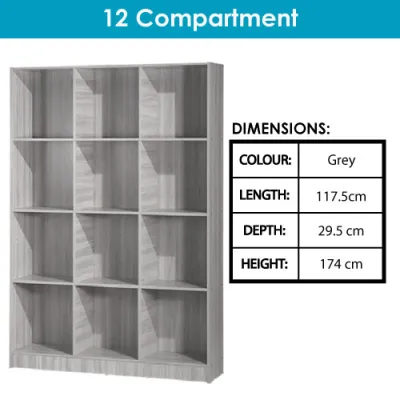
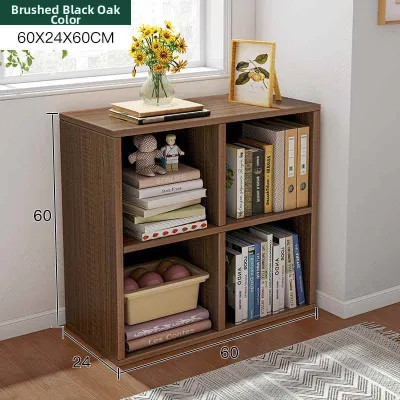
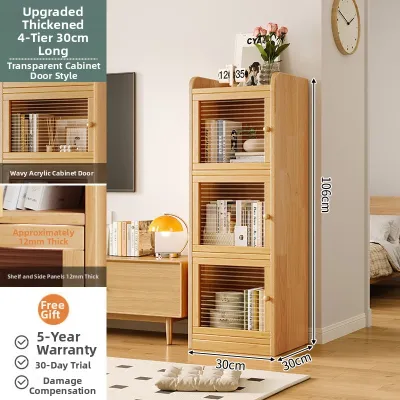
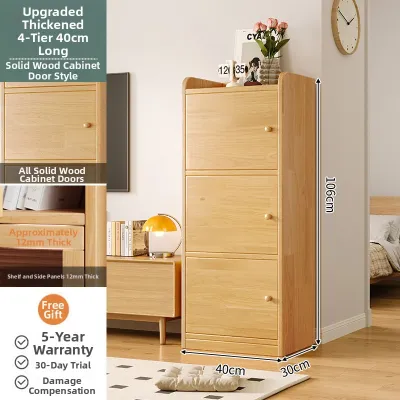
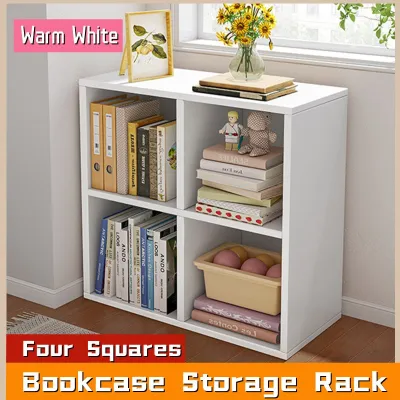
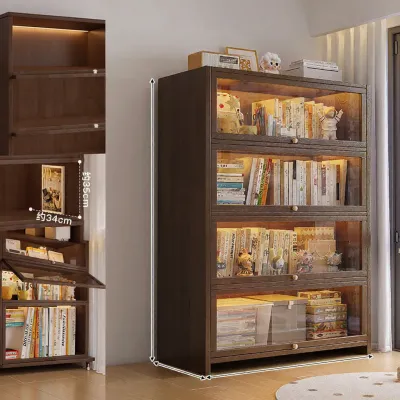
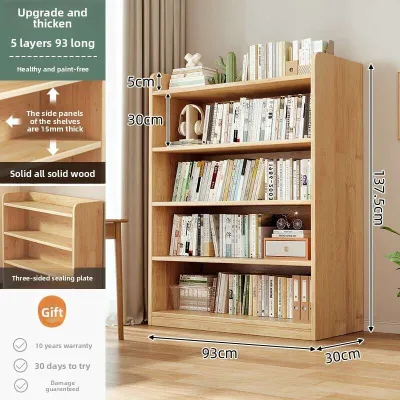
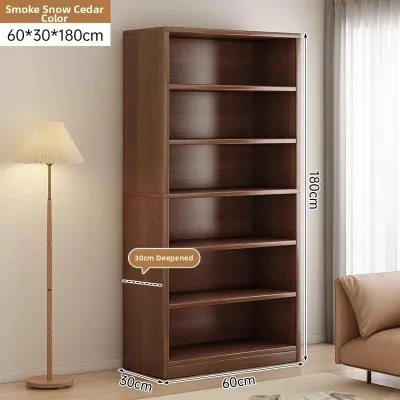
Prices are valid at publication and may change. Please refer to the product page for the latest price.
In Singapore’s tropical climate, high relative humidity levels cause natural timber to absorb moisture and expand slightly. To accommodate this natural movement and ensure a smooth installation process, always leave a small tolerance gap of at least one to two centimeters on all sides of the cabinet. This clearance prevents the wooden frame from scraping against adjacent walls during assembly and allows air to circulate, reducing the risk of mold growth behind the furniture.
Match Shelf Dimensions to Your Storage Items
The internal dimensions of your wooden cabinet shelf should be dictated entirely by the items you plan to display or store. Standard reading materials, such as paperbacks and typical novels, generally require a shelf depth of only 20 to 25 centimeters. However, if you intend to store deeper items like storage boxes, plastic organizers, large binders, or home electronics, you will need a deeper shelf depth of 30 to 40 centimeters to prevent items from awkwardly overhanging the edge.

Opting for a wooden cabinet with adjustable shelf pins or a modular design offers significant long-term flexibility. As your collection of books, decorative items, or household goods changes over time, adjustable shelves allow you to reconfigure the vertical spacing without needing to purchase new furniture. This adaptability is particularly useful in HDB and condo living, where storage needs evolve as families grow or transition to remote work setups.
You must also evaluate the thickness of the wooden shelves and the strength of their support brackets to prevent unsightly and dangerous sagging. Solid wood and high-density engineered wood shelves are sturdy, but they can still bend under the weight of heavy textbooks, ceramic dishware, or dense collectibles if the span is too wide. For heavy-duty storage, look for shelves that are at least two centimeters thick, or ensure the unit features central support brackets and shorter individual shelf spans to distribute the load evenly.
Account for Clearance, Walkways, and Door Swings
A wooden cabinet shelf must fit harmoniously within the room’s overall traffic patterns without disrupting daily movement. In compact HDB bedrooms or cozy condo living rooms, maintaining clear walkways is essential for comfortable navigation. As a general rule, try to leave a clear walkway width of at least 60 to 90 centimeters in front of the shelving unit so that family members can walk past easily without having to turn sideways.
Beyond basic walking space, you must check the swing radius of nearby doors, windows, and built-in wardrobe panels. A freestanding cabinet placed too close to a bedroom door or a balcony entrance can obstruct its path, leading to frustrating physical clashes and potential damage to both the door and the wooden shelf. If your chosen cabinet features hinged wooden doors or pull-out drawers, measure their fully extended depth to ensure they can open completely without hitting your bed, sofa, or dining table.
Additionally, consider how the height and placement of the shelf will affect the room’s environmental comfort. Avoid positioning tall wooden cabinets where they might block natural light from windows or obstruct the airflow from wall-mounted air conditioners and built-in ceiling fans. Keeping these pathways clear ensures your living space remains bright, well-ventilated, and comfortable throughout the day.
Verify Weight Capacity and Wall Mounting Conditions
Ensuring the structural safety of your wooden cabinet shelf is critical, especially when dealing with wall-mounted designs or tall, top-heavy units. You must first identify the material of the wall where the shelf will be installed. Most modern HDB flats and condominiums feature a mix of heavy concrete structural walls, hollow core blocks, and lightweight drywall partitions. Concrete walls offer excellent load-bearing capacity but require a hammer drill and masonry plugs, whereas drywall partitions require finding the internal studs or using specialized hollow-wall anchors.
Always check the manufacturer’s specified weight limit for both the individual shelves and the entire cabinet unit. Never exceed these limits, and remember that a wall-mounted shelf is only as strong as the fasteners and the wall material supporting it. If you plan to store heavy items on a partition wall, you may need to install additional support brackets or consult a professional installer to ensure the wall can handle the shear force.
For tall freestanding wooden cabinets, tip-over prevention is a vital safety consideration. Even if the unit is stable on its own, loading heavy items on the upper shelves can make it top-heavy and prone to tipping forward, particularly if children or pets are in the home. Plan to secure any tall cabinet to the wall using appropriate L-brackets and wall anchors suitable for your specific wall type.
Common Sizing and Placement Mistakes to Avoid
One of the most frequent mistakes homeowners make is purchasing a wooden cabinet shelf based solely on the total floor area of the room. While a shelf might technically fit within the room’s square footage, it may not align with specific wall niches, alcoves, or recessed areas. Always measure the exact footprint of the specific spot where the furniture will sit, rather than relying on general room dimensions.
Another common oversight is ignoring the visual weight of dark, thick wood in small or poorly lit rooms. A massive, dark-stained mahogany or walnut cabinet can visually dominate a compact condo living room, making the entire space feel cramped and gloomy. If you are working with limited square footage, consider lighter wood finishes like oak, ash, or rubberwood, or opt for open-backed shelving units that allow the wall behind to remain visible, creating an illusion of openness.
Finally, do not forget to measure the delivery path before finalizing your purchase. Many homeowners successfully measure their living room only to find that the fully assembled wooden cabinet cannot fit through the HDB main door, the condominium lift entrance, or tight staircase turns. Always verify the packaged or assembled dimensions of the furniture against your building’s entryways, corridors, and elevator doors to avoid costly delivery failures and return fees.
Frequently Asked Questions (FAQ)
Can I mount a wooden shelf on an HDB household shelter wall?
No, you should not drill holes into the walls of an HDB household shelter, commonly known as the bomb shelter. Housing & Development Board regulations strictly prohibit drilling, hacking, or modifying the reinforced concrete walls, floor, or ceiling of the household shelter to preserve its structural integrity during emergencies. If you need storage inside or directly outside the shelter, opt for freestanding wooden shelving units, boltless metal racks, or surface-mounted storage solutions that do not require structural drilling.
What is the ideal depth for a wooden shelf holding standard books?
The ideal depth for a wooden shelf holding standard paperback and hardcover books is between 20 and 30 centimeters. This range provides ample support for the vast majority of novels, textbooks, and office binders without wasting valuable floor space in your room. However, if you plan to store oversized items such as large art books, architectural portfolios, magazines, or vinyl records, you should look for a shelf depth of at least 33 to 35 centimeters to ensure they do not overhang the edge.

Community discussion
Share your experience or ask a question. Comments are reviewed before publication.