
Finding the perfect wood rack for your home requires a balance between your physical room dimensions and your practical storage needs. A rack that is too large can overwhelm a room and block natural walkways, while one that is too small might fail to accommodate your belongings, leading to cluttered surfaces. By systematically measuring your floor and wall space, assessing the weight and size of your items, and planning for delivery and assembly, you can select a unit that is both highly functional and visually balanced. Taking these steps before making a purchase ensures that your new furniture fits seamlessly into your daily life and remains safe for everyone in your household.
Measure Your Available Floor and Wall Space
Before browsing online catalogs or visiting showrooms, you must establish the absolute physical limits of the area where the wood rack will stand. Begin by measuring the width and depth of the floor footprint. Use a metal measuring tape for accuracy, and note down the maximum width that can comfortably fit without overlapping with adjacent furniture, light switches, or electrical outlets.
When measuring the depth, do not rely solely on the distance from the wall to the edge of your walking path. You must account for baseboards or skirting boards running along the bottom of your walls. These architectural features often prevent a wood rack from sitting completely flush against the wall, which can add several millimeters or even centimeters to the actual depth the unit occupies in the room.
Products mentioned in this guide
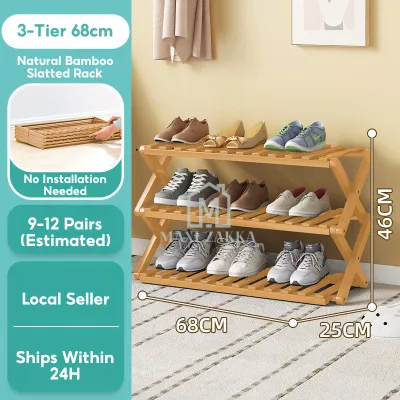
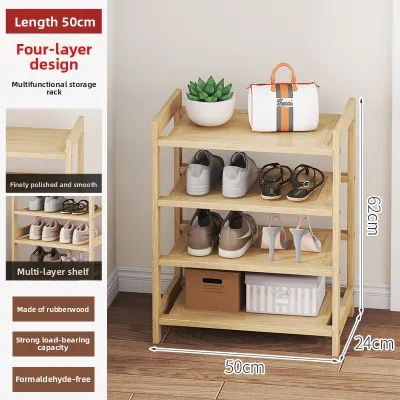
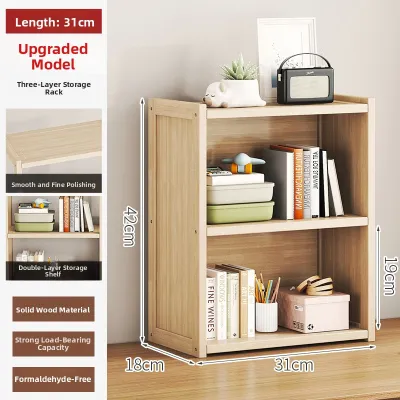

Prices are valid at publication and may change. Please refer to the product page for the latest price.
Next, measure the vertical clearance of your wall. While standard ceiling heights might seem to offer plenty of room, you must account for overhead obstacles that could interfere with a tall wood rack. Take note of the height of crown moldings, wall-mounted air conditioning units, ceiling fans, and light fixtures. A tall rack placed too close to a ceiling fan or air conditioner can restrict airflow or create a safety hazard during operation.
Finally, factor in the necessary clearance for daily movement and room functionality. Ensure there is ample space for walking paths, door swings, and the movement of nearby furniture. For example, if the wood rack is placed near an entryway or a wardrobe, verify that the doors can open fully without striking the rack. If the rack is going into a tight corridor or a compact apartment living room, leave enough clearance so that two people can pass each other comfortably without bumping into the unit.
Evaluate Your Storage Requirements and Load
The dimensions of your wood rack should be directly influenced by what you plan to store on it. To determine the ideal shelf depth and vertical spacing, start by categorizing your items by size and weight. Books, decorative storage boxes, kitchen appliances, and display ornaments all have different spatial requirements that will dictate the configuration of your shelving.

For standard books and small decorative items, a shelf depth of 25 to 30 centimeters is typically sufficient. However, if you plan to store larger items such as photo albums, heavy storage bins, or specialized equipment, you may need a deeper unit. Measuring the largest item you intend to place on the rack will help you avoid the frustration of items overhanging or failing to fit entirely.
Weight is another critical factor that directly affects the safety and longevity of your wood rack. Always check the manufacturer’s specifications for the maximum load capacity per shelf, as well as the total weight limit for the entire unit. Overloading a wood rack can cause the shelves to sag, weaken the joints, or even lead to a structural failure. If you plan to store heavy items like dense textbooks, ceramic pots, or kitchen appliances, look for racks with reinforced supports or thicker shelf boards.
If your storage needs are diverse or likely to change over time, consider a wood rack with adjustable shelving. Adjustable shelves allow you to customize the vertical clearance between tiers, making it easy to accommodate tall vases, large binders, or small decorative pieces on the same unit. This flexibility ensures that you do not waste valuable vertical space and can adapt the rack to your changing lifestyle.
Match Rack Dimensions to Your Room Layout
Once you have your physical measurements and storage requirements, you can begin matching these details to a specific wood rack configuration. The layout of your room will largely dictate whether a vertical or horizontal design is more appropriate. Choosing the right silhouette helps maintain a sense of balance and openness in your living space.
In smaller rooms or compact apartments where floor space is limited, tall and narrow wood racks are highly effective. These units utilize vertical space, allowing you to maximize storage capacity without consuming valuable floor area. However, in rooms with low ceilings or beneath windows, a wide, low-profile wood rack is often a better choice. Low-profile units keep the sightlines open, making the room feel larger and brighter while still providing functional storage surfaces.
If you anticipate that your storage needs will grow, modular or expandable wood racks offer an excellent long-term solution. These systems allow you to start with a single basic unit and add matching sections, drawers, or additional shelves as your collection expands. This modularity prevents you from having to replace the entire piece of furniture in the future, saving you money and reducing waste.
To simplify your decision-making process, create a simple dimension matrix. List your maximum allowable width, depth, and height on one side, and compare these figures against the dimensions of the wood racks you are considering. This side-by-side comparison makes it easy to eliminate units that are too large or too small, helping you narrow down your choices to the options that fit your space perfectly.
Verify Delivery, Assembly, and Safety Conditions
A wood rack that fits perfectly on paper must still be able to physically enter your home and be assembled safely. Before finalizing your purchase, you must verify the logistics of delivery and assembly. This is especially important for residents of high-rise apartments or homes with narrow access points.
Measure the dimensions of all doorways, stairwells, corridors, and lift doors that the packaged or assembled wood rack must pass through to reach its final destination. If you live in an apartment building, check the height and depth of the passenger lift to ensure the box or pre-assembled unit can fit inside. Failing to check these access routes can result in costly delivery failures or damage to your walls and the furniture itself.
Next, review the manufacturer’s assembly instructions and requirements. Some wood racks are delivered fully assembled, while others require flat-pack assembly. If assembly is required, check what tools are needed and ensure you have sufficient physical space in your room to lay out the pieces and put the unit together safely. If the assembly process seems too complex or requires specialized tools you do not own, consider opting for professional assembly services.
Finally, prioritize safety by reviewing the anchoring guidelines provided in the product manual. Tall or top-heavy wood racks pose a significant tipping hazard, particularly in households with active children or pets. Check the manual to see if wall-anchoring hardware is included and verify that your wall type (such as concrete, drywall, or brick) is compatible with the recommended anchoring method. Properly securing your wood rack to the wall is a crucial step in preventing accidents and ensuring long-term stability.
Frequently Asked Questions (FAQ)
How much space should I leave between a wood rack and the wall?
You should generally follow the manufacturer’s instructions regarding wall clearance. While some units are designed to sit flush, others may require a small gap to accommodate baseboards or skirting boards. Additionally, leaving a slight gap of one to two centimeters can promote air circulation behind the unit, which is particularly helpful in humid climates to prevent moisture buildup and protect both the wood and your walls.
Can I place a tall wood rack in a room with low ceilings?
Yes, provided you measure the exact ceiling height and account for any overhead fixtures like lights or ceiling fans. You must also ensure there is enough clearance to physically stand the unit upright during assembly, as flat-pack furniture often requires extra vertical space to be tilted into position. If the vertical clearance is tight, a low-profile horizontal rack is a safer and more visually balanced alternative.
Do I need to anchor my wood rack to the wall?
You should always refer to the manufacturer’s safety guidelines, but as a general rule, tall, narrow, or top-heavy wood racks should be securely anchored to the wall. This is a critical safety measure to prevent the unit from tipping over, especially if you have children or pets who might climb on the shelves, or if you live in an area prone to minor vibrations. Always use the anchoring hardware specified by the manufacturer for your specific wall type.

Community discussion
Share your experience or ask a question. Comments are reviewed before publication.