
Choosing the right size toddler bookshelf for a compact home requires balancing your child’s ergonomic needs with strict spatial limits. The optimal unit fits seamlessly into your available floor plan, allows safe delivery through narrow corridors, and keeps books within a toddler’s reachable zone. By measuring your space accurately and prioritizing stability over maximum capacity, you can create an engaging reading corner without overcrowding the room.
Measure Your Available Space Before Buying
Before browsing online marketplaces or visiting local showrooms, you must determine the exact physical limits of your designated reading area. Use a reliable measuring tape to record the width, depth, and height of the floor space where the bookshelf will stand. Remember to measure from the outer edge of the skirting boards rather than the bare wall, as these baseboards will prevent the furniture from sitting completely flush against the wall.
Take note of any wall fixtures that could interfere with the bookshelf’s placement. Look out for low-hanging window sills, electrical sockets, light switches, and the positioning of air conditioning units. Blocking these fixtures not only limits their usability but can also restrict airflow or create safety hazards in a child’s room.
Products mentioned in this guide
![[OKLIFE®]360° Rotating household student bookcase childrens floor bookcase book rack Books Organizer For Kids](https://img.lazcdn.com/g/p/6c3502bbce3b9e48de9c9715b17e7b06.jpg_400x400q80.jpg_.webp)
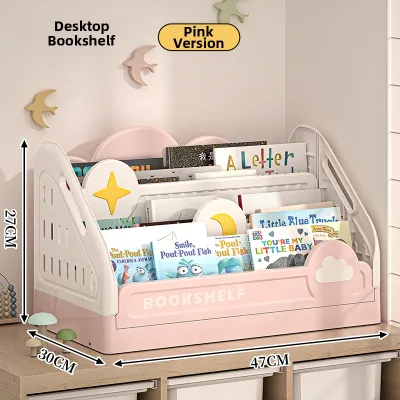
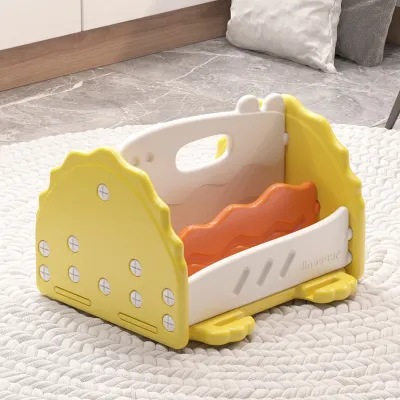
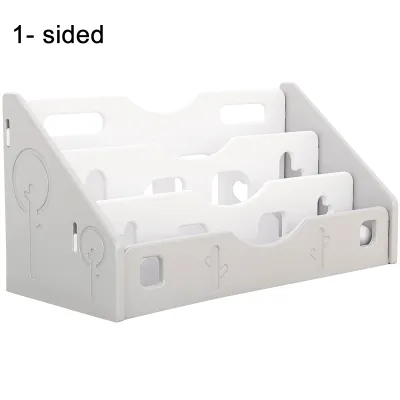
![[SG Stock]Simple Bookshelf White Decorative Rack Wooden Bookshelf Childrens Mobile Book Rack](https://img.lazcdn.com/g/p/932906d8eb4c9baebc02c1a5de49f903.jpg_400x400q80.jpg_.webp)
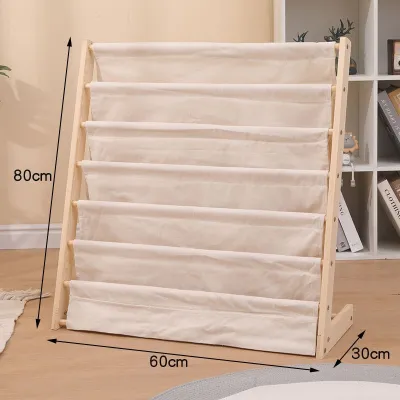
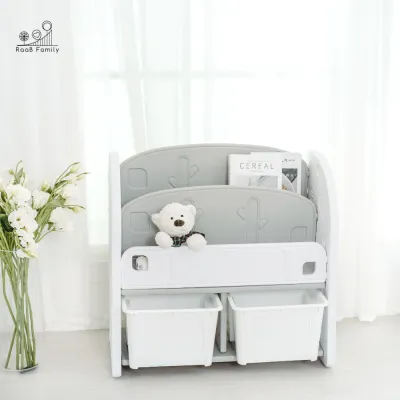
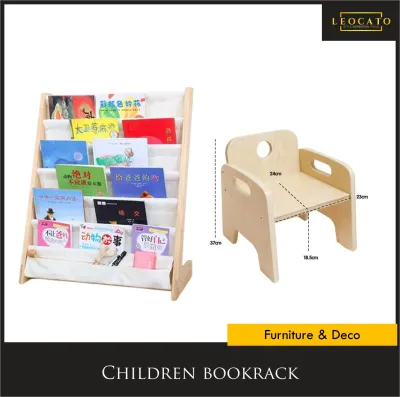
Prices are valid at publication and may change. Please refer to the product page for the latest price.
In Singapore, navigating tight common corridors, HDB lift doors, and narrow bedroom entryways is a crucial part of the purchasing process. Always check the packaged dimensions of the bookshelf provided by the retailer to ensure the box can clear these tight corners during delivery. If you live in an apartment with tight elevator access, a flat-pack unit that you assemble inside the room might be more practical than a pre-assembled piece.
Finally, map out the clearance zones around the proposed bookshelf location. Ensure there is enough room for your child to sit comfortably on the floor in front of the shelves without blocking main walkways. You should also verify that nearby wardrobe doors, drawers, and bedroom doors can open fully without striking the new furniture.
Ideal Dimensions and Capacity for Toddler Bookshelves
To encourage independent reading, the height of the bookshelf must align with your toddler’s physical capabilities. Look for low-profile units where the top shelf is easily reachable when your child is standing. Keeping the height low prevents children from attempting to climb the shelves to reach a desired book, which significantly reduces the risk of accidents.

The depth of the shelves is another critical factor, especially since children’s picture books and board books are often wider and taller than standard adult novels. Check the shelf depth specifications to ensure these oversized books can sit securely without hanging over the edge. Shelves that are too shallow can cause books to slip off easily, creating clutter and potential tripping hazards on the floor.
When evaluating width, balance the overall capacity of the unit with the available wall space in your compact room. A wide bookshelf might hold more items, but it can quickly dominate a small bedroom and make the space feel cramped. Opting for a narrower unit with multiple tiers allows you to maximize storage vertically while keeping the floor footprint to a minimum.
You should also consider the structural design of the shelves, particularly how the books are displayed. Front-facing bookshelves, which show the covers of the books rather than the spines, are highly engaging for toddlers but require more wall width. Spine-out bookshelves hold more volumes in a smaller footprint but are harder for very young children to navigate independently.
Space-Saving Designs and Placement Strategies
In compact homes, multi-functional furniture is highly effective for saving floor space. Consider toddler bookshelves that integrate storage bins or toy cubbies at the bottom. This combination keeps books at eye level while utilizing the lower, heavier section of the unit to store toys, which also helps lower the center of gravity and improve overall stability.
Corner bookshelves are another smart layout strategy, allowing you to utilize underused areas of a bedroom or living room. By fitting snugly into a corner, these units provide ample storage without protruding into the main walking paths. Ensure the corner unit is designed specifically for children, with rounded edges and a stable base.
Wall-mounted book ledges are an excellent alternative if floor space is extremely limited. These shallow shelves can be mounted directly onto the wall at your child’s height, leaving the floor completely clear. When installing wall-mounted shelves, always verify the manufacturer’s weight limits and ensure you use appropriate hardware, such as heavy-duty masonry plugs for concrete walls.
Regardless of the design you choose, securing freestanding bookshelves to the wall is a critical safety step for any home with active toddlers. Look for units that include wall-anchoring hardware or purchase a compatible anti-tip kit separately. Securely anchoring the bookshelf prevents it from tipping over if a child pulls on the shelves or attempts to climb them.
Common Sizing Mistakes to Avoid
One common mistake is ignoring the swing radius of nearby doors and windows when positioning the bookshelf. A shelf placed too close to a door frame can prevent the door from opening fully, or it may get struck and damaged over time. Always leave a generous buffer zone around all doors and high-traffic entryways.
Another frequent error is choosing a bookshelf that is too deep for a narrow corridor or walkway. In compact apartments, every centimeter of floor space matters, and a protruding piece of furniture can easily cause stubbed toes or trips. Stick to slim-profile designs that hug the wall closely to maintain clear, safe pathways throughout the room.
Finally, avoid overloading the shelves beyond their intended capacity. Placing too many heavy books on the upper shelves of a tall or shallow unit compromises its stability and alters the weight distribution. Always place heavier board books on the lowest shelves and lighter paperbacks on top, and regularly check the joints and fasteners to ensure the unit remains sturdy.
Frequently Asked Questions (FAQ)
How many books should a toddler bookshelf hold?
A toddler bookshelf does not need to hold your entire collection at once. Displaying a smaller, curated selection of ten to fifteen books with their covers facing forward is often more beneficial for a child’s development. This layout makes it easier for young children to recognize their favorite stories and choose books independently without feeling overwhelmed.
To keep your child’s interest high and the shelf organized, store the rest of your books in a separate storage bin or closet. You can then rotate a few different books onto the display shelf every week or two, which keeps the selection fresh and manageable.
Are wall-mounted bookshelves safe for toddlers?
Wall-mounted bookshelves are safe if they are installed correctly using the appropriate hardware for your wall type. In Singapore, where many interior walls are made of solid concrete or brick, you must use masonry drill bits and suitable wall plugs to ensure a secure hold. If you are mounting onto drywall partitions, you must anchor the brackets directly into the timber or metal studs.
Always adhere strictly to the manufacturer’s specified weight limits and avoid overloading the wall shelves. Keep heavier items on lower, freestanding storage units, and regularly inspect the wall mounts to ensure they have not loosened over time.

Community discussion
Share your experience or ask a question. Comments are reviewed before publication.