
Selecting the right size solid wood shelf for your HDB flat or condominium room is a balancing act between maximizing storage and preserving precious floor space. Unlike lightweight synthetic alternatives, solid wood furniture possesses a distinct physical and visual weight that can easily dominate a room if miscalculated. To find the perfect fit, you must evaluate your room’s layout, identify structural obstacles, and plan for the practicalities of delivery and installation.
By focusing on precise measurements, spatial flow, and structural safety, you can choose a solid wood shelf that serves as a beautiful, functional addition to your Singapore home. Whether you are looking to display collectibles in a living room or organize books in a compact study corner, a systematic approach to sizing ensures your investment fits seamlessly into your lifestyle.
Measure Your Available Space and Clearances
Before browsing designs, you must obtain precise measurements of the designated wall and the surrounding floor area. Start by measuring the absolute width, height, and depth of the available wall space. However, do not rely solely on corner-to-corner wall measurements. In Singapore homes, several architectural features can reduce the actual usable space.
Products mentioned in this guide

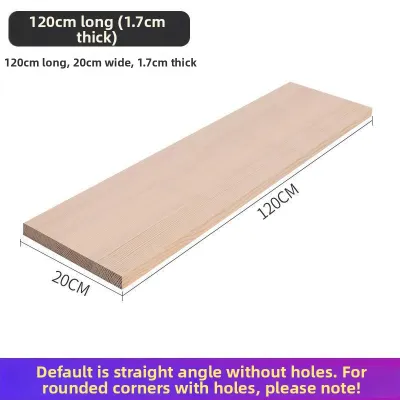
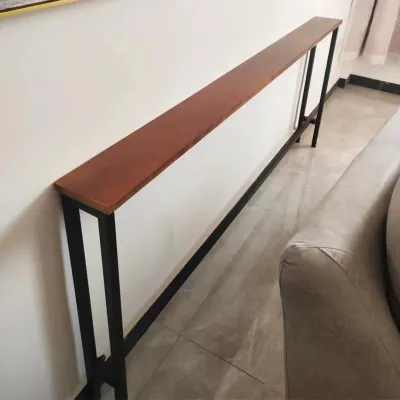
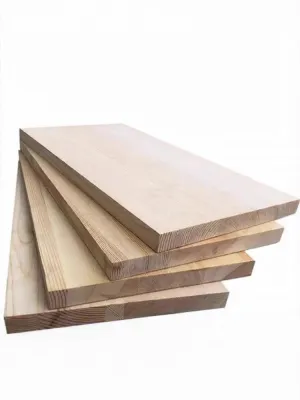
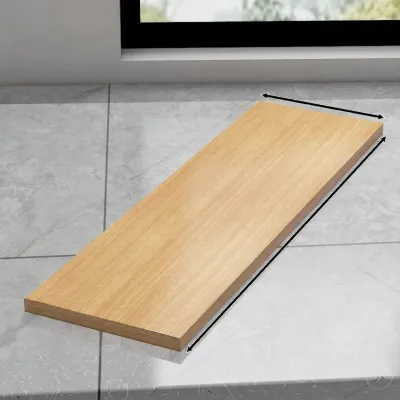
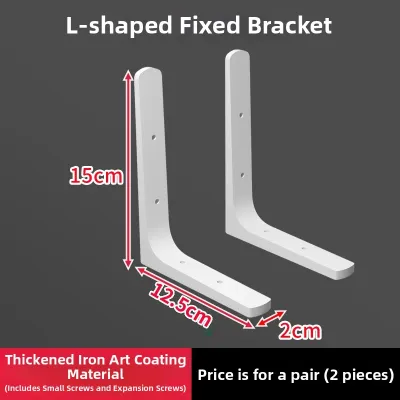
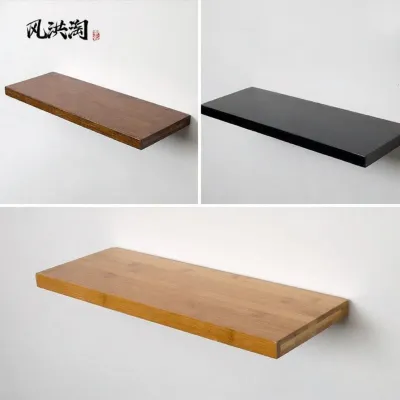
Prices are valid at publication and may change. Please refer to the product page for the latest price.
First, account for skirting boards running along the base of your walls. These boards typically protrude by 1 to 2 centimeters, preventing a flat-backed shelf from sitting completely flush against the wall unless the unit features a base cutout. Second, locate all electrical outlets, light switches, and data ports. Placing a heavy solid wood shelf directly in front of these points can block access to essential plugs or require you to pull the shelf forward, consuming valuable floor space. Third, inspect the upper walls for air conditioning trunking, structural beams, or distribution board (DB) boxes, which are common in HDB flats and can restrict the maximum height of your shelving unit.
Equally important is verifying the delivery path from the unloading bay to your room. Solid wood shelves, especially high-quality heirloom pieces, are often delivered fully assembled or in large, heavy sections. Measure the height and width of your estate’s elevator doors, the interior dimensions of the lift cabin, and any tight turns in the corridors or stairwells. Within your home, measure the clearance of your main entrance and internal doorways. A shelf that fits perfectly on your bedroom wall is of little use if it cannot clear the doorway during delivery.
Finally, plan for functional clearance zones around the shelf. Ensure there is at least 60 to 90 centimeters of open walkway in front of the unit to allow comfortable passage. If the shelf is placed near doors, windows, or wardrobes, verify that it will not obstruct their swing radiuses or block access to window latches and grilles.
Match Shelf Proportions to Your Room Layout
A solid wood shelf should harmonize with the scale of your room rather than overwhelm it. Because solid wood has a dense, opaque presence, its visual weight is much greater than that of glass or metal shelving. When selecting a unit, consider how its proportions interact with your ceiling height—which typically ranges from 2.6 to 2.8 meters in standard HDB flats—and your existing furniture.

The choice between a tall, vertical bookcase and a low, wide console depends on your primary spatial goals. Tall, narrow shelves are excellent for maximizing vertical storage in tight spaces, drawing the eye upward and making the ceiling feel higher. Conversely, low and wide shelving units keep sightlines open, allowing natural light to penetrate deeper into the room while providing a convenient top surface for decor or media equipment.
To avoid purchasing errors, use painter’s tape or flattened cardboard boxes to create a full-scale mock-up of the shelf’s footprint on both the floor and the wall. Leave this mock-up in place for a day or two. Walking around it during your daily routine will help you visualize the physical presence of the shelf and determine if it restricts movement or makes the room feel congested.
Living and Dining Areas
In open-plan living and dining areas, a solid wood shelf often serves as a focal point or a subtle room divider. When placing a shelf in these high-traffic zones, pay close attention to depth. Standard display shelves range from 30 to 45 centimeters in depth. A shelf that is too deep can narrow your main living room walkway or interfere with the space needed to pull out dining chairs comfortably.
To maintain an airy atmosphere in communal spaces, consider open-back shelving designs or units with slender frames. These styles allow the wall color to show through, reducing the visual bulk of the wood. If you plan to use a freestanding shelf as a room divider to separate your living and dining zones, ensure the back of the unit is fully finished and that the height does not block natural light coming from your balcony or windows.
Bedrooms and Study Corners
Bedrooms and study corners in modern Singapore apartments require highly efficient storage solutions due to their compact footprints. When selecting a solid wood shelf for these private spaces, vertical storage is your greatest asset. High shelving units allow you to store books, files, and personal items upward rather than outward, preserving floor space for your bed or desk.
However, vertical planning requires caution. Ensure the top of a tall shelf does not interfere with the airflow or swing radius of a ceiling fan, nor block light from ceiling fixtures. Additionally, coordinate the depth of your shelf with adjacent furniture. If placed next to a study desk, a deep shelf can cast shadows over your workspace or make the seating area feel cramped. Opt for a shallower shelf depth of 25 to 30 centimeters for books and study materials to keep the environment feeling open and productive.
Verify Structural Limits and Installation Requirements
The structural integrity of your home and the safety of your household must be primary considerations when installing a solid wood shelf. Solid wood is inherently heavy, and when fully loaded with books, ceramics, or storage boxes, the total weight increases exponentially.
Always check the manufacturer’s specifications for the weight capacity of each individual shelf tier as well as the overall unit. Distribute heavier items on the bottom shelves to maintain a low center of gravity, which enhances stability. For any freestanding shelf taller than 1.2 meters, using an anti-tip anchoring kit to secure the unit to the wall is highly recommended to prevent accidental tipping.
Before mounting any shelf to a wall or drilling anchor holes, you must identify your wall type. Modern Singapore homes typically feature a mix of concrete structural walls, pre-cast concrete panels, and drywall partitions. Concrete walls offer excellent load-bearing capacity but require a rotary hammer drill, masonry drill bits, and heavy-duty wall plugs to secure brackets. Drywall partitions, often used to divide bedrooms in newer condos, have much lower weight limits. If mounting to drywall, you must locate the internal timber or metal studs using a stud finder and anchor the brackets directly into them; relying solely on hollow-wall anchors in drywall is unsafe for heavy solid wood shelves.
Additionally, review your housing guidelines. While HDB homeowners generally do not need a permit for minor drilling, hacking structural walls is strictly prohibited. If you live in a condominium, check your management’s bylaws regarding drilling into common walls or walls shared with neighboring units, as some developments have specific restrictions to preserve acoustic insulation or structural integrity.
Common Sizing and Placement Mistakes to Avoid
One of the most frequent mistakes is overlooking the depth of the shelf. While a shelf’s width and height might fit a wall perfectly, an excessive depth can protrude into walkways, creating a constant tripping hazard or preventing adjacent room doors from opening to their full angle.
Another common error is failing to account for the swing radius of various fixtures. Always measure the clearance required for ceiling fans, window grilles, wardrobe doors, and even air conditioning louvers. A tall shelf placed too close to a ceiling fan not only poses a physical hazard but can also disrupt the distribution of cool air throughout the room.
Finally, do not underestimate the sheer mass of dense hardwoods like teak, oak, or walnut. Many homeowners assume that wall-mounting a solid wood shelf is as simple as hanging a picture frame. Without verifying the wall’s structural capacity and using the correct heavy-duty mounting hardware, a heavy wooden shelf risks pulling away from the wall, causing severe damage to your property and posing a significant safety hazard.
Frequently Asked Questions (FAQ)
Can I place a solid wood shelf over a bed or sofa?
Yes, but safety must be your absolute priority. Any solid wood shelf mounted directly above a seating or sleeping area must be anchored securely into solid concrete walls or structural wall studs using heavy-duty brackets. Avoid mounting heavy shelves to hollow drywall partitions in these high-risk zones. Additionally, ensure there is sufficient headroom—ideally at least 60 to 75 centimeters of clearance between the top of your head when sitting upright and the bottom of the shelf—to prevent painful bumps and avoid creating a claustrophobic feeling.
How do I protect my floors from the weight of a solid wood bookcase?
To prevent heavy solid wood furniture from damaging your flooring, use wide, load-distributing furniture pads or felt coasters under the legs or base of the shelf. These pads cushion the contact points and prevent scratches when positioning the unit. If your home features softer flooring materials such as vinyl, laminate, or engineered wood, check the flooring manufacturer’s guidelines regarding point-load limits. For exceptionally heavy, fully loaded bookcases, consider choosing a unit with a flat, solid plinth base rather than narrow legs, as a flat base distributes the total weight more evenly across a larger surface area.

Community discussion
Share your experience or ask a question. Comments are reviewed before publication.