
Selecting the right solid wood bookshelf for a Singapore home requires balancing your reading collection with the physical realities of compact urban living. Whether you are furnishing an HDB flat or a condominium apartment, space is a premium commodity that demands careful planning. Solid wood furniture brings warmth, character, and structural integrity to a room, but its rigid form and substantial weight mean you cannot easily squeeze it into an ill-fitting corner. Finding the ideal dimensions involves analyzing your room’s layout, understanding the structural demands of heavy timber, and ensuring the piece can physically make its way through your front door.
By focusing on precise measurements and spatial harmony, you can introduce a beautiful, functional piece of furniture that enhances your home without causing visual or physical clutter. The process begins long before you browse online marketplaces or visit a local showroom, starting instead with a tape measure and a clear understanding of your home’s unique architectural features.
Assessing Your Space and Delivery Routes
Before committing to a specific solid wood bookshelf, you must establish the exact three-dimensional envelope available in your room. Start by measuring the floor footprint where the bookshelf will stand, taking care to note any architectural features that might restrict its placement. Skirting boards, which run along the base of your walls, often prevent furniture from sitting completely flush, so measure from the outer edge of the skirting board rather than the bare wall. Additionally, locate all wall-mounted power outlets, light switches, and internet ports; blocking these can disrupt your home’s functionality and make plugging in study lamps or chargers incredibly difficult.
Products mentioned in this guide
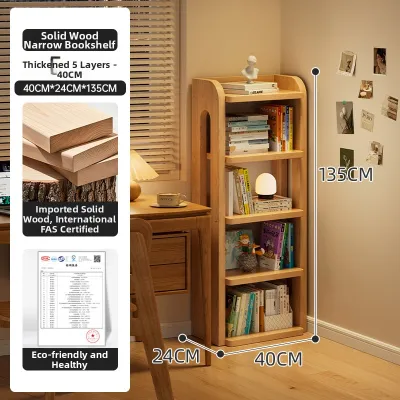
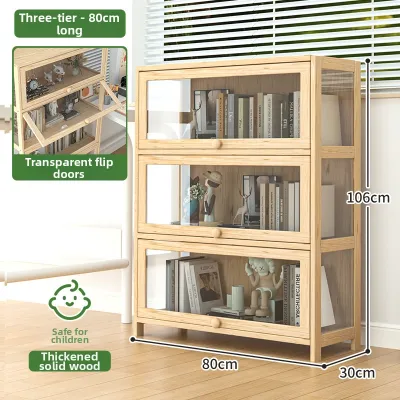
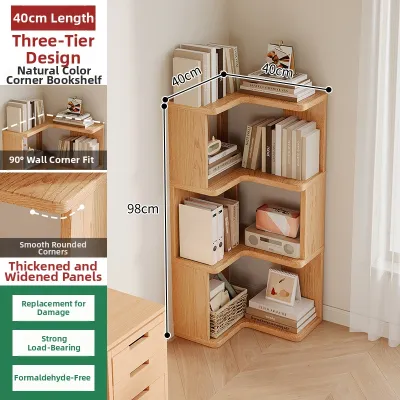
![[CozyNest ]Solid Wood Dustproof Bookcase Against The Wall Storage Cabinet Storage Cabinet Floor Shelves Home Bookshelves](https://img.lazcdn.com/g/p/5ac4e2b9d7896490c78cd5ba66783b46.jpg_400x400q80.jpg_.webp)
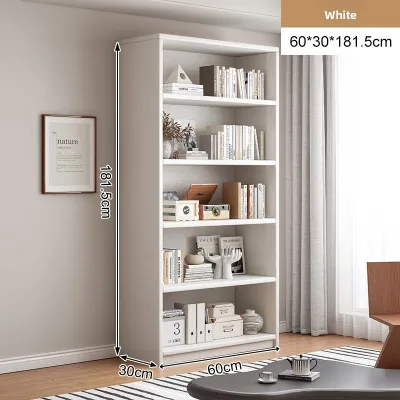
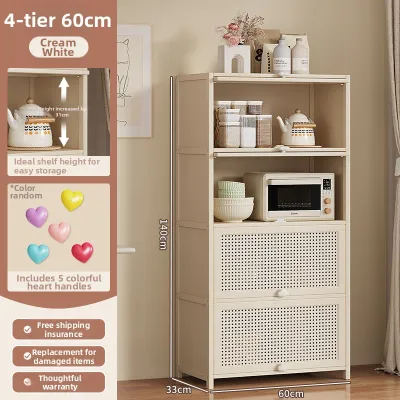
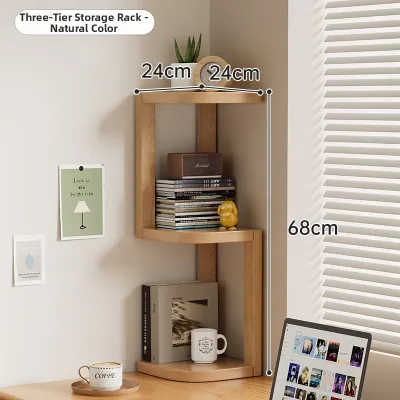
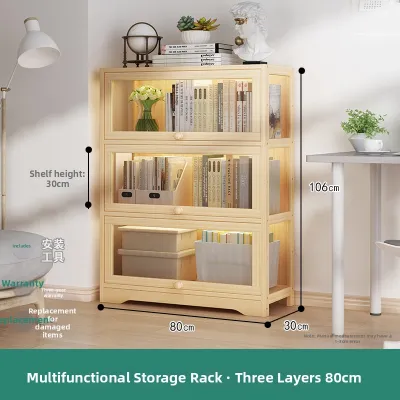
Prices are valid at publication and may change. Please refer to the product page for the latest price.
Vertical space is equally important, especially if you are considering a tall unit. Measure the height from the floor to the ceiling, keeping an eye out for low-hanging beams, air-conditioning units, window sills, or decorative cornices that could obstruct a tall bookcase. If you plan to place the bookshelf near a window, ensure its depth and height will not block natural light or interfere with the operation of window handles and curtains.
The physical journey of the bookshelf from the delivery truck to its final spot in your room is a frequently overlooked step that can lead to major delivery day headaches. Solid wood bookshelves are often delivered fully assembled or in large, heavy sections to preserve their structural joints. You must measure every point along the delivery pathway to guarantee a smooth installation. Start with the building’s passenger lift, measuring the door opening width, the internal height, and the diagonal depth of the cabin.
Next, assess the common corridors and any tight corners in your HDB estate or condominium hallway. If your unit is located near a staircase or a sharp turn in the corridor, ensure there is enough clearance for delivery personnel to maneuver a bulky item. Finally, measure the clear opening of your main entrance door and the internal doorways leading to the target room. If the bookshelf’s smallest dimension exceeds these clearances, you may need to look for modular designs or units that offer on-site assembly.
Matching Dimensions to Compact Room Zones
In compact Singapore apartments, every square meter must be utilized efficiently to maintain a comfortable flow of traffic. If you are placing a bookshelf in a high-traffic area, such as a narrow hallway, a walkway behind a dining table, or the space behind a living room sofa, prioritize shallow-depth options. A bookshelf with a depth of 20 to 25 cm is ideal for these zones, as it provides ample space for standard novels and paperbacks while keeping the walkway clear and preventing accidental bumps.

For rooms where you want to maintain an open, airy feel, low-to-medium height bookshelves are an excellent choice. Units that stand between 80 and 120 cm tall work beautifully under windows, beneath sloped ceilings, or along the back of a sofa. These lower profiles keep your sightlines clear, making small rooms feel larger and brighter. The top surface of a low bookshelf also doubles as a convenient display area for house plants, framed photos, or a table lamp, adding functionality without adding visual bulk.
When floor space is extremely limited, vertical storage is your best ally. Tall, narrow bookshelves—often referred to as tower bookcases—are perfect for dedicated study corners, small bedrooms, or unused alcoves. A unit that is 40 to 60 cm wide and 180 to 200 cm tall utilizes the often-wasted vertical space of your room, offering significant storage capacity while occupying a minimal footprint. This configuration draws the eye upward, which can create the illusion of higher ceilings in standard HDB flats.
Managing Solid Wood Weight and Stability
Solid wood is a dense, heavy material, and its weight increases significantly once loaded with books. Before placing a large bookshelf, consider the load capacity of your flooring. While modern concrete floors in HDB flats and condominiums are designed to support substantial loads, the concentrated weight of a heavy timber bookcase can dent or scratch softer flooring materials. Use heavy-duty felt pads, rubber floor protectors, or wide furniture cups under the legs of the bookshelf to distribute the weight evenly and protect parquet, vinyl, or laminate surfaces.
Safety must be a primary concern when installing tall or heavy furniture, particularly in households with young children or active pets who might attempt to climb the shelves. Any bookshelf standing over 120 cm tall should be securely anchored to the wall to prevent accidental tip-overs. Even a sturdy, well-balanced solid wood unit can become front-heavy when the upper shelves are loaded with heavy reference books or when drawers are pulled open.
Before drilling, verify the composition of your walls to ensure you use the correct anchoring hardware. Concrete structural walls and HDB bomb shelter walls require heavy-duty wall plugs and masonry drill bits, whereas internal partition walls made of drywall require specialized hollow-wall anchors or toggle bolts. Always check the manufacturer’s guidelines for anchoring instructions, and if you are unsure about your wall type or drilling capabilities, hire a qualified local handyman to complete the installation safely.
Adapting Layouts When Standard Sizes Fall Short
If standard, off-the-shelf solid wood bookshelves do not align with your room’s dimensions, you do not have to compromise on your storage goals. Modular solid wood shelving systems offer a highly flexible alternative. These systems consist of individual cubes or stackable units that you can configure horizontally or vertically to fit your exact space. As your book collection grows or your living arrangements change, you can easily add, remove, or rearrange the modules to suit your new layout.
Corner bookshelves are another brilliant way to reclaim dead space in compact rooms. Corners are frequently left empty because standard rectangular furniture does not fit them well. An L-shaped or corner-specific solid wood bookshelf fits snugly into these intersections, turning an underutilized area into a functional library while keeping the center of the room open and unobstructed.
To prevent a large solid wood bookshelf from visually dominating a small room, look for designs that combine open upper shelving with closed lower cabinets. The open shelves at the top allow light to pass through and create a sense of depth, reducing the visual weight of the piece. Meanwhile, the closed cabinets at the base provide a neat place to store unsightly clutter, files, or heavier items, keeping the overall look clean and organized while maintaining a low center of gravity for improved stability.
Common Sizing and Placement Mistakes
One of the most frequent errors when planning a bookshelf placement is failing to account for the thickness of skirting boards. If you measure your wall space at chest height but do not subtract the 1 to 2 cm thickness of the skirting board at floor level, your bookshelf will not sit flush against the wall. This creates an unsightly gap at the back and can cause the unit to lean forward slightly, putting unnecessary strain on the joints and reducing its overall stability.
Another common mistake is ignoring the swing arcs of nearby doors, windows, and wardrobe panels. A bookshelf that is even a few centimeters too wide or deep can block a bedroom door from opening fully, prevent a window from being opened for ventilation, or obstruct the sliding doors of a nearby wardrobe. Always map out the swing paths of all doors and windows in the room before finalizing your bookshelf’s position.
Finally, many homeowners overestimate the depth they actually need for their book collection. Purchasing a deep bookshelf (35 cm or more) for standard novels and paperbacks results in wasted floor space and leaves a large, empty gap in front of your books where dust can accumulate. Opting for a more appropriate depth of 25 to 30 cm keeps your room feeling spacious while ensuring your books sit neatly at the front of the shelves.
Frequently Asked Questions (FAQ)
How does air-conditioning affect solid wood bookshelf placement?
Air-conditioning units create localized zones of cool, dry air, which can fluctuate rapidly when the system is turned on and off. Placing a solid wood bookshelf directly in the path of cold air drafts or near condensation-prone areas can cause the timber to expand, contract, warp, or crack over time due to these rapid changes in temperature and humidity. To protect your investment, maintain a stable distance from air-con units, avoid placing the bookshelf directly beneath them where water leaks could occur, and keep the furniture away from direct sunlight and damp walls.
What is the ideal shelf depth for standard books?
For the vast majority of reading materials, including standard novels, paperbacks, and typical textbooks, a shelf depth of 25 to 30 cm is ideal. This depth allows your books to sit comfortably without protruding over the edge, while preventing the bookshelf from taking up unnecessary floor space in compact rooms. If you have a collection of oversized art books, photo albums, or large storage boxes, measure these specific items beforehand to determine if you need a slightly deeper shelf for those specific sections.

Community discussion
Share your experience or ask a question. Comments are reviewed before publication.