
Choosing the right size plastic bookshelf for a compact home requires balancing your storage needs with the physical constraints of your room layout. Unlike heavy timber or steel units, plastic bookshelves offer lightweight versatility and easy assembly, but their dimensions must be selected carefully to prevent bowing, tipping, or blocking tight pathways. To find the ideal fit, you must measure your available floor space, account for architectural obstacles like skirting boards, and verify that the unit’s load capacity matches your storage plans.
Assessing Your Space and Pathway Constraints
Before browsing online marketplaces or visiting showrooms, measure the exact floor area where you plan to place the bookshelf. In a typical bedroom or study, floor space is limited, so you must ensure the depth of the shelf does not encroach on walkways or prevent other furniture from opening. Check the height of nearby windows, light switches, and air conditioning units. Placing a tall shelf directly under an air conditioner can block airflow or make filter maintenance difficult, while blocking a window can restrict natural light.
Do not just measure the final spot; consider how the bookshelf will get there. Even though plastic bookshelves often arrive flat-packed, you must verify the dimensions of the shipping box against your building’s lift doors, staircase turns, and your unit’s main entrance. A package that is too long or bulky can cause significant delivery headaches, especially if you have tight corridor turns or narrow doorways.
Products mentioned in this guide
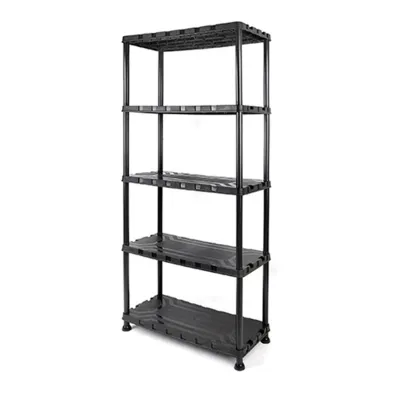
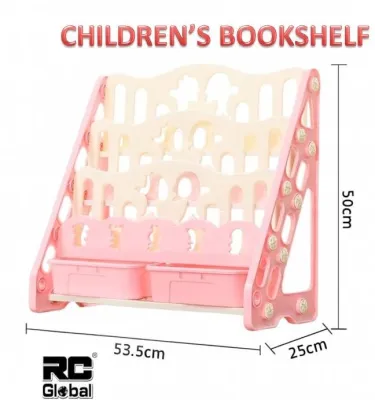
Prices are valid at publication and may change. Please refer to the product page for the latest price.
Most apartments feature baseboard skirting along the bottom of the walls. This skirting prevents flat-backed furniture from sitting completely flush against the wall, creating a small gap at the top. When calculating the depth of your bookshelf, add the thickness of your skirting board to your measurements. Additionally, leaving a small ventilation gap of one to two centimeters behind the shelf helps prevent moisture buildup, which is particularly important in humid climates.
Matching Plastic Bookshelf Dimensions to Your Layout
If you are working with a tight corner, a narrow and tall plastic bookshelf can maximize vertical storage without consuming valuable floor space. These units are ideal for placing beside a bed or in the gap between a wardrobe and a wall. However, you must measure your ceiling height carefully and ensure the top of the shelf does not interfere with overhead light fixtures, ceiling fans, or wall-mounted fans.

For spaces under windows or along low walls, a wide and low bookshelf is often the more practical choice. These units can double as low room dividers or console tables without obstructing natural light or views. When placing a low shelf in a high-traffic walkway, ensure its depth does not create a tripping hazard, and verify that there is ample room to walk past comfortably when carrying items.
Modular plastic bookshelves offer excellent flexibility for evolving storage needs. These systems allow you to add or remove tiers to adjust the overall height and width of the unit. When selecting a modular system, carefully inspect the locking mechanisms, interlocking joints, or connector clips. Ensure these connectors are robust and fully engaged, as loose joints can compromise the structural integrity of the entire stack.
Checking Stability, Weight Limits, and Assembly Conditions
Plastic is inherently more flexible than wood or metal, meaning it is prone to bowing under heavy loads. Before purchasing, check the manufacturer’s specifications for the maximum weight limit per shelf and the total weight capacity of the unit. Heavy items like thick textbooks, binders, or electronics should be placed on the lowest shelves to keep the center of gravity low, while lighter items can go on top.
Because plastic bookshelves are lightweight, they can easily become top-heavy and tip over when loaded with books or if someone pulls on them. This risk is especially critical in households with young children or pets. Look for units that include anti-tip wall anchoring kits, or plan to purchase compatible hardware separately. Anchoring the shelf securely to the wall is a vital safety step for any unit taller than waist height.
Assembling a plastic bookshelf usually requires snapping parts together or using plastic screws. Ensure you have enough clear floor space in your room to lay out all the components during assembly. When putting the unit together, verify that every interlocking joint, support pin, and base foot is fully seated and level. An uneven base can cause the shelf to lean, significantly reducing its stability and weight capacity.
Common Sizing Mistakes to Avoid
One of the most common mistakes is forgetting to account for wall protrusions. If you place a bookshelf directly in front of a power outlet, you may block access to it entirely or force the shelf to sit far out from the wall. This not only wastes space but can also bend power cords at dangerous angles, creating a potential electrical hazard.
It is easy to assume a plastic shelf can hold the same volume of books as a wooden bookcase of the same size. However, overloading plastic shelves leads to permanent sagging and can eventually cause the joints to snap. Always verify the weight of your book collection before choosing a shelf size, and opt for reinforced plastic or smaller shelf spans if you have heavy volumes.
Always measure the swing clearance of nearby doors, wardrobe cabinets, and windows. A bookshelf that is even a few centimeters too deep can prevent a bedroom door from opening fully or block wardrobe drawers from sliding out. Mark the footprint of the bookshelf on the floor using masking tape before buying to physically test the clearance of all moving parts.
Frequently Asked Questions (FAQ)
Can I place a plastic bookshelf in a humid area like a bathroom or near a kitchen?
While plastic is highly resistant to water damage compared to untreated wood, environmental factors still play a role. Prolonged exposure to high humidity in a bathroom or direct heat from kitchen cooking appliances can weaken or warp certain types of plastic over time. Always check the manufacturer’s care instructions for specific temperature and moisture limits. If placing the unit in these areas, ensure there is adequate ventilation and keep it away from direct heat sources.
How do I secure a tall plastic bookshelf to an HDB wall?
Securing a tall shelf requires identifying your specific wall type. Most internal walls are made of concrete or lightweight concrete blocks, which require a masonry drill bit, plastic wall plugs, and matching screws. If you are anchoring to a drywall partition, you must use specialized drywall anchors. Always follow the instructions provided with your anti-tip kit precisely, and consult a qualified professional if you are unsure about drilling into your walls.

Community discussion
Share your experience or ask a question. Comments are reviewed before publication.