
Choosing a ladder shelf for a Singapore HDB flat or condominium room requires balancing vertical storage with precious floor area. Because ladder shelves feature a sloped profile—typically deeper at the bottom and shallower at the top—they offer a lighter visual footprint than traditional bulky bookcases. To find the right size, you must measure your exact floor footprint, account for the angle of the frame, and ensure the unit does not block walkways or cover essential wall fixtures like power sockets. Taking these steps ensures your new furniture is both highly functional and visually proportionate to your living space.
Measure Your Space Before Buying
Start by measuring the floor area where the shelf will stand. Use a metal measuring tape to find the maximum width and depth your room can accommodate. In compact HDB bedrooms or study rooms, even a few centimeters can determine whether a door opens fully or a wardrobe drawer slides out without hitting the frame.
Next, measure the vertical clearance from the floor to the ceiling, or to any low-hanging fixtures like air conditioning units or wall-mounted lights. While most standard ladder shelves range from 1.5 to 1.8 meters in height, verifying this clearance prevents the top of the shelf from crowding overhead installations.
Products mentioned in this guide
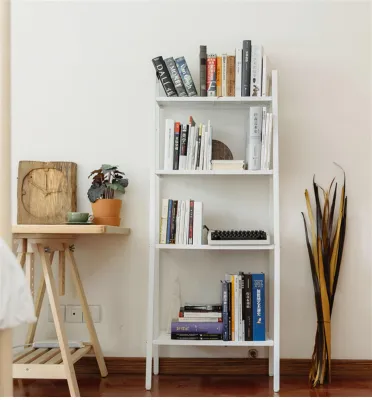
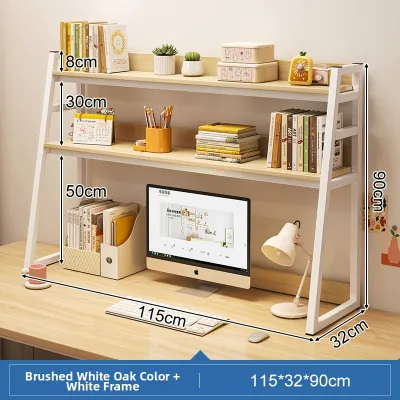
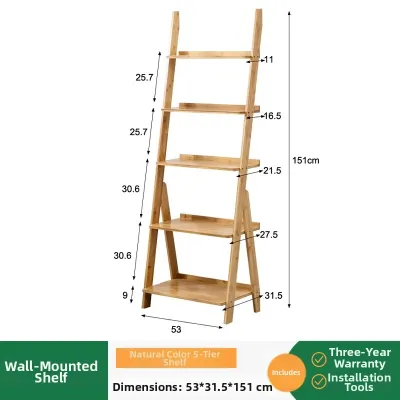
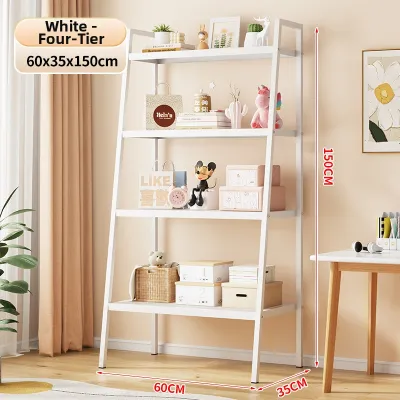
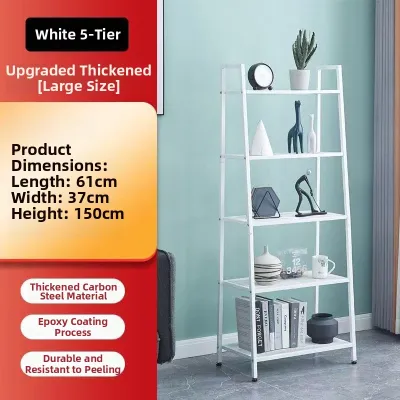
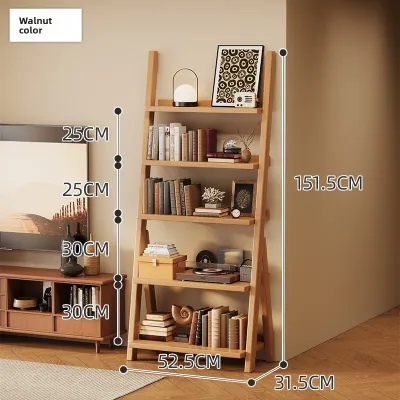
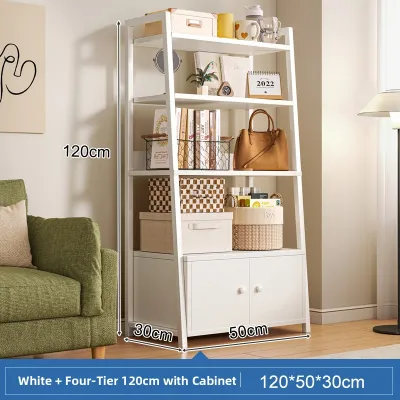

Prices are valid at publication and may change. Please refer to the product page for the latest price.
Walkway clearance is critical in tight layouts. Ensure there is at least 60 to 70 centimeters of clear walkway space in front of the shelf’s deepest point so you can pass by comfortably. If the shelf is placed near an entryway or bedroom door, map out the door’s swing radius to avoid collisions.
Do not forget to inspect the base of your wall. Singapore homes often feature skirting boards or baseboards that prevent furniture from sitting completely flush against the wall. Measure the height and thickness of your skirting boards, and check if the ladder shelf’s rear legs are designed with a cutout or offset to accommodate them. Additionally, check for wall unevenness using a spirit level, as minor plastering variations can cause a tall shelf to lean awkwardly.
Before the shelf even reaches your room, consider how it will be delivered. Measure the height and width of your home’s main entrance, hallway corners, and the lift cabin of your HDB or condo building. If you are purchasing a fully assembled solid wood ladder shelf, ensuring it can fit through these tight entry points is just as important as measuring the final room layout.
Match Shelf Dimensions to Your Room Layout
A ladder shelf should complement, not overwhelm, your room’s proportions. When selecting the width, aim to leave some exposed wall on either side of the unit. For instance, if you have a 1.5-meter wide wall section, choosing a shelf that is 60 to 80 centimeters wide provides sufficient visual breathing room, keeping the space feeling open and airy.

Pay close attention to the depth of the individual tiers. The bottom shelf is always the deepest, often extending 35 to 45 centimeters outward. Ensure this maximum depth does not encroach on high-traffic pathways. If you plan to place the shelf in a narrow corridor or beside a bed, a shallower model with a maximum bottom depth of 30 centimeters may be more appropriate.
Consider the visual weight of the frame and the spacing between tiers. Solid wood frames with thick side panels look more substantial and work well in larger living rooms, whereas slim metal or open-sided bamboo frames maintain a sense of spaciousness in compact study rooms. Check the height between each tier to ensure your intended storage items—such as tall books, decorative vases, or storage boxes—will fit comfortably without looking cramped.
The height of the lowest shelf also affects the room’s layout. If the bottom tier sits too close to the floor, it can make cleaning difficult. Choosing a model with a raised bottom shelf—at least 15 to 20 centimeters off the ground—allows robot vacuums or standard cleaning tools to pass underneath easily, helping you maintain a dust-free home.
Check Structural and Installation Requirements
Safety and stability depend heavily on how the shelf interacts with your walls and floors. In Singapore, HDB flats typically feature solid concrete or precast internal walls, while newer condominiums may use drywall partitions between rooms. Identify your wall type before purchasing, as concrete walls require masonry drill bits and plastic wall plugs, whereas drywalls require specialized hollow-wall anchors to secure anti-tip hardware.
Floor levelness is another critical factor. Many homes have slight floor slopes, particularly near balconies or wet areas. A minor slope can cause a tall, narrow ladder shelf to wobble or lean away from the wall. Check your floor with a spirit level; if you detect an uneven surface, look for ladder shelves equipped with adjustable leveling feet to stabilize the unit.
Always verify the manufacturer’s specified weight capacity for each individual tier. Because ladder shelves distribute weight unevenly due to their angled design, overloading the upper, shallower shelves can compromise stability. Plan to place heavier items like large books or storage bins on the bottom tiers, reserving the lighter decorative items for the top shelves.
Assembly conditions also play a major role in the shelf’s long-term stability. When putting the unit together, ensure all joints are tightened securely but not over-torqued, which can split wood or strip metal threads. Periodically check the joints and wall anchors every few months to ensure they remain tight and stable under daily use.
Avoid Common Sizing and Placement Mistakes
One of the most frequent errors is measuring only the depth of the bottom shelf while ignoring the overall angle of the unit. Some ladder shelves feature an angled backrest that requires the top of the frame to lean directly against the wall, while others are freestanding but have a sloped front. Always check the manufacturer’s technical drawing to understand the exact angle and how much wall clearance the top overhang requires.
Another common oversight is blocking essential wall utilities. Before finalizing your placement, locate all power outlets, light switches, data ports, and air conditioning controllers. A shelf that covers a socket can prevent you from plugging in lamps or chargers, while placing a shelf directly under an aircon vent might expose wooden frames to direct airflow and temperature fluctuations, potentially causing warping over time.
Finally, never assume that all leaning-style ladder shelves are safe to use without wall anchoring. Even if a product is marketed as “freestanding,” its high center of gravity makes it susceptible to tipping if bumped or overloaded. Always plan to install the included anti-tip safety brackets, and avoid placing these shelves in high-traffic zones or play areas if they cannot be securely anchored to the wall.
Frequently Asked Questions (FAQ)
Do leaning ladder shelves need to be anchored to the wall?
Yes, leaning ladder shelves should always be anchored to the wall to prevent accidental tip-overs. Because these units rely on an angled stance, their stability can be easily compromised by uneven weight distribution, accidental bumps, or floor vibrations. Most manufacturers supply specific anti-tip hardware, such as wall straps or brackets, in the packaging. Always consult the manufacturer’s assembly manual to identify the correct installation steps and ensure you use the appropriate wall plugs for your specific wall material, whether it is concrete, brick, or drywall.
How much space should I leave around a ladder shelf?
To maintain a balanced look and ensure comfortable access, aim to leave at least 10 to 15 centimeters of open wall space on both sides of the ladder shelf. This prevents the furniture from looking squeezed into a corner. For physical clearance, ensure there is at least 60 centimeters of open space directly in front of the shelf. This allows you to bend down comfortably to access the deeper bottom tiers without bumping into opposite walls or adjacent furniture.

Community discussion
Share your experience or ask a question. Comments are reviewed before publication.