
Finding the right size glass coffee table depends on your sofa’s length and height, coupled with the physical clearance needed to walk comfortably around your living room. While a glass coffee table offers a distinct advantage by keeping a room visually open, it must still physically fit the floor plan. To find a suitable fit, you must measure your seating, calculate walkway clearances, and choose a shape that complements your traffic flow.
Measure Your Living Room and Define Clearances
Start by measuring the footprint of your seating area. Use a metal measuring tape to map out the distance from the front edge of your sofa to the TV console or opposite wall. This establishes the maximum depth available for both the table and the surrounding walkways.
Identify fixed architectural features that could restrict movement. Note the swing path of nearby doors, the location of floor-mounted electrical outlets, and the edge of any area rugs. These elements define the true boundaries of your usable floor space.
Products mentioned in this guide
![[SG Sellers] Coffee Table Small Apartment Tempered Glass Coffee Table](https://img.lazcdn.com/g/p/b61b0917ddaebea4bfd0a6a781c9dec1.jpg_400x400q80.jpg_.webp)
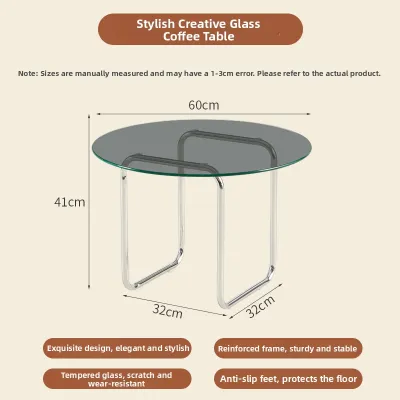
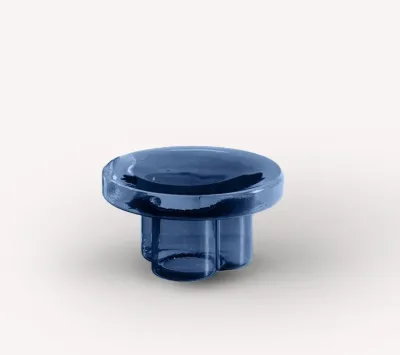
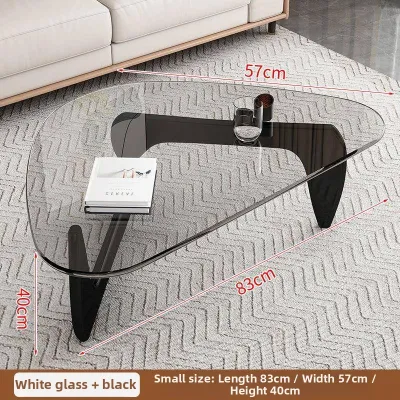
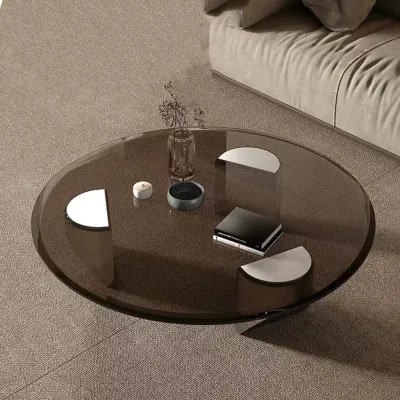
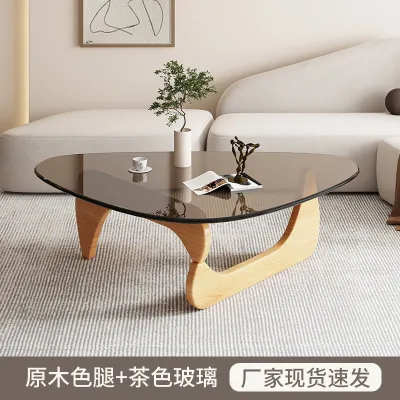
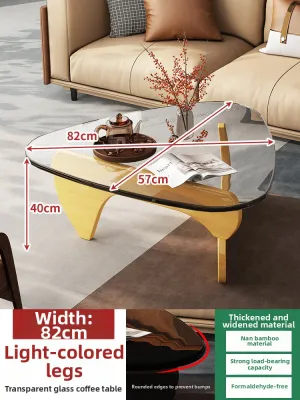

Prices are valid at publication and may change. Please refer to the product page for the latest price.
Calculate essential walkway clearances to maintain comfortable traffic flow. A standard walkway requires a clear path of travel so you do not have to shuffle sideways. If you have a compact layout, such as those commonly found in Singapore apartments, every centimeter counts.
In smaller living rooms, prioritize a layout that allows at least one primary path to remain completely unobstructed. If space is exceptionally tight, consider how the table interacts with nearby furniture pieces like side chairs or media units when drawers are fully extended.
Before finalizing any purchase, do not forget to measure your home’s entry points. Navigating narrow condominium corridors, passenger lifts, and apartment doorways can be challenging with large furniture pieces. Ensure the finished dimensions of the table—especially if it features a non-demountable frame or a single large sheet of glass—can safely clear these tight spaces during delivery.
Match Table Dimensions to Your Sofa and Room Proportions
The length of your glass coffee table should generally align with the scale of your main sofa. A common guideline is to select a table that is approximately one-half to two-thirds the length of the sofa’s seating cushion area. This proportion keeps the arrangement visually balanced and ensures everyone seated can easily reach the table surface.

Check the height of your sofa’s seat cushions before choosing a table. The top surface of the glass coffee table should sit level with or slightly lower than the top of your sofa cushions. A table that is too tall can disrupt the visual line of the room, while one that is too low can be uncomfortable to use.
The width of the table must leave sufficient legroom while remaining within arm’s reach. Measure the distance between the sofa and the TV console to ensure the table’s depth does not squeeze the remaining space. If you have a deep sectional sofa, a wider or more square table may be necessary to fill the central void effectively.
Select the Right Glass Table Shape for Your Floor Plan
Round and oval glass coffee tables are practical for tight or high-traffic layouts. Because they lack sharp corners, they allow for smoother foot traffic and reduce the risk of painful bumps in narrow spaces. This makes them particularly suitable for homes with active households or compact living areas.
The inherent transparency of glass provides a significant visual advantage. In smaller or darker rooms, a glass tabletop allows light to pass through to the floor, making the entire room feel more spacious and less cluttered than it would with a solid wood or stone table. This optical illusion helps preserve the feeling of openness even when using a larger footprint.
For modular, sectional, or multi-directional seating arrangements, the shape of the table should mirror the configuration of the seats. A square or round glass table fits neatly into the L-shaped nook of a sectional sofa, providing equal access from both sides. For traditional parallel seating arrangements, a rectangular or oval table is usually the most functional choice.
Verify Safety and Structural Specifications for Glass Tables
When purchasing a glass coffee table, safety and structural integrity must be verified through official product specifications. Look for clear indications that the table uses tempered glass, which is designed to crumble into small, blunt pieces rather than shattering into sharp shards if broken. Check the product label or manufacturer documentation for safety certifications and thickness specifications.
Examine the design of the base to ensure proper stability and weight distribution. A heavy glass top requires a robust, well-engineered base to prevent tipping, especially if pressure is applied to the edges. Inspect the joints where the glass connects to the frame, ensuring there are secure suction pads, UV-bonded metal plates, or protective gaskets in place.
Verify the manufacturer’s specified load capacity limits before finalizing your purchase. Glass tables are not designed to support heavy loads or serve as footrests unless explicitly rated for such use. Review the care instructions and usage restrictions to ensure the table fits your household’s daily habits and environment.
Pay close attention to the assembly conditions and care instructions provided by the manufacturer. Some glass tables require professional assembly to ensure the heavy top is correctly anchored to the base. Regularly inspect the joints and the finish of the frame for any signs of loosening or wear, as a stable foundation is essential for preventing accidental damage in a busy household.
Frequently Asked Questions (FAQ)
What is the ideal distance between the sofa and the coffee table?
The standard ergonomic clearance between the front edge of your sofa and the edge of the coffee table is typically between 30 and 45 centimeters. This distance provides ample legroom for sitting and standing while keeping the table surface within comfortable reaching distance. If you have reclining furniture or deep lounge seating, you may need to adjust this spacing outward to accommodate the footrest mechanism or a deeper seating posture.
Can a large glass coffee table make a small living room look bigger?
Yes, a glass coffee table can create the illusion of a larger room because its transparent surface allows you to see the floor underneath, reducing visual weight. However, this visual trick only works if the physical dimensions of the table do not physically block your walkways. If a large table forces you to squeeze past it or navigate awkwardly around your seating, the physical restriction will outweigh any visual benefits of transparency.

Community discussion
Share your experience or ask a question. Comments are reviewed before publication.