
Selecting a foldable PVC cupboard for a small HDB common bedroom is a balancing act between maximizing storage and preserving precious floor space. In a typical Singapore home layout where common bedrooms average nine to eleven square meters, every centimeter counts. A cupboard that is too large will make the room feel cramped and block natural light, while one that is too small will fail to organize your belongings. By focusing on precise measurements, clearance zones, and structural limits, you can find a versatile storage solution that fits seamlessly into your home.
Unlike permanent built-in wardrobes, foldable PVC cupboards offer the flexibility to reconfigure your room layout or pack the unit away when not in use. However, this portability means you must pay closer attention to how the unit interacts with your physical space when fully assembled. Taking the time to evaluate your room’s dimensions and your specific storage habits before purchasing will prevent layout mistakes and ensure your new furniture serves its purpose effectively.
Measure Your Available Space and Clearance
Before browsing online marketplaces or local furniture shops, you must establish the absolute maximum footprint your bedroom can accommodate. Begin by measuring the floor length and width of the designated zone using a metal measuring tape for accuracy. Do not rely on floor plans alone, as actual built dimensions can vary slightly. Measure the ceiling height as well, especially if you are considering a tall utility cupboard that maximizes vertical space.
Products mentioned in this guide
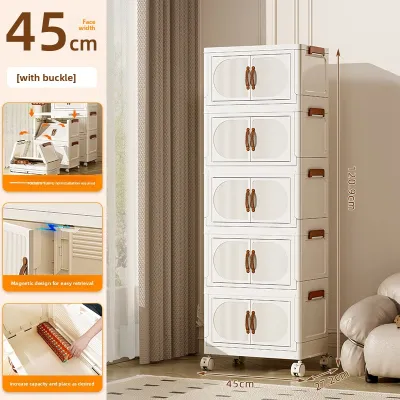
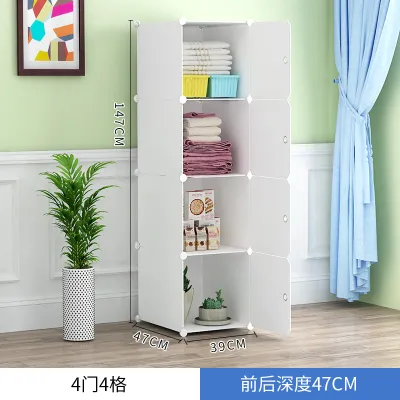
Prices are valid at publication and may change. Please refer to the product page for the latest price.
When taking these measurements, look out for low-profile obstructions that can prevent a cupboard from sitting flush against the wall. Skirting boards along the base of the wall typically add one to two centimeters of depth, which can throw off tight tolerances. Similarly, take note of wall-mounted power sockets, light switches, and internet ports. Blocking these outlets not only limits your access to electricity but can also force you to position the cupboard further forward, eating into your walking space.
Clearance is the most critical factor in maintaining a comfortable bedroom flow. A standard HDB common bedroom requires a clear walking path of at least 60 to 70 centimeters between furniture pieces to allow comfortable movement. Map out the swing paths of your bedroom entry door, adjacent toilet doors, and any nearby desk chairs. If the cupboard is placed too close to these pathways, you risk constant collisions and restricted access.
Finally, inspect the upper portions of your walls for architectural features unique to Singapore public housing. Air-conditioning trunking, copper piping, and structural beams often run along the top corners of HDB bedrooms. If your chosen PVC cupboard is too tall, it may collide with this trunking, forcing you to position the unit away from the wall and creating an awkward, dusty gap behind it.
Match Cupboard Dimensions to Your Storage Needs
Once you have established your maximum spatial limits, you can begin comparing product specifications. Foldable PVC cupboards come in various configurations, and understanding their unfolded footprint is essential. Pay close attention to the depth of the unit; while standard built-in wardrobes are often 60 centimeters deep, space-saving PVC models may range from 40 to 50 centimeters. Ensure this depth is sufficient for your clothes hangers to sit straight without forcing the cupboard doors open.

Because these units are designed to be portable, you must also evaluate their folded dimensions. If you plan to collapse the cupboard during festive seasons, room cleaning, or when hosting guests, verify where the folded frame will be stored. Check if the collapsed thickness allows it to slide under your bed frame, fit inside a household shelter, or stand unobtrusively behind a door. If you move houses frequently, ensure the folded unit can easily fit inside a standard passenger lift and your vehicle.
Internal layout configuration is just as important as external dimensions. Assess what you plan to store to determine the balance of hanging space versus shelving. If you need to hang long dresses, office shirts, or trousers, check the height of the internal hanging rail to ensure clothes do not bunch up at the bottom. For folded t-shirts, bed linens, or storage boxes, look for models with adjustable or well-spaced shelves that maximize vertical storage without wasting overhead space.
Verify Material Limits and Structural Stability
While PVC is highly valued for being lightweight, water-resistant, and easy to clean, it does not possess the same inherent structural rigidity as solid wood or heavy steel. Therefore, you must verify the manufacturer’s stated weight capacity rather than assuming the cupboard can handle unlimited loads. Look for specifications detailing the maximum weight limit per individual shelf as well as the cumulative weight limit for the entire frame.
Inspect the structural design of the cupboard, focusing on the joint mechanisms and locking pins. Foldable furniture relies on these pivot points to remain rigid when expanded. High-quality models often feature reinforced ABS plastic connectors or metal locking joints that prevent the frame from swaying or buckling under load. Avoid units that rely solely on friction fits without physical locking mechanisms, as these can loosen over time with repeated folding and unfolding.
Singapore’s tropical climate, characterized by high humidity and warm temperatures, can affect furniture materials over time. When selecting a PVC cupboard, check if the internal support rods are made of rust-resistant materials, such as powder-coated steel or aluminum. Non-treated metal components can corrode quickly in humid environments, weakening the overall structure. Additionally, ensure the PVC fabric or panels are thick enough to resist sagging when items are placed on the shelves.
Avoid Common Sizing and Placement Mistakes
One of the most frequent mistakes homeowners make is failing to account for the extra space required when cupboard doors are fully open. If you choose a model with outward-swinging doors, you must add the width of the door panel to the cupboard’s depth when calculating clearance. If space is exceptionally tight, consider models with sliding doors, roll-up fabric fronts, or open shelving designs that do not require extra front clearance to access your items.
Another common oversight is ignoring the physical weight of the cupboard when it is empty. While PVC is generally light, heavy-duty foldable models with integrated steel frames can still be cumbersome to lift and assemble alone. If you plan to relocate the cupboard around the room frequently, look for models equipped with lockable caster wheels. Ensure the wheels are made of a material that will not scratch or dent your bedroom flooring, such as polyurethane or rubber.
Finally, avoid placing your PVC cupboard directly under an air-conditioning unit or next to a sun-drenched window. Air-conditioners can occasionally leak water, which can pool on top of the cupboard or seep into fabric joins. Direct, prolonged exposure to sunlight through a window can cause PVC to become brittle, fade, or warp over time. Positioning the cupboard in a well-ventilated area away from direct heat sources will prolong its lifespan and keep your stored clothing in optimal condition.
Frequently Asked Questions (FAQ)
Can a foldable PVC cupboard support heavy winter coats or luggage?
Foldable PVC cupboards are primarily designed for lightweight daily wear, folded clothing, and light organizers. While they can support some heavier items, you must strictly adhere to the manufacturer’s specified weight limits. To store heavier items like winter coats or travel bags safely, distribute the weight evenly across the hanging rail and place the heaviest items, such as luggage, on the bottom shelf. This keeps the center of gravity low and prevents the unit from becoming top-heavy or unstable.
Do I need to anchor a foldable PVC cupboard to the wall?
Whether you need to anchor the cupboard depends on its height, depth, and how it is loaded. Tall, narrow foldable cupboards have a higher risk of tipping over if they are loaded unevenly or if doors are pulled open forcefully. If your unit is over 1.2 meters tall and placed on a carpeted or slightly uneven floor, using anti-tip straps or wall anchors is highly recommended for safety. Before drilling into any HDB walls, identify whether you are dealing with concrete or drywall partitions, use the appropriate wall plugs, and consult a professional installer if you are unsure.

Community discussion
Share your experience or ask a question. Comments are reviewed before publication.