
Selecting the correct display shelf rack requires balancing your available physical space with your specific storage and aesthetic needs. A well-sized unit enhances room flow and safely accommodates your items, while a poorly measured one can obstruct walkways or fail to hold your collection. To find a suitable fit, you must evaluate your room’s physical dimensions, plan for delivery and assembly access, and match the shelf’s load capacity to the items you intend to display.
In compact living environments, such as typical apartments and HDB flats, every centimeter counts. Choosing a display shelf rack is not just about finding an empty wall; it is about ensuring the piece integrates seamlessly into your daily movement. By taking precise measurements and understanding how different shelf configurations impact the visual weight of a room, you can select a unit that is both highly functional and visually appealing.
Measure Your Available Space and Clearances
Before browsing online marketplaces or visiting local furniture showrooms, you must establish the maximum physical boundaries for your new furniture. Start by measuring the floor area where the display shelf rack will sit. Use a metal measuring tape to record the width and depth of the footprint, making sure to measure from the baseboards or skirting boards rather than the bare wall. Because skirting boards can protrude by one to two centimeters, ignoring them can result in a rack that sticks out further than planned or fails to fit into a tight alcove.
Products mentioned in this guide
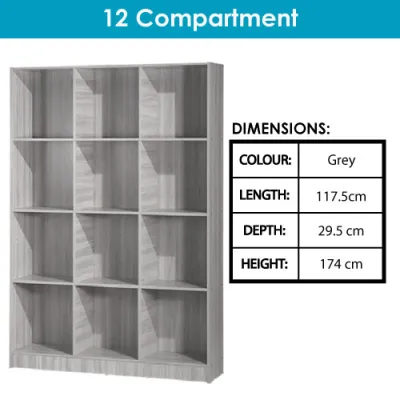
![[SG Stock]Bookcase / Floor Bookshelves / Storage Cabinet / Floating Window Cabinet / Living Room Bedroom Storage Cabinet](https://img.lazcdn.com/g/p/d7cd61bb4a818832d82a15311194df17.jpg_webp_400x400q80.jpg_.webp)
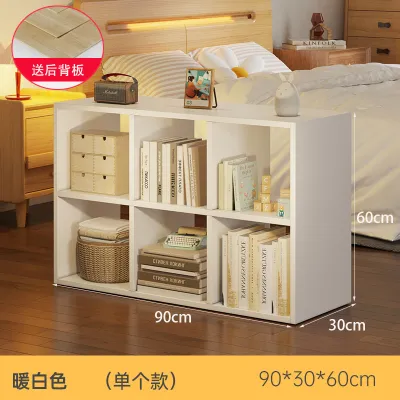
![[SG Stock] Bookcase Shelves Household Living Room Shelves Random Combination Of Storage /Complimentary Backplane](https://img.lazcdn.com/g/p/9a0b8f65d82b163824e1be96eb5a788b.jpg_webp_400x400q80.jpg_.webp)
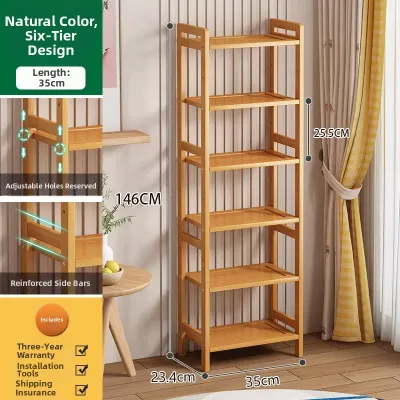

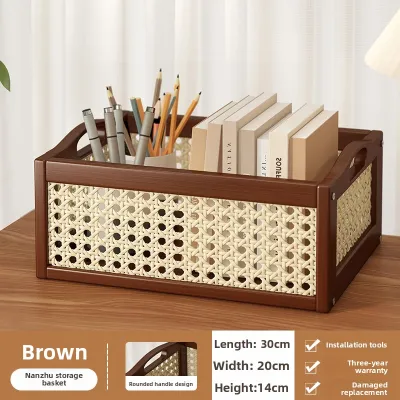
Prices are valid at publication and may change. Please refer to the product page for the latest price.
Vertical space is equally critical, especially if you are considering a tall bookcase or a floor-to-ceiling shelving unit. Measure the height from the floor to the ceiling in at least three different spots along the wall. Floors and ceilings are rarely completely level, and a height variation of even a few millimeters can prevent a tall unit from standing upright. If you plan to install a unit that requires wall anchoring, check for any wall-mounted fixtures, light switches, air conditioning units, or electrical outlets that might be blocked or obstructed.
Do not overlook the journey the furniture must take to reach its final destination. In high-rise residential buildings, you must verify the dimensions of the transit paths. Measure the height and width of your apartment’s entry door, any narrow hallways, stairwells, and particularly the lift or elevator doors and interior cabin. If a display shelf rack is delivered fully assembled, it must fit through these tight spaces. For flat-packed items, ensure there is sufficient floor space in the room to safely lay out the parts and assemble the unit.
Finally, plan for functional clearances around the rack. If the unit is placed near a window, ensure it does not block natural light or interfere with curtain tracks and window openings. Leave a clear path to wall sockets so you can plug in accent lighting or electronic devices without pinching the cords against the back of the shelf. If the rack is positioned near other furniture, such as a sofa or dining table, maintain enough clearance to access both pieces comfortably without feeling cramped.
Match Shelf Dimensions to Your Storage Needs
The physical dimensions of the display shelf rack must align with the specific items you plan to store or showcase. If you intend to display large art books, vinyl records, or deep storage baskets, you will need a shelf depth of at least 30 to 35 centimeters. For smaller items like novels, collectibles, or small potted plants, a shallower depth of 20 to 25 centimeters is often sufficient and prevents the unit from consuming unnecessary floor space.

Vertical shelf spacing determines what can actually fit on each tier. Fixed-shelf units offer excellent structural stability but limit your storage options to items that fit within the pre-set height. If your collection includes items of varying heights, look for a display shelf rack with adjustable shelves. This flexibility allows you to customize the vertical clearance, preventing wasted space above shorter items and accommodating taller decorative pieces or vases without forcing them to lean.
Load capacity is a critical safety and durability factor that varies significantly by material and construction. Always check the manufacturer’s specified weight limit per shelf rather than guessing. Heavy items like books, ceramic pots, and thick glass sculptures should be placed on the lower shelves to keep the unit’s center of gravity low. Distribute weight evenly across each shelf rather than concentrating heavy items in the middle, which can cause wood or metal shelves to sag and weaken over time.
Visually, the proportions of the rack should match the scale of the room and its contents. A massive, solid-wood display shelf rack can overwhelm a small study or bedroom, making the space feel confined. Conversely, a tiny, delicate wire rack might look lost against a large living room wall. If you have a small room but need substantial storage, consider an open-back design or a unit with slender metal frames, which allows the wall color to show through and maintains a sense of openness.
Evaluate Room Layout and Traffic Flow
How you position your display shelf rack directly affects how naturally you can move through the room. In open-plan living areas, a freestanding rack can serve as an elegant room divider, separating a dining area from a living space. If you choose this layout, ensure the back of the rack is fully finished and aesthetically pleasing, or opt for a double-sided open unit. For smaller rooms, placing the rack flush against a wall or utilizing an underused corner with a dedicated corner shelf maximizes floor space.
Maintaining clear walkways is essential for safety and comfort. In high-traffic areas, aim for a minimum walkway width of 90 centimeters to allow people to pass easily. If a household member uses a wheelchair or mobility aid, increase this clearance to at least 100 to 120 centimeters. Ensure that the front of the shelf does not protrude into these pathways, creating a tripping hazard or forcing family members to walk sideways to get past.
Safety must be a primary consideration, particularly for tall, narrow, or top-heavy shelving units. Any display shelf rack taller than 120 centimeters should be securely anchored to the wall to prevent accidental tip-overs. This is especially crucial in households with young children or pets who might attempt to climb the shelves. When purchasing a rack, check if it includes wall-anchoring hardware, and ensure you use the correct wall plugs and screws suitable for your specific wall type, whether concrete, brick, or drywall.
Common Sizing Mistakes to Avoid
One of the most frequent errors when choosing a display shelf rack is failing to account for the depth of baseboards and wall moldings. Because these architectural details sit at the bottom of the wall, they prevent the back of a standard flat-backed rack from sitting completely flush against the wall. This creates a gap at the top, which not only looks untidy but also compromises the stability of the unit and makes secure wall anchoring more difficult. Look for units with baseboard cutouts or plan to use spacer brackets for anchoring.
Another common mistake is underestimating the total volume and weight of your collection. It is easy to buy a rack that fits your current items neatly, only to find you have no room for future acquisitions. Overcrowding shelves not only looks cluttered but can also exceed the manufacturer’s safe load limits, leading to structural bowing or joint failure. Always select a unit that offers slightly more capacity than your current needs require, allowing your collection room to grow.
Finally, many homeowners forget to check the swing radius of nearby doors, cabinets, and windows. A display shelf rack placed too close to an entryway can block the door from opening fully, while a unit positioned near a wardrobe might prevent drawers or cabinet doors from swinging open. Before finalizing the placement, physically open every door, window, and drawer in the immediate vicinity to ensure they have complete clearance and will not strike the shelving unit.
Frequently Asked Questions (FAQ)
How much clearance should I leave around a display shelf rack?
You should consult the manufacturer’s instructions for any specific clearance requirements, especially if the rack is placed near heating sources or air conditioning vents. For general usability and maintenance, leave at least 5 to 10 centimeters of space on either side of the unit. This gap allows you to easily clean and dust around the sides of the furniture and prevents the rack from scraping against adjacent walls or other furniture pieces during minor shifts.
Can I use a tall display shelf in a room with low ceilings?
Yes, you can use a tall display shelf rack in a room with low ceilings, provided you measure carefully and select the right design. To avoid making the room feel cramped, leave a deliberate gap of at least 15 to 20 centimeters between the top of the rack and the ceiling. Opting for a unit with an open-back design, slender vertical supports, or a light color palette will help maintain an airy, spacious feel, preventing the tall furniture from visually overpowering the low-ceilinged room.

Community discussion
Share your experience or ask a question. Comments are reviewed before publication.