
Choosing the right size bookshelf with doors requires balancing your room’s physical dimensions with the clearance needed to fully open the doors. Unlike open bookcases, a bookshelf with doors demands extra space in front of the unit for door swings or sliding mechanisms, as well as precise depth measurements to ensure it does not block walkways. By measuring your floor footprint, accounting for architectural features like skirting boards, and matching the shelf depth to your storage needs, you can select a unit that fits your home perfectly.
Measure Your Available Space and Clearances
Measuring the floor footprint is the first step in finding a bookshelf that fits your room. Use a metal measuring tape to measure the width and depth of the designated wall space. Always measure at three different heights—near the floor, in the middle, and near the ceiling—as walls in many homes are not perfectly plumb. If there is a variance in these measurements, use the smallest dimension as your guide to ensure the unit fits without scraping the walls.
Account for skirting boards or baseboards along the bottom of the wall. These architectural details prevent the bookshelf from sitting completely flush against the wall unless the unit has a baseboard cutout at the back. Measure the thickness and height of your skirting boards so you can factor this gap into your overall depth calculations, or look for furniture specifically designed with a recessed back to accommodate them.
Products mentioned in this guide
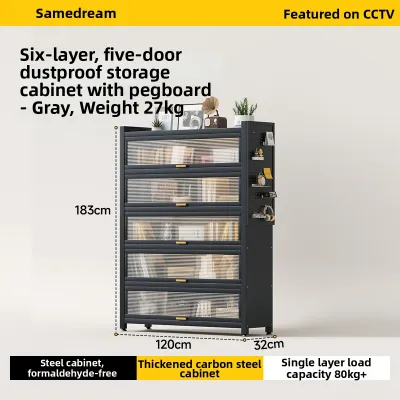
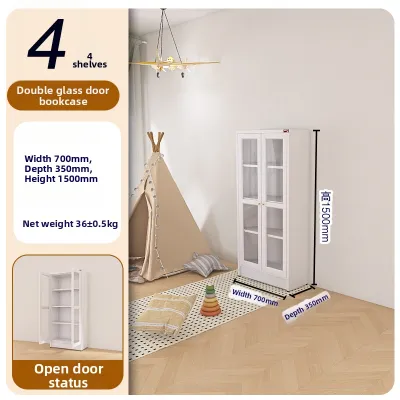
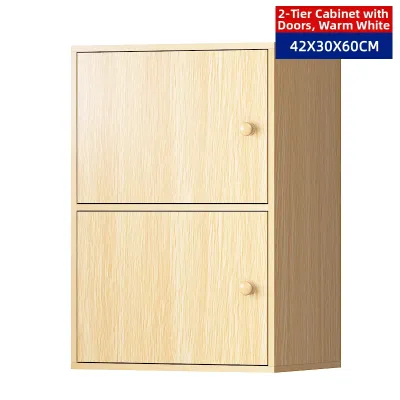
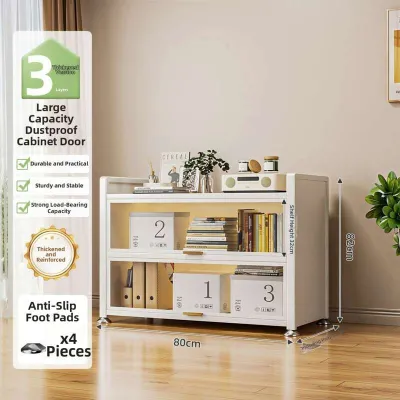
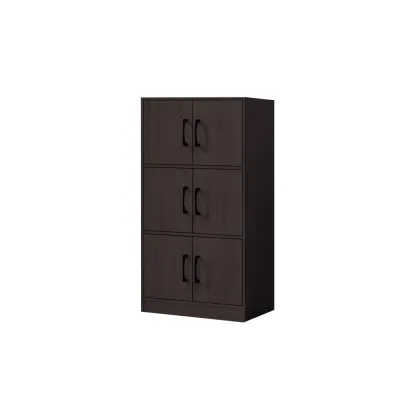

![[A-STAR] 2 + 1 Door Display Bookcase cabinet Storage shelves (FREE INSTALL)](https://img.lazcdn.com/g/p/1df4088b89e8e18be5053c22636e398b.jpg_400x400q80.jpg_.webp)
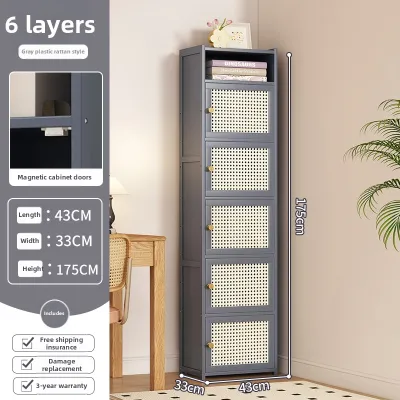
Prices are valid at publication and may change. Please refer to the product page for the latest price.
Ceiling height is another critical dimension, particularly if you are considering tall or floor-to-ceiling cabinets. Measure from the floor to the lowest point of the ceiling, keeping an eye out for any structural beams, cornices, or light fixtures. If you plan to assemble the bookshelf flat on the floor and raise it upright, you will need extra clearance; the diagonal height of the unit must be less than your ceiling height to allow it to stand up.
Door swing clearance is a unique requirement for bookshelves with doors. Standard hinged doors require a clear arc in front of the unit equal to the width of the door panels. Measure the distance from the front of the bookshelf to the nearest piece of furniture or walkway boundary to ensure the doors can open to a full 90 degrees or more without obstruction.
Walkway space must remain functional even when the cabinet doors are fully open. In high-traffic areas like corridors or living rooms, ensure there is enough clearance for a person to pass by comfortably while the doors are open. If space is tight, this measurement will help you decide between traditional hinged doors and space-saving sliding doors.
Match Dimensions to Your Storage Capacity Needs
The depth of your bookshelf should directly reflect the items you plan to store inside. Standard novels and paperbacks typically require a shelf depth of about 20 to 25 centimeters, while larger art books, binders, and storage boxes may need 30 centimeters or more. Measure your largest items before shopping to ensure they will fit completely inside with the doors closed, keeping in mind that the doors themselves take up a small amount of internal depth.

Adjustable shelves offer the flexibility needed to maximize vertical space. Fixed shelves can leave large, unusable gaps above shorter books or prevent you from storing taller items altogether. Look for units with pre-drilled peg holes that allow you to customize the height of each compartment as your collection changes over time, which helps prevent wasted vertical space.
Weight capacity is a vital safety and durability consideration that varies by material and construction. Heavy items like encyclopedias, textbooks, or ceramic display pieces can cause shelves to sag over time if they exceed the manufacturer’s load limits. Check the specifications for the maximum weight limit per shelf, and consider shorter shelf spans or thicker materials if you have a dense collection.
The presence of doors also affects how you organize your items. Items stored behind solid doors are hidden from view, making these sections ideal for less attractive storage boxes or paperwork. Glass doors, on the other hand, protect delicate items from dust while keeping them on display, which requires a more organized arrangement inside.
Navigate Room Constraints and Layout Considerations
In compact living spaces, such as typical apartments in Singapore, every square centimeter of floor space counts. If a standard hinged door bookshelf blocks a walkway when opened, a sliding door model is an excellent alternative. Sliding doors operate entirely within the footprint of the unit, allowing you to place other furniture closer to the bookshelf without restricting access.
Environmental factors in your room can affect the longevity of both the bookshelf and its contents. Avoid placing the unit directly under air conditioning vents, where condensation or rapid temperature changes can warp wood or composite materials. Similarly, keep the bookshelf away from direct sunlight to prevent the finish from fading and pages from yellowing, and ensure there is a small gap behind the unit for air circulation to prevent moisture buildup.
Delivery and installation access is a frequently overlooked constraint that can halt your project before it begins. A large, fully assembled bookshelf might not fit through narrow doorways, tight staircase turns, or apartment elevators. Measure the height, width, and diagonal clearance of all entry points from the delivery vehicle to the final room destination.
If your home has restricted access, flat-pack furniture or modular systems that can be assembled directly in the room are highly practical choices. For larger, pre-assembled units, verify if the doors and shelves can be temporarily removed to make the frame lighter and easier to maneuver through tight spaces.
Avoid Common Sizing and Placement Mistakes
One common mistake is relying solely on the nominal depth listed by the manufacturer without accounting for hardware. Door hinges, handles, and decorative knobs can add several centimeters to the overall depth of the unit. Ensure your clearance measurements account for these protrusions, especially if the bookshelf is placed behind a room door or next to a walkway.
The visual weight of a bookshelf can dramatically alter how spacious a room feels. A tall, wide unit with solid wooden doors can dominate a small room, making it feel cramped and dark. To maintain a balanced spatial perception, consider a unit with glass doors on the upper half to reflect light, or choose a lighter color finish that blends in with your walls.
Blocking essential wall utilities is another frequent error in space planning. Before positioning your bookshelf, locate all power outlets, light switches, data ports, and wall-mounted controllers. Covering these utilities with a heavy bookshelf can make them inaccessible, so you may need to choose a narrower unit, cut access holes in the back panel, or position the bookshelf slightly away from the wall.
Finally, always check the stability and anchoring requirements of your chosen bookshelf. Tall units, especially those with heavy doors that shift the center of gravity forward when opened, pose a tip-over hazard. Ensure the wall material is suitable for anchoring brackets, and avoid placing heavy items on the upper shelves to keep the unit stable.
Frequently Asked Questions (FAQ)
How much space should I leave between the top of the bookshelf and the ceiling?
Leaving a gap of at least 10 to 15 centimeters between the top of the bookshelf and the ceiling is highly recommended. This space provides essential visual breathing room, preventing the room from feeling overly cramped. Practically, it also allows you to dust the top of the unit easily and ensures adequate air circulation to prevent heat and moisture from becoming trapped near the ceiling.
Can I place a bookshelf with doors over a floor vent or radiator?
It is best to avoid placing a bookshelf directly over or in front of any heating, ventilation, or air conditioning sources. Blocking these fixtures restricts airflow, which reduces the heating or cooling efficiency of your home. Furthermore, the direct exposure to dry heat or temperature fluctuations can cause wood to warp, crack, or split, and can damage the items stored inside the cabinet.

Community discussion
Share your experience or ask a question. Comments are reviewed before publication.