
Finding the right bag stand rack for a compact HDB entryway requires balancing daily storage needs with the physical limits of your floor plan. To make the best choice, you must measure your available floor area, account for door swing paths, and select a rack depth that keeps walkways clear even when fully loaded with bulky bags. By focusing on vertical space and verifying weight capacities, you can keep your home’s entrance organized without making the space feel cramped.
Measure Your Entryway Space and Clearance
Before browsing online marketplaces or furniture showrooms, you need a precise map of your entryway floor space. Grab a measuring tape and record the exact width and depth of the specific wall, corner, or corridor segment where you plan to place the rack. It is easy to misjudge these dimensions by eye, which often leads to buying furniture that juts out into high-traffic zones.
Next, map out the swing arcs of your main door, safety gate, and any adjacent interior doors. A bag stand rack placed too close to these hinges can restrict how wide your doors can open, creating a daily annoyance or even a safety hazard during emergencies. Ensure the rack sits completely outside these operational paths.
Products mentioned in this guide
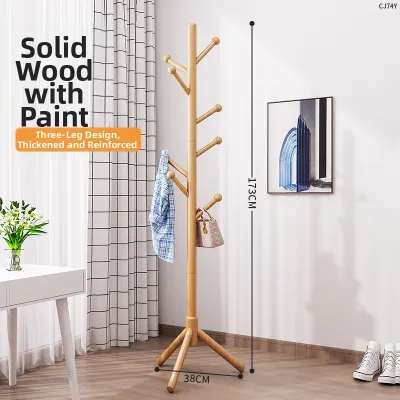
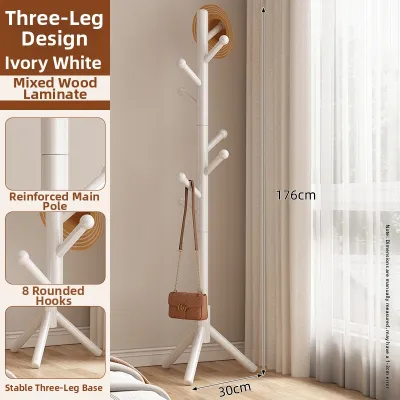
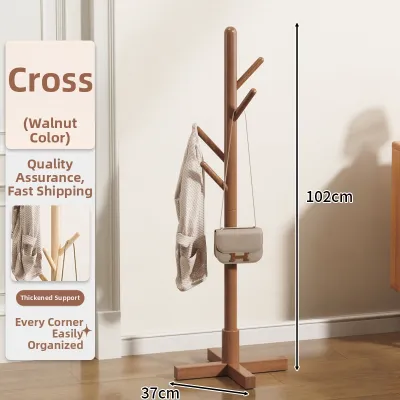

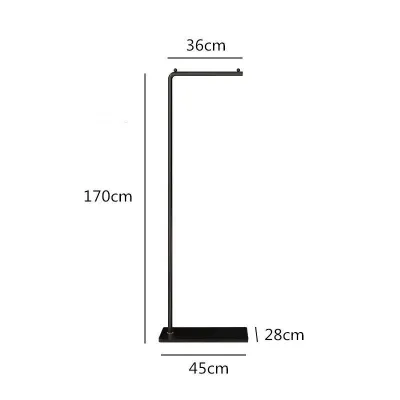

Prices are valid at publication and may change. Please refer to the product page for the latest price.
Finally, calculate the remaining walkway clearance to ensure household members can pass comfortably. In typical HDB layouts, corridors can feel narrow quickly when furniture is introduced. Aim to preserve enough open space so that two people can pass each other, or at least one person can carry groceries through the door without brushing against the rack.
Determine the Ideal Dimensions for Your Bag Stand Rack
Once you have your entryway measurements, you can establish the maximum dimensions for your new furniture piece. For the depth, prioritize slim-profile designs that sit as flush against the wall as possible. Standard freestanding models often feature wide, splayed legs, so look for options specifically engineered with flat or semi-circular bases that minimize forward protrusion.

When assessing width, match the rack to your designated wall segment while leaving a buffer on either side. You must ensure the frame does not overlap with essential wall fixtures such as light switches, intercom units, or existing shoe cabinets. Blocking access to these daily touchpoints will quickly make your entryway frustrating to use.
Height is an excellent tool for maximizing storage in a small footprint, but it requires careful planning. Taller racks allow you to stack hooks vertically, which is ideal for hanging multiple bags without widening the base. However, you must verify that a tall unit will not block wall-mounted mail organizers, decorative mirrors, or electrical distribution boards, and that it will not visually overwhelm a low-ceilinged space.
Evaluate Capacity and Weight Limits
A bag stand rack is only useful if it can safely support your household’s daily gear without bending or wobbling. Start by estimating the number and type of bags your family uses regularly, including heavy work backpacks, laptop bags, handbags, and reusable grocery totes. Knowing your typical load helps you determine how many individual hooks or tiers you actually need.
Because you cannot test every rack in person, you must carefully check the manufacturer’s stated weight capacity before purchasing. Look for specifications that detail both the total weight limit and the maximum load per hook. For freestanding models, these limits are critical to preventing structural failure over time.
The stability of a freestanding rack depends heavily on its base footprint and center of gravity. A wider or heavier base provides better resistance against tipping, but it also occupies more floor space. If you choose a model with a compact base, look for designs that incorporate heavy materials at the bottom, such as solid wood or weighted metal plates, to keep the unit grounded when loaded.
Space-Saving Designs and Placement Strategies
If your HDB entryway has exceptionally limited floor space, traditional freestanding racks might not be the best fit. In these tight configurations, consider wall-mounted coat racks or over-the-door hook systems. These alternatives completely free up your floor area, making it easier to clean the entryway and keep the walkway unobstructed.
Multi-functional designs are another highly effective way to reduce furniture clutter in small homes. Look for integrated units that combine bag hooks with built-in umbrella stands, small shoe benches, or key trays. Consolidating these functions into a single piece of furniture eliminates the need for multiple separate organizers, saving valuable square footage.
You can also optimize your layout by utilizing awkward corners or the dead space directly behind your main door. If your door swing allows for a small clearance behind it when open, an ultra-slim rack can be tucked away there out of sight. Alternatively, a corner-specific rack can turn an underutilized nook into a highly functional storage zone.
Common Sizing Mistakes to Avoid
One of the most frequent errors homeowners make is ignoring the physical depth of the bags themselves when calculating clearance. A slim rack might only protrude a short distance from the wall, but once you hang a fully packed backpack or a structured handbag, the total depth can easily double. Always factor in this extra bulk when planning your walkway clearance.
Another common mistake is overestimating vertical clearance and accidentally blocking essential entryway features. A tall rack can easily obstruct your door’s peephole, the household intercom system, or wall-mounted mailboxes. Take note of these fixtures’ heights before buying to ensure your rack sits safely below or to the side of them.
Finally, avoid choosing a rack with a base that extends beyond your allocated floor footprint. A base that sticks out even slightly into the main path creates a persistent tripping hazard, especially in low-light conditions. It can also block the doors of adjacent shoe cabinets, forcing you to constantly shift furniture just to access your footwear.
Frequently Asked Questions (FAQ)
Can I use a freestanding bag stand rack if my HDB entryway is very narrow?
Yes, you can use a freestanding rack in a narrow entryway, provided you select a model with a semi-circular or flat-backed base designed to sit flush against the wall. However, you must measure the base depth carefully to ensure it leaves comfortable passing space. If your walkway clearance falls below a comfortable threshold for daily movement, switching to wall-mounted hooks is generally a safer and more practical choice.
How do I prevent a tall bag stand rack from tipping over in a busy entryway?
To secure a tall freestanding rack, look for models that include anti-tip wall anchors or hardware to secure the frame directly to the wall. You should also choose a rack with a weighted base to keep the center of gravity low. When organizing your items, always place your heaviest bags on the lowest hooks and distribute the weight evenly around the rack to maintain balance.

Community discussion
Share your experience or ask a question. Comments are reviewed before publication.