
Finding the right capacity for a simple shoe rack requires balancing your household’s daily footwear habits with the physical limits of your entryway or foyer. A rack that is too small leads to cluttered floors, while an oversized unit can block essential pathways and make your home feel cramped. By measuring your available space and auditing your active shoe collection, you can select a configuration that keeps your entryway organized and safe.
Assess Your Floor Space and Clearance Requirements
Before looking at product listings, grab a measuring tape to define the maximum footprint your space can accommodate. Measure the available floor width and depth precisely. Remember to account for baseboards, which can prevent a flat-backed rack from sitting flush against the wall, stealing valuable millimeters of clearance.
Consider door swings and existing furniture. If your front door opens inward, measure the arc of the door swing to ensure the rack does not obstruct it. Similarly, check the clearance around nearby closet doors, drawers, or adjacent furniture pieces to prevent physical collisions during daily use.
Products mentioned in this guide
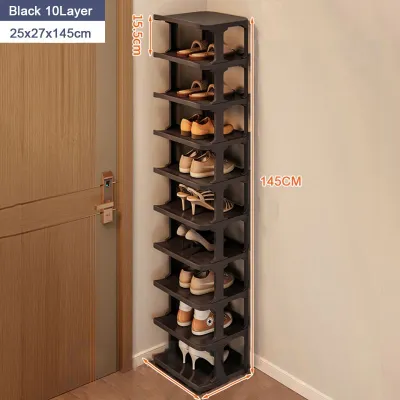
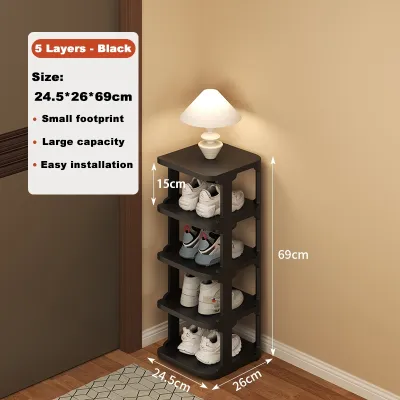
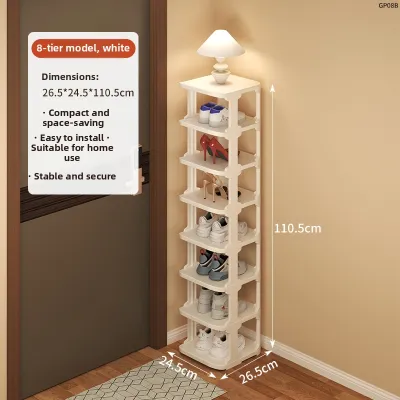
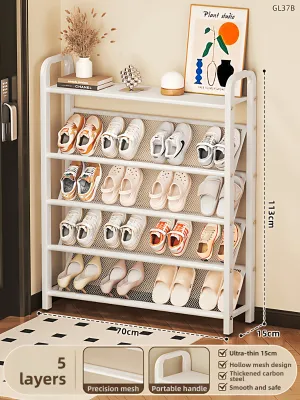
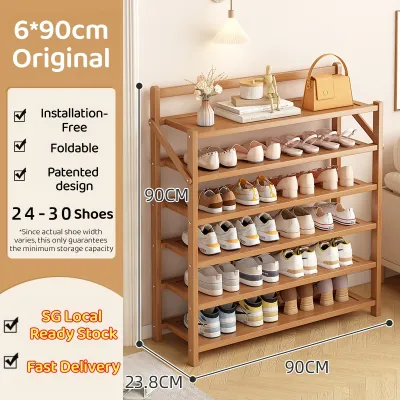
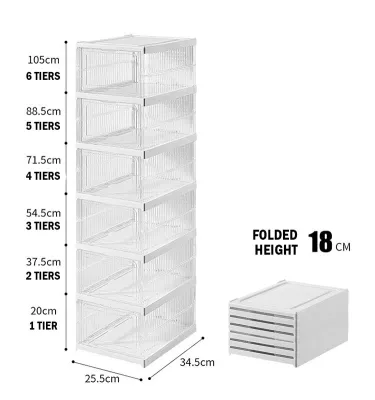
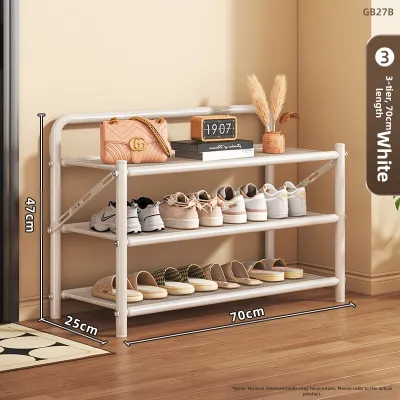
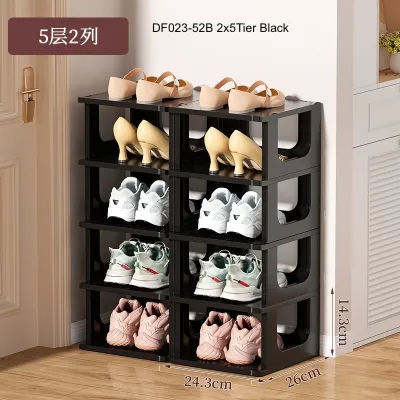
Prices are valid at publication and may change. Please refer to the product page for the latest price.
Vertical clearance is equally critical. If you plan to place your simple shoe rack under an entryway console table, beneath a wall-mounted mirror, or under a sloped ceiling, measure the height from the floor to the lowest obstruction. Leaving a comfortable gap above the top tier allows you to easily retrieve shoes from the highest shelf without scraping your hands.
Finally, evaluate the pathway width. Entryways are high-traffic zones where family members transition in and out of the home. Ensure the depth of the shoe rack leaves ample room for comfortable walking, carrying groceries, or moving large items. Obstructing these pathways not only creates daily inconvenience but can also pose a serious hazard during emergency evacuations.
Calculate Your Household Shoe Storage Needs
Establish a baseline by counting active footwear. Gather all the shoes currently left near the entrance by each household member. This count represents your immediate, daily-use storage requirement. It is often surprising how quickly a small family can accumulate a dozen pairs of active shoes at the door.

Factor in specialized and bulky footwear. Standard shoe rack capacity estimates are typically based on average-sized flat shoes or sneakers. If your household frequently wears high heels, ankle boots, safety boots, or high-top sneakers, these items will occupy more vertical and horizontal space. You must also account for guest slippers or temporary storage for visitors’ shoes.
Define the primary function of the rack. Decide whether this simple shoe rack will serve as the primary storage for your entire footwear collection or merely as a temporary landing pad for active daily pairs. If you have a separate wardrobe or closet for off-season storage, a smaller, low-profile rack at the entryway is usually sufficient. If it must hold everything, you will need to prioritize a higher-capacity configuration.
Match Rack Dimensions to Tier and Pair Configurations
Compare horizontal and vertical layouts. If you have a wide hallway or a spacious foyer, a low-profile, wide shoe rack with two or three tiers is highly accessible and can double as a convenient bench. Conversely, if floor space is limited, a tall, narrow multi-tier rack utilizes vertical space efficiently, allowing you to store more pairs without expanding the physical footprint.
Verify manufacturer specifications against actual shoe sizes. Product descriptions often state a maximum pair capacity, but this is a theoretical limit based on standard shoe widths. Larger men’s shoes, wide-soled sneakers, and bulky boots will naturally reduce the number of pairs you can fit on a single tier. Always check the physical width of the shelves and compare it to the width of your shoes to estimate realistic capacity.
Consider adaptable and modular designs. If you anticipate your household size or shoe collection growing, look for simple shoe racks that offer extendable widths, adjustable shelf heights, or stackable frames. These features allow you to customize the spacing between tiers to accommodate taller boots or add extra levels later without needing to purchase an entirely new unit.
Avoid Common Sizing and Placement Mistakes
Do not underestimate the depth of the rack. While width and height are obvious dimensions, the depth of a shoe rack is what most frequently causes layout issues in narrow corridors. A rack that protrudes too far into a hallway can catch on clothing, bump against shins, and make the space feel claustrophobic. Ensure the depth aligns with your largest pair of shoes while leaving a clear walking path.
Prioritize stability and weight limits. Tall, narrow shoe racks are particularly susceptible to tipping if they are overloaded or unevenly balanced. Always check the manufacturer’s stated weight capacity per tier and place heavier footwear, like work boots, on the bottom shelves to lower the center of gravity. If you choose a tall vertical model, verify if it includes wall-anchoring hardware to secure it safely, especially in homes with active pets or young children.
Ensure proper ventilation and moisture control. Shoes worn throughout the day naturally trap moisture and odors. Placing them on a solid, enclosed shelf without adequate airflow can lead to mold growth and unpleasant smells. Opt for simple shoe racks with slatted shelves, mesh grids, or open-frame designs that promote continuous air circulation, keeping both your footwear and your entryway fresh.
Frequently Asked Questions (FAQ)
How many pairs of shoes should a simple shoe rack hold for a family of four?
For a family of four, a practical baseline is to allocate space for three to four pairs of active shoes per person, resulting in a total capacity of 12 to 16 pairs. This allows each family member to keep their daily work or school shoes, a casual pair, and athletic footwear at the entrance. However, if your family members wear larger shoe sizes or bulky boots, you may need to look for a rack rated for 18 to 20 pairs to ensure everything fits comfortably without overcrowding.
Can I place a tall simple shoe rack in a narrow public housing or condo hallway?
Before placing any furniture in a shared corridor, you must consult the guidelines set by your local public housing authority, such as the Housing & Development Board in Singapore, or your condominium’s management corporation. These regulations typically require maintaining a minimum clear escape passage width—often around 1.2 meters—to ensure safe evacuation during emergencies. If your hallway is too narrow, a tall or wide shoe rack could violate fire safety rules, so you should opt for a slim, wall-mounted, or indoor storage solution instead.

Community discussion
Share your experience or ask a question. Comments are reviewed before publication.