
Selecting the ideal shoe stool bench for your home is a balancing act between daily convenience, storage capacity, and entryway space. In Singapore, where removing shoes before entering the home is a universal practice, the entryway quickly becomes a high-traffic zone. A cluttered foyer not only disrupts the visual flow of your home but also creates physical obstacles. To find a bench that serves your household effectively, you must look beyond aesthetic appeal and evaluate how many pairs of shoes need immediate, active storage, how those shoes occupy physical space, and how the bench integrates into your floor plan.
By matching the physical capacity of a shoe stool bench to your household’s specific habits, you can maintain an organized, welcoming entrance. This decision involves analyzing your current footwear inventory, understanding how different shoe styles affect shelf space, and measuring your entryway to ensure comfortable clearance. Whether you are furnishing a compact Build-To-Order (BTO) flat or a spacious condominium, a systematic approach to capacity selection will help you avoid common purchasing mistakes and find a piece that offers both comfortable seating and efficient storage.
Assess Your Household's Footwear Collection
To determine the right capacity for your shoe stool bench, start by auditing the footwear your household uses on a daily basis. Distinguish between active daily wear and long-term storage. Daily wear typically includes school shoes, work shoes, and casual sandals or slides that family members wear multiple times a week. Occasional footwear, such as formal dress shoes, hiking boots, or seasonal items, should be stored in main wardrobes or dedicated shoe cabinets elsewhere in the home, leaving the entryway bench reserved strictly for high-frequency pairs.
Products mentioned in this guide
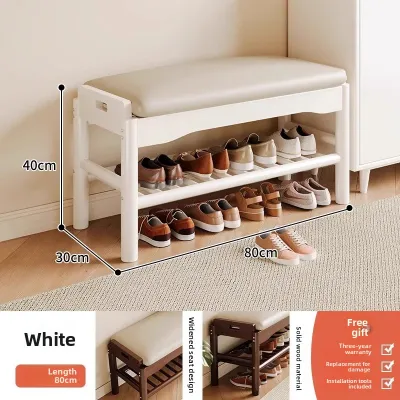
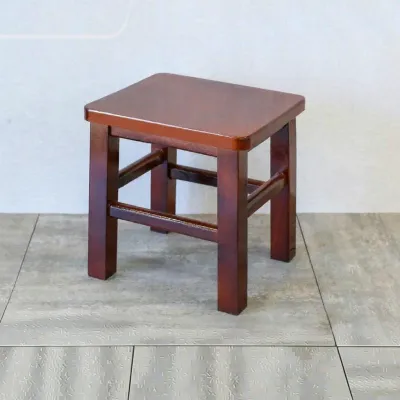
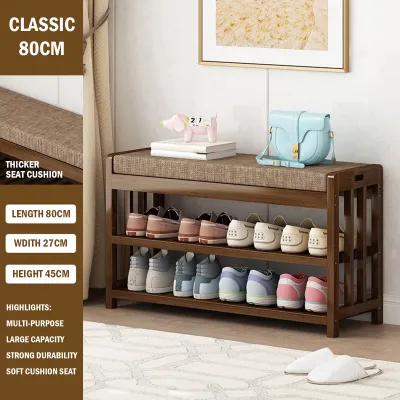
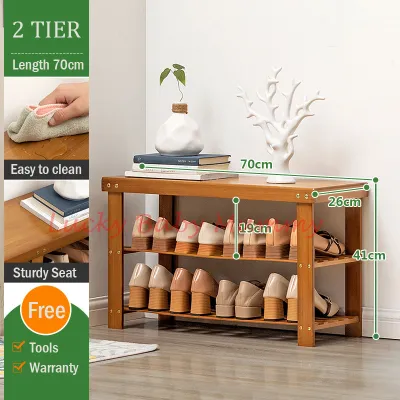
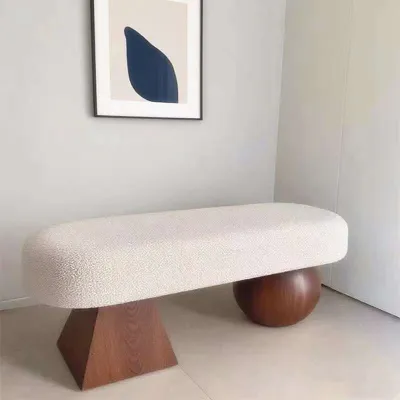
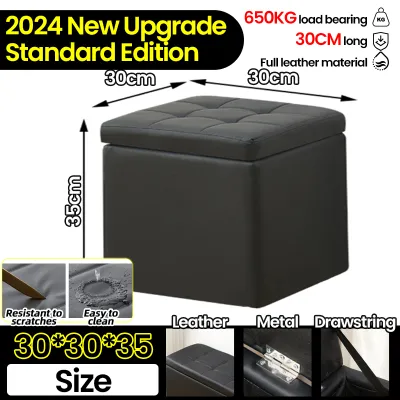
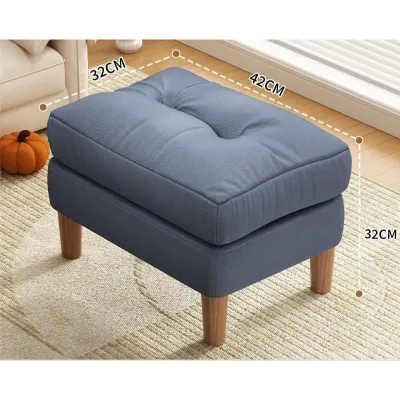
Prices are valid at publication and may change. Please refer to the product page for the latest price.
Next, calculate the active shoe count based on your household size. For a household of three people, if each person keeps two pairs of active shoes at the door, you will need a bench that comfortably accommodates at least six pairs. It is also wise to factor in extra capacity for regular guests. If you frequently host friends or family, adding space for two additional pairs ensures that visitors have a designated spot to place their shoes, keeping your threshold clear and safe from tripping hazards.
Finally, categorize your household’s shoes by their physical profiles. Children’s shoes, flat sandals, and slim sneakers take up minimal horizontal and vertical space, allowing you to maximize shelf capacity. Conversely, men’s leather dress shoes, athletic trainers with thick soles, and high-top sneakers require significantly more room. Understanding the mix of shoe types in your household prevents situations where a bench rated for six pairs only fits four because of the bulky nature of the footwear.
Translate Shoe Volume into Bench Dimensions
Once you have a clear count of the active shoes requiring storage, translate this volume into physical bench specifications. Manufacturers often state capacity in terms of “pairs of shoes,” but this is a general estimate based on standard shoe sizes. To ensure an accurate fit, measure the width of your household’s widest shoes. A standard pair of men’s shoes typically requires 20 to 25 centimeters of horizontal shelf width, while women’s shoes require about 18 to 22 centimeters. Multiply these widths by the number of pairs you plan to store per tier to determine the minimum shelf width you need.

Vertical spacing is equally critical when evaluating a shoe stool bench. Standard shelves usually offer a vertical clearance of 15 to 18 centimeters, which is ideal for flats, sneakers, and low-profile loafers. If your household frequently wears ankle boots, high heels, or high-top sneakers, look for benches with adjustable shelves or asymmetrical compartments that offer greater vertical clearance. Some benches feature a taller side compartment specifically designed for boots, alongside standard double-tiered shelves for flatter shoes, allowing you to optimize space without crushing your footwear.
The choice between open shelving and enclosed compartments also directly impacts both capacity and maintenance. Open wire or wooden slatted shelves allow for quick visual identification and excellent airflow, which is highly beneficial in Singapore’s humid climate to prevent moisture buildup and odor. However, enclosed compartments, such as drawers or drop-down cabinets, offer a cleaner aesthetic by hiding shoe clutter and protecting footwear from dust. If you opt for an enclosed design, ensure it features ventilation holes or slatted doors to maintain air circulation, and verify that the internal hinges do not obstruct the usable storage width.
Beyond storage dimensions, verify the structural integrity and seating weight limit of the bench. Because a shoe stool bench is designed for sitting, it must safely support the weight of an adult. Check the manufacturer’s specifications for the maximum load capacity, which typically ranges from 100 to 150 kilograms for standard benches. Look for robust frame materials, secure joints, and stable legs that do not wobble when weight is applied. If the bench is intended for older adults or young children, prioritize designs with a stable, wide base and comfortable seat padding to ensure safety during daily use.
Verify Entryway Space and Clearance
A shoe stool bench must fit harmoniously within your entryway without obstructing the natural flow of traffic. Begin by measuring the available floor space, paying close attention to both width and depth. In many modern apartments, entryways are narrow corridors where every centimeter counts. A bench that is too deep will encroach on the walkway, making it difficult to carry groceries or move through the front door. Standard shoe benches typically range from 30 to 40 centimeters in depth; choosing a slim-profile bench can help keep your walkway clear while still providing adequate storage for average-sized shoes.
In addition to the physical footprint, account for operational clearances. Measure the swing arc of your main door, security gate, and any nearby closet doors to ensure they can open fully without striking the bench. There should also be sufficient clearance for a person to stand comfortably in front of the bench, open any cabinet doors, and sit down without feeling cramped. Leaving a small gap of 2 to 3 centimeters between the bench and the wall can also prevent scuff marks on your paintwork and allow for better air circulation.
Visual weight is another important consideration in compact entryways. A solid, dark-colored closed cabinet bench can make a small foyer feel dark and congested. To maintain an airy feel, consider an open-frame bench made of light wood or metal, which allows light to pass through and visually expands the space. If you require closed storage, look for benches with light-colored finishes, clean lines, and integrated handles that blend seamlessly with your walls.
Finally, consider the logistics of delivery and installation. Before finalizing your purchase, measure the dimensions of your apartment lift, stairwells, and front doorway to ensure the bench can be easily transported into your home, especially if you are purchasing a pre-assembled model. If the bench requires home assembly, verify that you have sufficient space in your living area to assemble the piece safely before moving it into its final position in the entryway.
Avoid Common Capacity and Sizing Mistakes
One of the most frequent mistakes buyers make is overlooking the height of specialized footwear. It is common to purchase a standard two-tier bench only to realize that your favorite ankle boots, high-top sneakers, or platform sandals do not fit on the shelves. This forces you to leave these bulkier shoes on the floor next to the bench, defeating the purpose of having an organizer. To avoid this, always measure the height of your tallest daily shoes and compare them to the shelf clearance before buying, or select a bench with removable shelves that can adapt to your changing storage needs.
Another common error is ignoring the dual-purpose nature of the bench and failing to test its seating durability. Some low-quality shoe organizers are marketed as benches but lack the structural reinforcement required to support an adult’s weight safely over time. Sitting on an unstable bench can cause the joints to loosen, leading to wobbling or structural failure. Always check the manufacturer’s weight rating and inspect the quality of the hardware and joints. Investing in a bench with a sturdy solid wood or metal frame ensures long-term safety and durability.
Buyers also frequently underestimate their future storage needs. A household’s shoe collection naturally fluctuates, and a bench that is perfectly filled on day one will quickly overflow when new shoes are purchased or when children grow into larger sizes. To prevent post-purchase regret, it is wise to choose a bench with slightly more capacity than your current active count, or pair a compact seating bench with a secondary shoe cabinet located in another part of the home. This hybrid approach keeps your entryway tidy while accommodating your entire footwear collection.
Lastly, do not forget to check the floor protection on the bench legs. Dragging a heavy bench across tiled, vinyl, or parquet flooring during cleaning can cause permanent scratches and scuffs. Ensure the bench comes equipped with rubber feet or felt pads, or install them yourself before placing the bench in your entryway. This simple step protects your flooring and makes it easier to slide the bench slightly when cleaning the floor underneath.
Frequently Asked Questions (FAQ)
How many pairs of shoes typically fit on a standard shoe stool bench?
The number of pairs that fit on a standard shoe stool bench depends primarily on the bench’s width and the number of tiers. A compact bench with a width of 60 to 80 centimeters and two tiers typically accommodates four to six pairs of adult shoes. Larger benches measuring 100 to 120 centimeters in width can hold eight to ten pairs across two tiers. However, because shoe sizes and styles vary significantly, you should always measure the width of your own shoes and compare them to the manufacturer’s specified shelf dimensions rather than relying solely on estimated pair counts.
Should I choose an open rack or closed cabinet for my shoe bench?
The choice between an open rack and a closed cabinet depends on your household’s priorities regarding ventilation, aesthetics, and maintenance. Open racks offer excellent airflow, which allows damp or sweaty shoes to dry quickly—a crucial factor in Singapore’s humid climate to prevent mold and unpleasant odors. They also provide quick, unobstructed access to your daily footwear. On the other hand, closed cabinets offer a neat, minimalist appearance by hiding shoe clutter from view and protecting your footwear from settling dust. If you prefer a closed cabinet, look for designs with slatted doors or built-in ventilation grilles to ensure adequate air circulation.

Community discussion
Share your experience or ask a question. Comments are reviewed before publication.