
To choose the right shoe stand capacity, you must balance your household’s active shoe count with your available entryway space. A basic rule of thumb is to allocate four to six slots per adult and two to three slots per child for daily-use footwear, then add a 20% buffer for seasonal items or guests. Selecting a shoe stand that is too small leads to cluttered entryways, while an oversized unit can block vital walkways and door swings in your home. Finding the perfect balance requires auditing your current collection, measuring your physical space, and choosing a design that maximizes vertical efficiency.
Assess Your Current and Future Shoe Collection
Before browsing online marketplaces or visiting furniture showrooms, you need an accurate count of the footwear your household actually owns. Gather every family member’s shoes from closets, entryways, and under-bed storage to conduct a thorough audit. Group the shoes into categories: daily wear, formal or work shoes, athletic footwear, and seasonal or specialty items. This physical count provides a realistic baseline of your storage needs, preventing you from underestimating how much space your collection requires.
It is equally important to factor in future growth when calculating your ideal shoe stand capacity. Footwear collections are rarely static; children grow out of sizes quickly, hobbies change, and seasonal trends bring new purchases. Adding a buffer of 15% to 20% to your current total ensures your new shoe stand remains functional for years to come. If you currently store 20 pairs of shoes, aiming for a stand that accommodates 24 pairs prevents immediate overflow issues.
Products mentioned in this guide
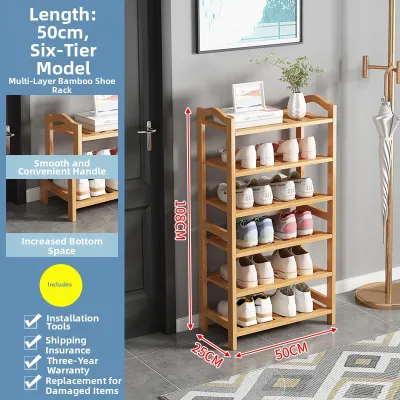
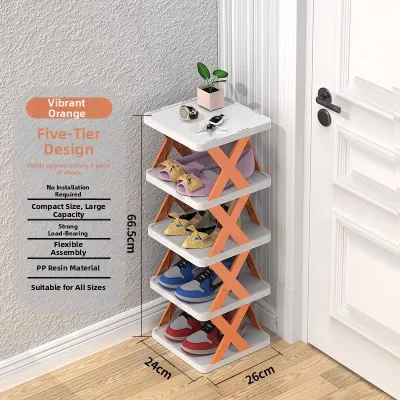
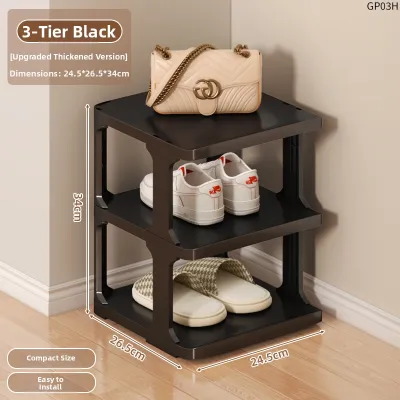
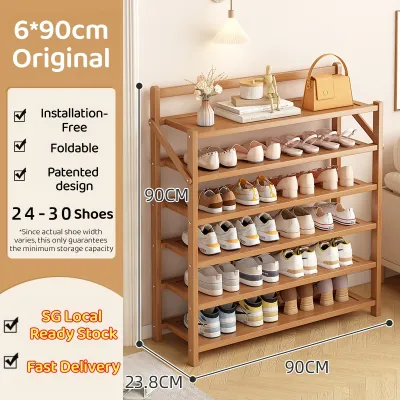
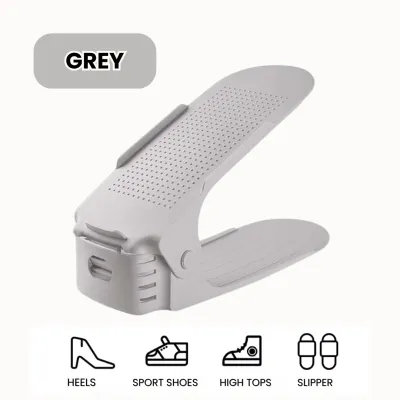
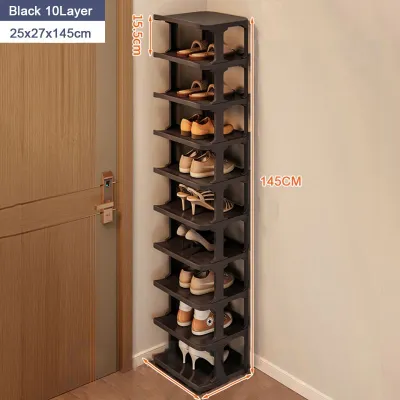
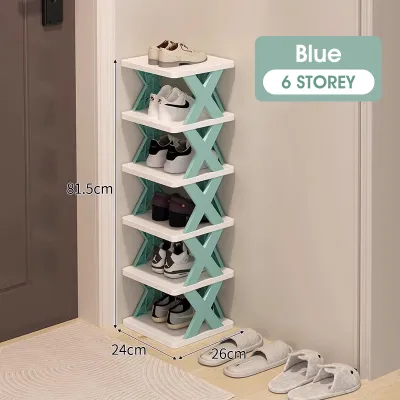
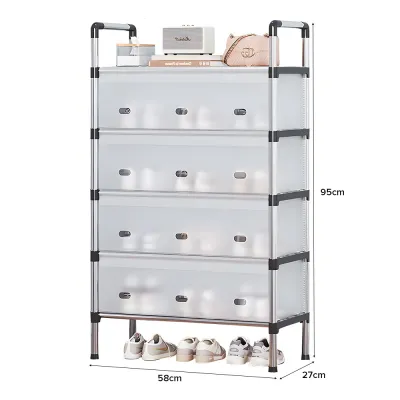
Prices are valid at publication and may change. Please refer to the product page for the latest price.
Additionally, pay close attention to the physical profiles of your shoes. Standard flat shoes, sandals, and sneakers fit easily onto typical shelves, but bulky items present a different challenge. High-top sneakers, ankle boots, heels, and work boots require significantly more vertical clearance. If your collection includes several of these taller items, look for shoe stands with adjustable shelves or dedicated tall compartments. Storing boots on their sides or forcing them into tight spaces can damage the material and ruin the shape of the footwear.
Match Capacity to Household Size and Habits
Translating your household size into a specific slot count requires looking at daily routines and lifestyle habits. A single professional living in a compact apartment might only need a compact stand holding 6 to 10 pairs of shoes. However, a family of four typically requires a much larger solution. For a standard household, allocating four to six slots per adult and two to three slots per child is a reliable starting point. This baseline ensures that everyday school shoes, work shoes, and casual sneakers all have a dedicated home near the door.

Your specific lifestyle habits will dictate whether you need to scale this baseline up or down. If you frequently host gatherings, you must account for guest footwear to keep your entryway clear and welcoming. Avid runners, gym-goers, or sneaker collectors will naturally require more storage space than those who work from home and rely on a few versatile pairs. For collectors, a modular or high-capacity display stand might be necessary to keep prized possessions organized and protected.
Another critical decision is whether to centralize your shoe storage or distribute it throughout your home. A single, massive shoe stand in a narrow entryway can feel overwhelming and restrict movement. Instead, consider placing a slim, low-capacity rack near the main entrance for daily-use shoes, while storing seasonal, formal, or less-frequently worn pairs in bedroom closets or utility areas. This distributed approach keeps your primary entryway tidy and functional without sacrificing overall storage capacity.
Measure Your Available Space and Clearance
A shoe stand with the perfect capacity is useless if it does not fit comfortably within your home’s layout. Begin by measuring the exact floor footprint of your designated placement area, noting the maximum width and depth available. In many apartments and homes, entryways are narrow corridors where every centimeter counts. A stand that protrudes too far into the walkway can create a tripping hazard and make carrying groceries or moving furniture difficult.
Vertical clearance is another crucial dimension to measure, especially if you are considering a tall cabinet or a wall-mounted unit. Check for light switches, electrical outlets, intercom panels, or decorative wall moldings that a tall shoe stand might block. If you are placing the stand beneath a window or a low shelf, ensure the height of the unit allows for comfortable access to the top surface, which often doubles as a convenient landing pad for keys and mail.
Beyond the physical dimensions of the unit itself, you must account for operational clearance. Ensure there is sufficient space for door swings, both for the main entrance door and any cabinet doors or drawers on the shoe stand. Walkway widths should remain wide enough for comfortable passage when cabinet doors are fully open. If you live in a rental property, verify tenancy agreements regarding drilling before purchasing wall-mounted units, as heavy floating shelves require secure anchoring into studs or masonry.
Evaluate Shoe Stand Designs for Space Efficiency
When space is at a premium, the design of your shoe stand plays a major role in how efficiently it utilizes its footprint. Tiered racks are a classic, cost-effective option that provides quick visibility and easy access to your daily footwear. Many modern tiered designs are stackable or expandable, allowing you to start with a small unit and add vertical layers or extend the width as your household shoe collection grows. This flexibility is ideal for growing families or temporary living situations.
For tight entryways, tilting bucket cabinets or slim-profile shoe cupboards offer excellent space efficiency. These designs store shoes vertically or at an angle, significantly reducing the depth of the cabinet. A standard shoe cabinet might require a depth of 35 centimeters, whereas a tilting design can fit into a space as shallow as 15 to 20 centimeters. While these slim units are excellent for flats and standard sneakers, they may not accommodate bulky boots or high heels as easily.
Regardless of the design you choose, structural stability and weight capacity are paramount. A fully loaded shoe stand can become surprisingly heavy, especially if it holds heavy work boots or leather shoes. Look for units with sturdy frames, robust joints, and reliable leveling feet to prevent wobbling on uneven floors. Tall, narrow stands should always be anchored to the wall to prevent accidental tip-overs, particularly in households with active children or pets.
Common Sizing and Capacity Mistakes to Avoid
One of the most common mistakes when choosing a shoe stand is overlooking the depth required for larger shoe sizes. Standard shoe racks are often designed around average shoe dimensions, which can lead to frustration if members of your household wear larger sizes. A shoe that is too long for a shelf will overhang, preventing cabinet doors from closing properly or causing shoes to fall off open racks. Always check the internal shelf depth specifications and compare them against your largest pair of shoes.
Another frequent error is failing to consider the visual impact of open versus closed storage. Open shoe racks are highly accessible and promote excellent ventilation, which helps prevent odors and moisture buildup. However, a fully loaded open rack can look visually cluttered, especially in a prominent entryway. If you prefer a clean, minimalist aesthetic, an enclosed cabinet is often the better choice, provided it features built-in ventilation slots or louvers to maintain airflow.
Finally, do not forget to account for the physical space required to interact with the shoe stand. You need enough room to stand comfortably in front of the unit, bend down, and pull out drawers or open doors without backing into walls or furniture. If your entryway is exceptionally tight, sliding doors or open-front cubbies can eliminate the need for front clearance, making them highly practical alternatives to traditional hinged doors.
Frequently Asked Questions (FAQ)
How many shoe slots do I need for a family of four?
A family of four typically requires a shoe stand with a capacity of 16 to 24 slots for daily and active footwear. This calculation allocates roughly four to six pairs per adult and two to three pairs per child. If your family participates in multiple sports or outdoor activities, you may need to adjust this number upward or utilize secondary storage in closets for seasonal shoes.
Can I mix different types of shoes on the same shelf?
Yes, you can mix different shoe types on the same shelf to maximize horizontal space. Pair flat shoes, such as sandals or loafers, next to bulkier items like sneakers or boots to make the most of the shelf’s width. If your shoe stand features adjustable shelves, customize the heights of individual tiers so that flat shoes occupy shorter compartments, leaving taller spaces free for boots and high-tops.

Community discussion
Share your experience or ask a question. Comments are reviewed before publication.