
Choosing the right shoe rack storage capacity for your household requires balancing your family’s actual footwear inventory with the physical limits of your entryway. To find the perfect fit, calculate a baseline of four to six pairs of frequently worn shoes per resident, add a 20% buffer for guests and future purchases, and match this total to a rack that fits within your foyer’s dimensions without blocking walkways.
How to Calculate Your Baseline Shoe Storage Needs
To determine your baseline shoe rack storage needs, start by conducting a physical audit of the footwear your household uses regularly. A practical formula is to categorize shoes by frequency of use: multiply the number of everyday pairs (such as work shoes, school shoes, and daily sneakers) by the number of residents, then add specialty footwear (like running shoes, formal heels, or sandals) that must remain near the entrance. For a household of four, if each person keeps three everyday pairs and two specialty pairs at the door, your baseline is 20 pairs.
Adjust this baseline for specific household dynamics. Growing children require frequent shoe size upgrades, and their bulkier sports shoes or school shoes can quickly overrun standard shelves. If you regularly host friends or extended family, allocate space for at least two to four pairs of guest slippers or visitor shoes.
Products mentioned in this guide
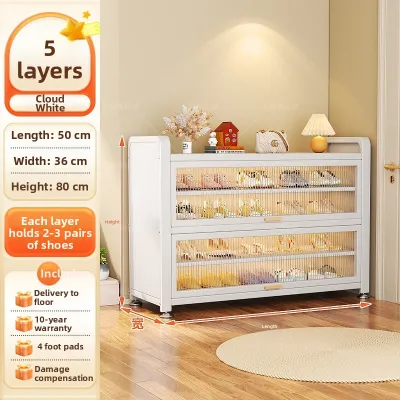
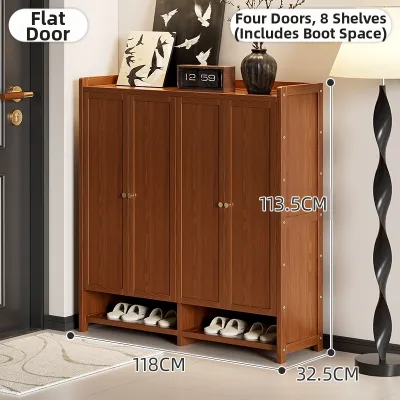
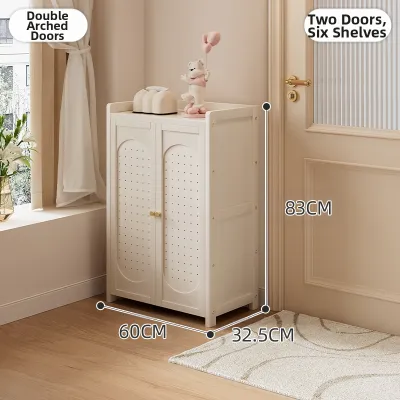
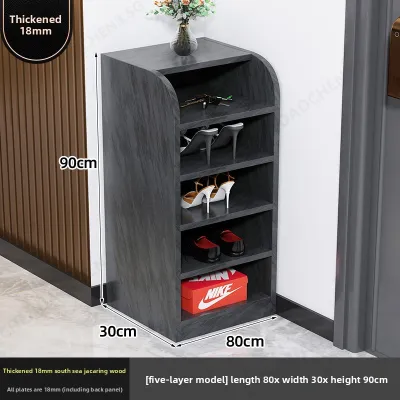
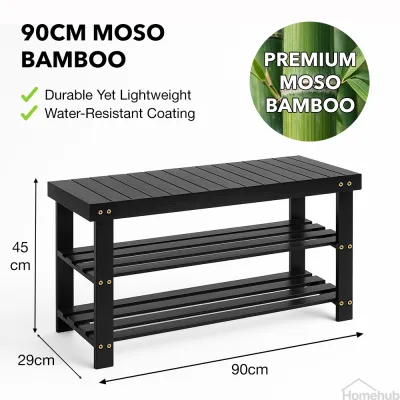
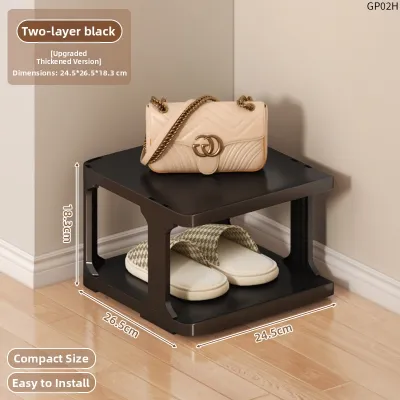
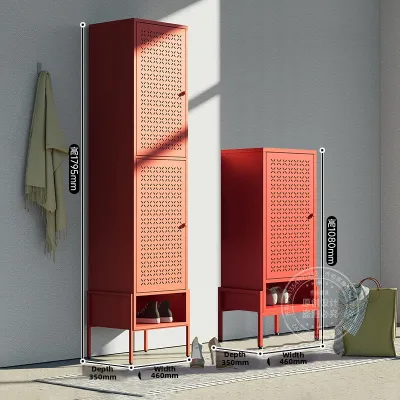
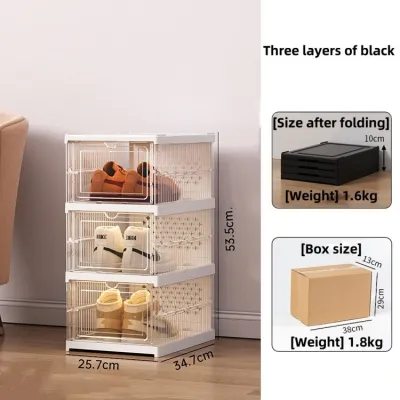
Prices are valid at publication and may change. Please refer to the product page for the latest price.
Finally, always build in a buffer. Purchasing a shoe rack that exactly matches your current inventory leads to immediate overcrowding when you buy a new pair. A 20% capacity buffer ensures your entryway remains tidy and allows the rack to accommodate new purchases without shoes spilling onto the floor.
Evaluating Your Entryway and Available Floor Space
Before purchasing any shoe rack storage, you must measure the physical footprint of your designated entryway zone. Use a measuring tape to record the maximum width, depth, and height available. In many Singapore apartments, such as HDB flats or compact condominiums, the entryway is a high-traffic corridor where every centimeter counts.

Pay close attention to functional clearances. Open the front door completely to check its swing radius; the shoe rack must not obstruct the door’s path or block access to household utility features like the distribution board (DB) box or household shelter door. Leave at least 90 to 100 centimeters of clear walkway space in front of the rack so family members can comfortably stand, bend down, or sit to put on their shoes.
Ventilation is another critical spatial factor. In Singapore’s warm, humid climate, placing a shoe cabinet flush against a wall can trap moisture and encourage mold growth. Plan for a ventilation gap of at least 2 to 5 centimeters between the back of the rack and the wall to promote airflow, and ensure the unit does not block existing floor vents or power outlets.
Translating Pair Counts into Shoe Rack Dimensions
Once you know your target pair capacity and available floor space, you can translate these numbers into actual product dimensions. On average, a standard pair of adult shoes requires a shelf width of 20 to 25 centimeters. Men’s formal shoes or wide sneakers may need up to 28 centimeters, while children’s shoes typically require 15 to 18 centimeters per pair. If you need to store 15 pairs of adult shoes, you will require approximately 300 to 375 centimeters of total shelf length.
Tier height is equally important for maximizing capacity. Standard flat shoes, sandals, and low-profile sneakers fit comfortably on shelves with a vertical clearance of 15 to 18 centimeters. High-top sneakers, heels, and ankle boots require a taller clearance of 20 to 25 centimeters. Look for shoe racks with adjustable shelves, which allow you to customize the height of individual tiers to match your specific footwear mix.
For tight entryways, vertical and modular configurations offer the best space efficiency. Tall, narrow vertical towers utilize vertical wall space rather than consuming valuable floor area. Alternatively, stackable or expandable shoe racks allow you to start with a low-profile unit and add tiers upward as your household storage needs grow over time.
Selecting the Right Shoe Rack Type for Your Capacity
The structural design of your shoe rack must support your target capacity safely and stably. High-capacity racks, especially tall vertical units, carry significant weight when fully loaded. Always check the manufacturer’s specified load capacity per shelf and ensure the unit’s center of gravity remains low by placing heavier shoes, such as boots and heavy sneakers, on the bottom tiers.
You must also choose between open shelving and enclosed cabinets. Open shoe racks provide excellent ventilation, allowing damp shoes to dry quickly in Singapore’s humid weather, but they leave footwear exposed to dust and visual clutter. Enclosed shoe cabinets offer a clean, minimalist aesthetic and protect shoes from dust, but they require built-in ventilation louvers or mesh backings to prevent unpleasant odors and moisture buildup.
Regardless of the style, safety is paramount. Any free-standing shoe rack taller than 100 centimeters should be anchored securely to the wall to prevent tip-over accidents, particularly in homes with young children or pets. Verify the wall material—such as concrete, drywall, or brick—to ensure you use the correct wall plugs and mounting hardware recommended by the manufacturer.
Common Shoe Rack Capacity Mistakes to Avoid
One of the most frequent mistakes is ignoring the depth of the shoe rack. Standard shoe racks often have a depth of 30 to 35 centimeters, which accommodates most shoe sizes. However, if household members wear larger shoe sizes (such as US size 11 or above), their shoes may overhang the shelves, preventing cabinet doors from closing or blocking narrow walkways.
Another common oversight is failing to account for the thickness of the rack’s frame, legs, and doors. A cabinet advertised with an external width of 80 centimeters may have an internal shelf width of only 74 centimeters once you subtract the side panels. Always verify the internal usable dimensions rather than relying solely on external measurements.
Lastly, do not assume all shelves can hold the same number of pairs. Corner supports, divider panels, and fixed shelf brackets can reduce usable space, forcing you to store fewer shoes than anticipated or leave awkward gaps between pairs.
Frequently Asked Questions (FAQ)
How many pairs of shoes should I plan for per person?
Plan for 4 to 6 pairs of frequently worn shoes per person for entryway storage. This typically includes daily work or school shoes, exercise sneakers, and casual sandals. Less active or seasonal footwear should be stored in bedroom closets to keep the entryway clear.
Can I use a wall-mounted shoe rack to save floor space?
Yes, wall-mounted racks are excellent for saving floor space, but you must verify your wall type first. Solid concrete walls provide the best support, whereas drywall requires locating studs. Always follow the manufacturer’s weight limits and use appropriate heavy-duty wall anchors.
What is the best way to store tall boots on a standard rack?
To store tall boots without creasing them, adjust or remove a shelf tier to create a taller opening, or dedicate the bottom tier of the rack for boot storage. Using boot shapers or inserts helps them stand upright and preserves their shape.

Community discussion
Share your experience or ask a question. Comments are reviewed before publication.