
Selecting the ideal shoe case for your home is more than just finding a piece of furniture that fits a vacant corner. It requires a realistic assessment of your household size, daily routines, and the physical constraints of your living space. In a busy household, an undersized shoe case quickly leads to an overflow of footwear spilling across the entryway, creating a tripping hazard and a cluttered first impression. Conversely, an excessively large cabinet can overwhelm a narrow hallway or restrict movement near the front door.
To find the right capacity, you must balance your current storage needs with future lifestyle changes. Whether you live in a compact apartment or a spacious multi-generational home, understanding how to calculate capacity, evaluate cabinet designs, and measure your space will guide you to a storage solution that keeps your entryway pristine and your footwear organized.
Assess Your Current and Future Shoe Collection
Before browsing online marketplaces or visiting furniture showrooms, you need an accurate inventory of your household’s footwear. Gather every pair of shoes currently scattered throughout your home, including those in bedroom closets, under beds, or by the front door. Group them by user and frequency of use to understand the actual volume of storage required for daily access.
Products mentioned in this guide
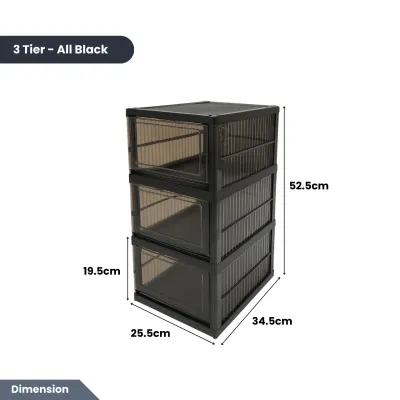
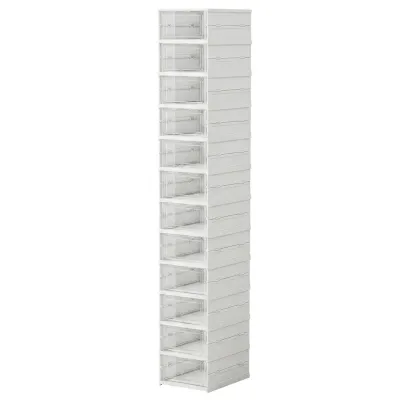
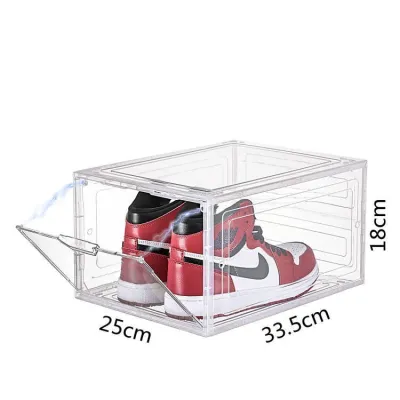
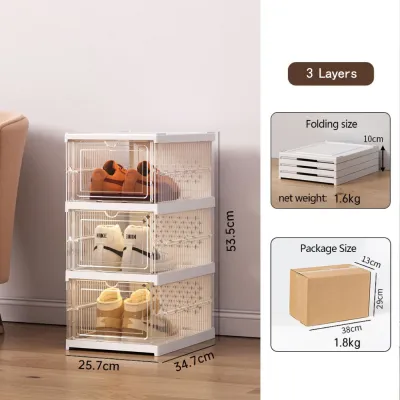
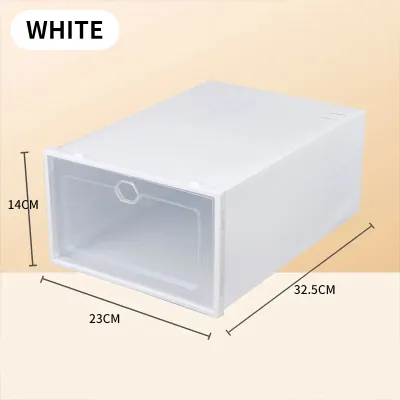
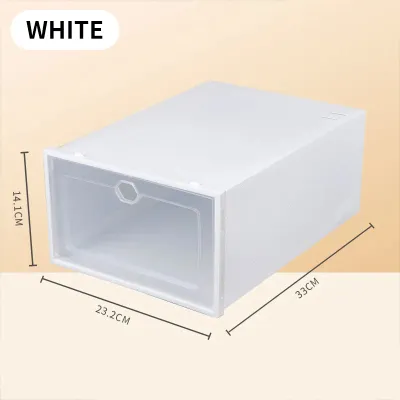
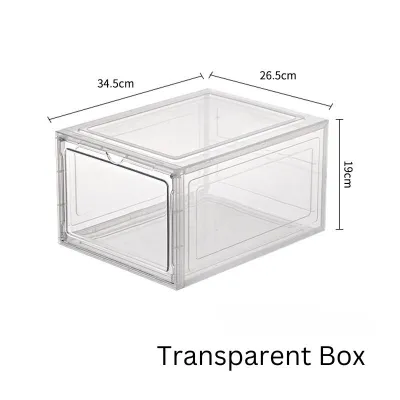
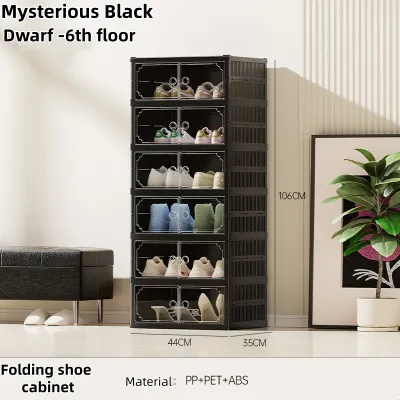
Prices are valid at publication and may change. Please refer to the product page for the latest price.
Categorize your collection into everyday wear, seasonal items, and specialty footwear. Everyday shoes, such as work heels, school shoes, and daily sneakers, must remain highly accessible in your primary shoe case. Specialty items like hiking boots or formal dress shoes might only be needed occasionally, meaning they can be allocated to secondary storage areas if your entryway space is limited.
Anticipate how your collection might grow or change over the next few years. Families with young children must account for rapid growth, as kids quickly transition to larger shoe sizes that occupy more physical space. Similarly, taking up a new sport or fitness hobby often introduces bulky footwear, such as football boots or cycling shoes, which require dedicated storage.
Finally, establish a clear boundary between your primary entryway storage and long-term closet storage. Deciding to store off-season sandals, heavy winter boots, or rarely worn formal shoes in bedroom wardrobes frees up valuable real estate in your main shoe case. This division allows you to select a more streamlined, space-efficient cabinet for your high-traffic entryway.
Match Capacity to Household Size and Lifestyle
Household size is the most direct indicator of your storage needs, but lifestyle and daily habits ultimately dictate the required capacity. A single professional might manage comfortably with a compact case holding six to ten pairs of shoes. However, a family of four with active lifestyles can easily accumulate thirty or forty pairs of footwear, requiring a much more robust storage strategy.

Consider the daily commutes and dress codes of each household member. A corporate professional may require separate pairs of formal shoes, casual shoes, and athletic trainers, while a student might rely on school shoes and weekend sneakers. In tropical climates like Singapore, frequent rain also means having sandals, slides, and wet-weather footwear readily available, further increasing the baseline number of pairs per person.
Multi-generational households or homes that frequently host guests require additional planning. If you regularly welcome friends and family, leaving a few empty shelves or choosing a shoe case with an open bottom compartment allows guests to store their footwear neatly upon arrival. This prevents the doorway from becoming congested and maintains a welcoming atmosphere.
When selecting a shoe case, prioritize models with adjustable or removable shelving rather than fixed compartments. Footwear heights vary significantly between flat sandals, high heels, and high-top sneakers. Adjustable shelves allow you to customize the internal layout as your family’s needs evolve, ensuring that no vertical space is wasted and that every pair fits comfortably without being bent or compressed.
Measure Your Space and Check Clearance Requirements
A shoe case with the perfect capacity is only useful if it fits harmoniously within your home’s layout. Begin by measuring the exact floor footprint of your designated placement area, noting the maximum width, depth, and height available. Use painter’s tape to outline the dimensions on the floor to visualize how much physical space the cabinet will occupy.
Beyond the static footprint, you must account for operational clearances. If you choose a shoe case with swing-out doors or pull-out drawers, measure the clearance required to open them fully without striking nearby walls, main doors, or other furniture. For enclosed cabinets, ensure there is a small gap behind or beside the unit to allow for adequate ventilation, which helps prevent moisture buildup and unpleasant odors.
Do not overlook the path the furniture must take to reach its final destination. Verify the dimensions of your main entrance, hallway turns, stairwells, and elevator doors to ensure the delivered unit can pass through safely. This is particularly crucial for fully assembled cabinets or large, heavy flat-packs that require maneuvering through tight apartment corridors.
If your entryway is exceptionally narrow, consider slim-profile cabinets or wall-mounted units that utilize vertical space without encroaching on the walkway. Ensuring a clear path of at least 90 to 100 centimeters in your hallway allows household members to move freely, even when carrying groceries or moving larger household items.
Evaluate Shoe Case Designs and Storage Efficiency
Different shoe case designs offer varying levels of storage efficiency, and the right choice depends on your aesthetic preferences and space constraints. Open shoe racks are highly accessible and provide excellent ventilation, making them ideal for daily-use footwear. However, they leave your shoes visible, which can look cluttered if the rack is overfilled.
Tilt-out shoe cabinets are exceptionally space-efficient for narrow hallways because they store shoes vertically rather than horizontally. These units feature shallow depths, often measuring under 25 centimeters, making them perfect for tight entryways. The trade-off is that they may not accommodate bulky footwear, high-top sneakers, or large men’s sizes as easily as standard flat-shelf cabinets.
Standard enclosed cabinets with doors offer a clean, tidy appearance by keeping footwear out of sight. When evaluating these units, check the internal shelf depth. Standard men’s shoes typically require an internal depth of at least 33 to 35 centimeters to sit flat without pressing against the door. If the cabinet is too shallow, you may have to store larger shoes at an angle, which significantly reduces the overall capacity.
Structural stability is a critical safety consideration, especially for tall, narrow, or fully loaded shoe cases. As a cabinet is filled to capacity, its center of gravity shifts forward, increasing the risk of tipping when doors or drawers are opened. Always check the manufacturer’s guidelines regarding load capacity and verify if the unit includes hardware for anchoring it securely to the wall.
Common Sizing Mistakes to Avoid
One of the most frequent errors when purchasing a shoe case is selecting a unit based solely on its external dimensions without verifying the internal usable space. A cabinet might look large from the outside, but thick frame walls, bulky drawer mechanisms, or fixed shelf dividers can dramatically reduce the actual number of pairs it can hold.
Another common mistake is ignoring the height requirements of your footwear collection. Buying a cabinet with uniform, non-adjustable shelves often leaves you with wasted vertical space above low-profile flats, while taller ankle boots or high heels are forced to bend or lie on their sides. This not only damages the shape of your shoes but also reduces storage efficiency.
Finally, many homeowners neglect safety precautions when installing tall or slim shoe cases. Failing to use anti-tip kits or wall anchors can lead to serious accidents, particularly in homes with active pets or young children who might attempt to climb the shelves. Ensuring the unit is securely anchored provides peace of mind and structural integrity, allowing you to utilize the full height of the cabinet safely.
Frequently Asked Questions (FAQ)
Do I need a separate shoe case for seasonal storage?
Whether you need a separate shoe case depends on your household’s total footwear volume and the size of your entryway. If your main entryway cabinet is crowded, storing off-season footwear, such as heavy boots or specialized holiday shoes, in secondary storage boxes under the bed or in bedroom closets is a practical way to free up space. This keeps your primary shoe case organized and dedicated solely to the items you wear regularly, making your daily routine much smoother.
How do I store tall boots in a standard shoe case?
Storing tall boots in a standard shoe case requires a flexible internal layout. Look for cabinets with removable or adjustable shelves, allowing you to create a taller compartment specifically for boots. If your shelves are fixed, you can store boots flat on their sides, or use boot shapers and tension inserts to keep them upright and prevent creasing. Alternatively, consider keeping your tallest boots in their original boxes on the top shelf or in a closet to preserve their shape and save space in the main cabinet.

Community discussion
Share your experience or ask a question. Comments are reviewed before publication.