
Finding the right storage solutions for a Housing & Development Board (HDB) flat requires balancing space optimization with daily comfort. Because Singapore apartments feature distinct layouts and structural elements, choosing a shelving rack is not just about finding a unit that holds your items. It is about ensuring the furniture integrates seamlessly into your living space without restricting movement or blocking essential utilities.
Selecting the wrong dimensions can quickly turn a helpful storage upgrade into a frustrating physical obstacle. To make an informed decision, you must evaluate your home’s physical boundaries, understand how different rooms dictate rack sizes, and verify structural safety. By taking a systematic approach to measuring and planning, you can maximize your vertical storage while keeping your home open, safe, and highly functional.
Measure Your Available Space Before Buying
Before browsing online marketplaces or visiting furniture showrooms, you must establish the exact physical boundaries of your intended installation site. Begin by measuring the floor footprint, which includes both the maximum width and the maximum depth the shelving rack can occupy. Use a metal measuring tape for accuracy, and measure along the floor where the base of the unit will actually sit.
Products mentioned in this guide
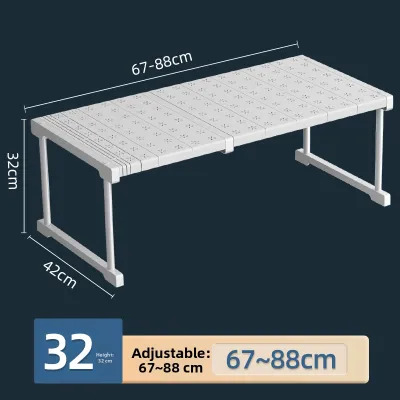
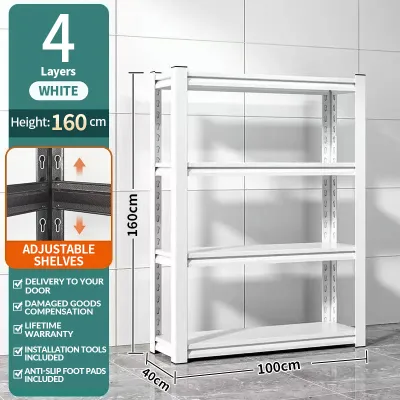
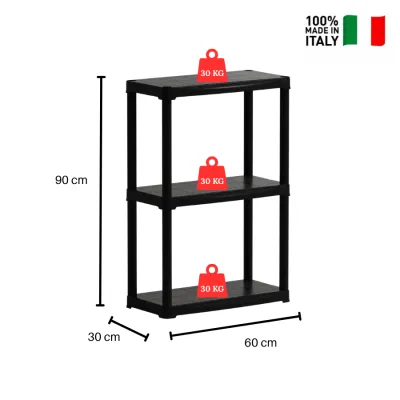
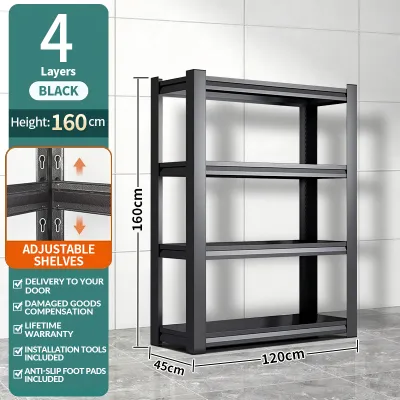
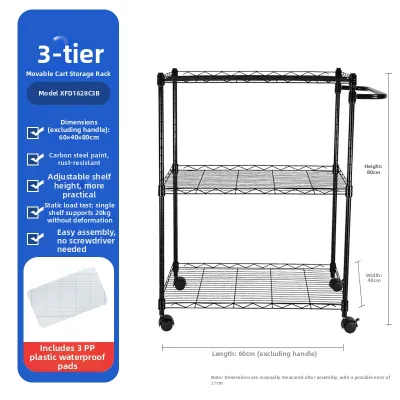
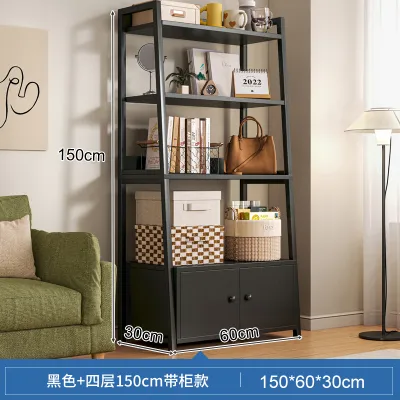
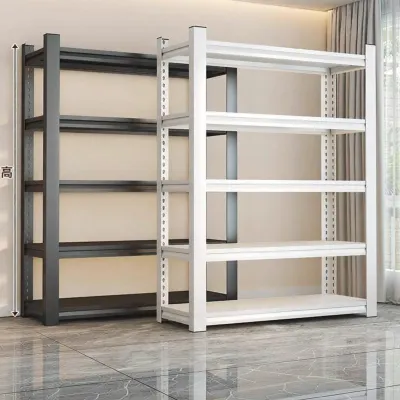
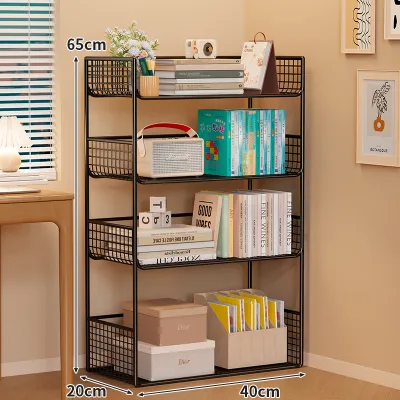
Prices are valid at publication and may change. Please refer to the product page for the latest price.
Next, measure the vertical clearance from the floor to the ceiling. Do not assume your ceiling height is uniform throughout the flat, as structural beams, false ceilings, or decorative cornices can significantly reduce the available height in specific spots. Take note of any overhead obstacles, such as ceiling fans, light fixtures, or wall-mounted air-conditioning units, that could interfere with a tall rack.
Architectural features often prevent furniture from sitting completely flush against a wall. Inspect the base of your walls for skirting boards, which can push the bottom of a rack forward by a few centimeters. Look for wall-mounted obstructions like electrical power outlets, light switches, internet ports, and surface-mounted air-conditioning trunking. If a shelving rack covers these features, it can restrict access to power or force the unit to stand awkwardly away from the wall, reducing stability.
Finally, you must plan for the physical delivery and assembly of the shelving rack. Measure the width of your HDB main door, the clearance in your immediate corridor, and the dimensions of the lift entrance and interior. Flat-pack furniture requires sufficient clearance to be carried into your home, and fully assembled units must be able to navigate tight corners and doorways without damaging your walls or the product itself.
Match Shelving Rack Dimensions to Room Layouts
Different rooms within an HDB flat serve distinct purposes, meaning a shelving rack size that works well in one area might be highly impractical in another. In living and dining areas, maintaining an open, airy atmosphere is usually a priority. For these shared spaces, consider low-profile or mid-height racks that keep sightlines clear across the room. Tall, bulky units can dominate a living room visually, making the entire flat feel smaller and more cramped than it actually is.

When planning storage for bedrooms and study rooms, you must balance storage depth with the clearance needed for daily activities. Measure the space required to fully open wardrobe doors, pull out desk chairs, or walk comfortably around the bed frame. A rack that is too deep can easily block these pathways, creating daily inconveniences. For study rooms, shallower shelves are often sufficient for books and files, leaving more floor space for comfortable seating and movement.
Utility areas, service yards, and household shelters (often used as storerooms) present the tightest spatial constraints. These spaces require highly precise measurements because of their rigid concrete walls and heavy doors. Before choosing a deep or tall utility rack, check the swing arc of the household shelter door to ensure it can open fully in an emergency. Additionally, avoid blocking ventilation grilles or air vents, which are critical for maintaining air quality and preventing moisture buildup in enclosed utility spaces.
Check Weight Capacity and Structural Stability
A shelving rack must be physically capable of supporting your belongings safely over the long term. Always review the manufacturer’s specified weight capacity, paying close attention to both the weight limit per individual shelf and the total weight limit for the entire unit. Match these specifications to the items you plan to store; heavy books, kitchen appliances, and packed storage boxes require much higher load capacities than decorative items or light clothing.
The physical design of the rack directly influences its stability. Units with a wider and deeper base footprint generally offer a lower center of gravity, making them inherently more stable when holding heavy or unevenly distributed loads. When organizing your shelves, always place the heaviest items on the bottom shelves to keep the center of gravity as low as possible, reducing the risk of accidental tipping.
Tall or narrow shelving units pose a higher risk of tipping over, especially when loaded with heavy items near the top. To ensure safety, plan to secure these units to the wall using appropriate anti-tip brackets or wall anchors. Keep in mind that different wall types require specific hardware; concrete walls in HDB flats require masonry plugs and screws, while drywall partitions require specialized hollow-wall anchors. Always verify the wall material and use the correct drilling tools to achieve a secure hold.
Avoid Common Sizing and Placement Mistakes
One of the most critical mistakes when placing a shelving rack is blocking access to essential home utilities. HDB flats contain several key access points, including electrical distribution boards (DB boxes), water meters, shut-off valves, and window grilles. These areas must remain completely unobstructed at all times so that you can access them quickly during maintenance work or household emergencies.
Another common error is creating tight bottlenecks in high-traffic areas. Narrow corridors, kitchen entryways, and walkways near the main entrance must retain enough clearance for two people to pass each other comfortably. Placing a wide or deep shelving rack in these zones can restrict movement, make carrying groceries or laundry difficult, and present a tripping hazard in low-light conditions.
Lastly, do not overlook the physical space required to assemble the shelving rack. Many flat-pack or boltless racks must be laid flat on the floor during the initial stages of construction before being raised upright. If your room is already filled with other furniture, you may not have enough open floor space to assemble the unit safely. Plan where you will build the rack, and ensure you have a clear path to slide or carry the completed unit into its final position.
Frequently Asked Questions (FAQ)
Can I use a floor-to-ceiling shelving rack in an HDB flat?
Yes, but you must perform several critical safety and spatial checks first. Measure your exact ceiling height at the precise spot where the rack will stand, as false ceilings or decorative plaster cornices can lower the usable height. It is vital to secure any floor-to-ceiling unit to the wall to prevent tipping. However, note that drilling into the reinforced concrete walls of an HDB household shelter (bomb shelter) is strictly regulated, so you should avoid mounting heavy racks to these specific walls. Instead, opt for freestanding, highly stable boltless racks or place tall units against standard internal walls where drilling is permitted.
How much clearance should I leave around a shelving rack?
As a general guideline, leave at least two to three centimeters of clearance on either side and behind the shelving rack. This small gap prevents the unit from scraping against your walls during assembly or daily use, and it allows for easier cleaning and dust removal without needing to empty and move the entire rack. If you are using the shelving rack to store electronics, kitchen appliances, or other heat-generating devices, increase this clearance to at least five to ten centimeters to ensure adequate airflow and prevent heat buildup.

Community discussion
Share your experience or ask a question. Comments are reviewed before publication.