
Selecting the perfect Scanteak bookcase for a Singaporean living room involves balancing the warm, natural aesthetic of solid teak wood with the practical realities of modern HDB and condominium floor plans. Because teak furniture is a long-term investment, choosing the correct dimensions is critical to ensure the piece integrates seamlessly into your daily life. The ideal bookcase should accommodate your entire reading collection or display items while preserving comfortable walkways and maintaining the visual balance of your shared living space. By systematically evaluating your room’s physical boundaries, your specific storage volume, and the unique architectural quirks of local housing, you can confidently select a configuration that feels custom-built for your home.
Measure Your Living Room Space and Layout Constraints
Before browsing specific furniture collections, you must establish the absolute physical limits of your designated wall space. Begin by measuring the total width of the wall where the bookcase will stand, keeping in mind that you should leave at least 10 to 15 centimeters of breathing room on either side to prevent the area from looking cramped. Next, measure the vertical distance from the floor to your ceiling, noting any false ceilings, decorative cornices, or recessed lighting fixtures that might restrict the maximum height of a tall unit. Depth is equally critical; you must ensure that the front of the bookcase does not protrude into high-traffic pathways, leaving at least 90 centimeters of clear walkway space in front of the shelves for comfortable movement.
Physical obstructions unique to Singaporean homes often dictate where a bookcase can safely sit. Carefully inspect the target wall for electrical outlets, light switches, data ports, and air-conditioner trunking, as placing a heavy solid wood unit directly in front of these features will block access and prevent the furniture from sitting flush. Skirting boards along the base of the wall also add to the overall depth requirement, so you must factor this small gap into your final placement calculations. If your layout requires placing the bookcase near a doorway or window, verify that the unit’s depth will not obstruct the swing radius of doors or block natural light.
Products mentioned in this guide
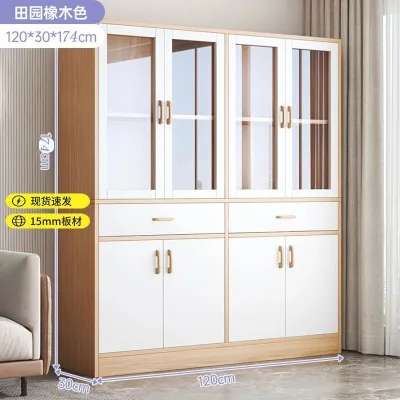
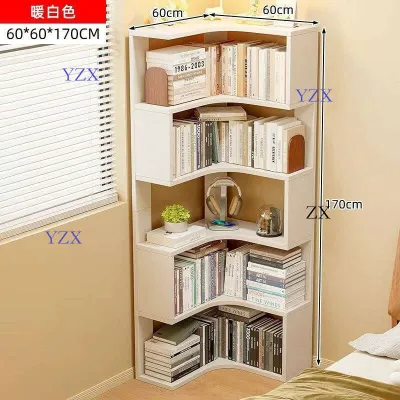
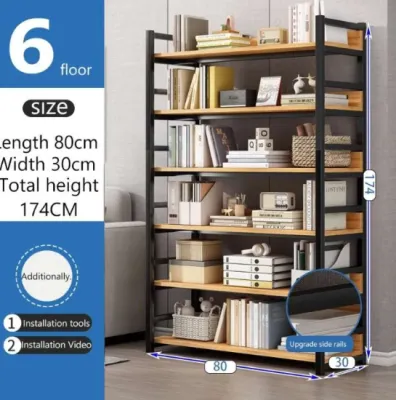

Prices are valid at publication and may change. Please refer to the product page for the latest price.
Finally, you must plan the logistics of getting the bookcase into your living room. Measure the height and width of your main entrance door, any common corridor turns, the lift door opening, and the interior dimensions of the passenger lift in your estate. Because solid teak bookcases are heavy and often delivered fully or partially assembled, verifying these clearance paths beforehand prevents delivery-day complications. If your building requires navigating tight stairwells or narrow lobby corners, share these dimensions with the delivery team to confirm that the chosen model can be safely transported to your unit.
Match Scanteak Bookcase Dimensions to Your Storage Needs
The dimensions of your bookcase should directly reflect the items you intend to store or display. If your collection consists primarily of standard paperbacks and novels, a shelf depth of 20 to 25 centimeters is generally sufficient and keeps the unit’s footprint minimal. However, if you plan to store oversized art books, heavy binders, or large decorative ceramic pieces, you will need a deeper unit of 30 centimeters or more. Always check the manufacturer’s specified load capacity per shelf to ensure the solid wood structure can support heavy volumes without bowing over time, especially if you plan to fill entire rows with dense academic texts.

Flexibility is another key consideration when evaluating shelf configurations. Fixed-shelf models offer excellent structural rigidity and a clean, uniform look, but they limit your ability to store items of varying heights. If your storage needs are likely to evolve, look for designs featuring adjustable shelving pegs, which allow you to customize the vertical clearance for taller vases, framed photos, or storage baskets. Combining open shelving with lower closed cabinets or drawers can also help hide clutter while keeping your favorite reading materials easily accessible at eye level.
The physical dimensions of the bookcase also influence the visual weight of your living room. In a spacious, open-concept condominium, a wide, low-profile bookcase can ground the room and provide a useful surface for displaying art without dominating the wall. Conversely, in a compact HDB living room, a tall, narrow bookcase utilizes vertical space efficiently, drawing the eye upward and making the room feel loftier. Balancing these proportions ensures that the furniture complements your existing sofa, television console, and coffee table rather than overwhelming them.
Evaluate HDB and Condo Specific Layout Considerations
Singaporean residential layouts present unique spatial opportunities and challenges that require strategic furniture selection. In standard HDB flats, where ceiling heights typically range from 2.6 to 2.8 meters, you can maximize vertical storage by choosing a tall bookcase that stops just short of the ceiling. This approach keeps the floor area clear for other essential furniture while providing ample storage. To prevent a tall, dark wood unit from making a small room feel enclosed, opt for designs with slender frames or tapered legs that elevate the base off the floor, creating an illusion of spaciousness.
For compact condominium units or apartments with limited natural light, open-back bookcases are highly effective. These designs allow the wall color to show through the shelves, maintaining a sense of depth and allowing light from windows to filter through the unit. This open structure also promotes better cross-ventilation, which is essential for maintaining a comfortable indoor climate in tropical environments. Placing a solid, closed-back bookcase in a narrow hallway or near a window can block airflow and cast shadows, making the living area feel smaller than its actual square footage.
If you live in an open-concept apartment, a freestanding bookcase can serve as an elegant room divider to separate the dining area from the living lounge. When using a bookcase for this purpose, ensure the model is finished beautifully on all sides, including the back, as many standard units feature unfinished plywood backing designed to face a wall. Stability is paramount for room dividers; choose a unit with a wide, stable base, and avoid loading heavy items on the upper shelves to keep the center of gravity low.
Avoid Common Sizing and Placement Mistakes
One of the most frequent errors when installing a new bookcase is failing to account for the thickness of the wall’s skirting boards. Because skirting boards typically project 1 to 2 centimeters from the plaster, a standard flat-backed bookcase cannot sit completely flush against the wall unless it features a specific base cutout. This gap not only creates an unstable stance but also allows small items and dust to fall behind the unit, making cleaning difficult. Measure the height and depth of your skirting boards to determine if you need a model with a recessed base or if you must factor this gap into your overall depth calculations.
Another common mistake is overcrowding the living room by ignoring the necessary clearance zones around the furniture. A bookcase should never be placed so close to a sofa or armchair that it restricts comfortable seating or prevents cabinet doors from opening fully. Ensure there is a minimum clearance of 60 centimeters between the bookcase and adjacent furniture pieces to allow for easy browsing and cleaning. If your chosen model includes lower drawers or pull-out compartments, double-check that you have enough floor space to open them completely without hitting rugs or coffee tables.
Lastly, many homeowners forget to verify the assembly clearance required for tall units. If a bookcase is delivered flat-packed and must be assembled horizontally on the floor, it requires a diagonal clearance greater than its final upright height to be tilted into position. Failing to calculate this diagonal arc can leave you with a partially assembled unit that cannot be stood upright due to low ceiling clearance. Always review the manufacturer’s assembly instructions or consult their customer service team to confirm the minimum ceiling height required for safe installation.
Frequently Asked Questions (FAQ)
Do I need to anchor a tall bookcase to the wall?
Yes, securing any tall or narrow bookcase to the wall is highly recommended to prevent accidental tipping. This safety measure is especially critical in households with young children or pets who might attempt to climb the shelves, or if you live in an area prone to minor structural vibrations. Heavily loaded shelves can also become top-heavy, increasing the risk of instability. Always check the manufacturer’s installation guidelines and use the recommended anchoring hardware suitable for your specific wall type, whether it is concrete, brick, or drywall. If you are unsure about drilling or avoiding hidden utility lines, consult a qualified local handyman to complete the installation safely.
Can I place a teak bookcase near an air-conditioner or in direct sunlight?
It is best to avoid placing solid wood furniture directly under air-conditioning vents or in the path of intense, direct sunlight. Continuous exposure to the cold, dry airflow from an air-con unit can cause the wood to dry out unevenly, potentially leading to minor warping or joint separation over time. Similarly, harsh tropical sunlight streaming through windows can fade the natural warm tones of teak wood and degrade protective finishes. To preserve the appearance of your furniture, position the bookcase away from direct drafts, use curtains or UV-filtering window films, and follow the manufacturer’s specific care instructions regarding wood conditioning and cleaning.

Community discussion
Share your experience or ask a question. Comments are reviewed before publication.