
Selecting the right rubber stopper for your furniture is a practical way to protect your floors, reduce noise, and keep items stable. The core decision relies on matching the stopper’s shape, size, and thickness to the specific weight and contact surface of each furniture piece. A mismatch can lead to uneven weight distribution, damaged flooring, or cabinet doors that refuse to close properly. By evaluating the physical demands of your chairs, tables, and cabinets, you can choose accessories that integrate seamlessly into your home.
Match Stopper Shapes to Your Furniture Contact Points
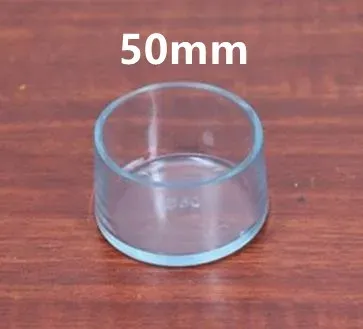
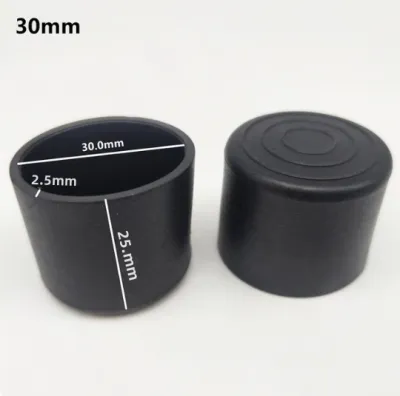
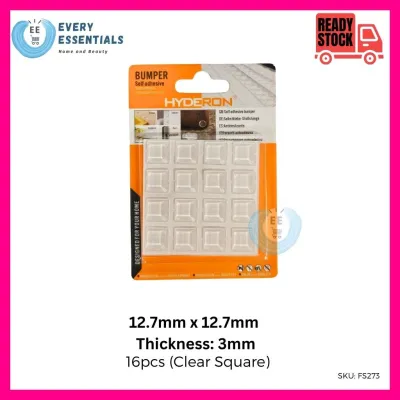
The contact point where your furniture meets the floor or another surface dictates the shape of the rubber stopper you need. For standard vertical legs, such as those on dining chairs and study tables, cylindrical or square flat-bottomed pads are highly effective. These shapes distribute the downward force evenly across the entire contact area, preventing concentrated pressure points that can dent vinyl, laminate, or hardwood floors. When choosing these, ensure the shape matches the profile of the leg to maintain a clean, unobtrusive look.
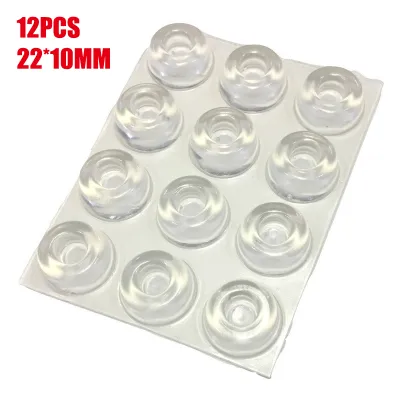
For smaller, lighter applications like cabinet doors, wardrobe drawers, and chest lids, hemispherical or small dome-shaped bumper dots are the standard choice. These small, rounded stoppers absorb the impact of closing doors without requiring a large surface area. Their curved profile ensures that even if a door closes at a slight angle, the point of contact remains cushioned, dampening the sound and preventing wood-on-wood wear.
Products mentioned in this guide
Prices are valid at publication and may change. Please refer to the product page for the latest price.
Not all furniture legs meet the floor at a straight vertical angle. Angled legs, often found on mid-century modern chairs or decorative side tables, require tapered or wedge-shaped stoppers. These specialized designs compensate for the tilt, ensuring the bottom of the stopper remains completely flat against the floor. Using a standard flat pad on an angled leg causes the edge to dig into the floor, leading to rapid wear of the rubber and potential scratches on your flooring.
Determine the Right Size and Thickness for Weight and Impact
Achieving a secure fit requires precise measurement of both the furniture footprint and the stopper itself. The diameter or width of the rubber stopper must match the bottom of the furniture leg as closely as possible. If the stopper is too small, the weight of the furniture will concentrate on a narrow area, reducing stability and causing the rubber to degrade prematurely. Conversely, an overhanging stopper catches dust, snags on carpets, and can easily peel off when the furniture is moved.

Thickness is equally critical and must be balanced against the weight of the item and its intended function. Heavy dining tables, solid wood desks, and large storage units require thicker, heavy-duty rubber pads. These thicker profiles provide the necessary compression depth to absorb heavy shocks and prevent the hard wood or metal of the leg from pressing through the rubber over time. For lightweight cabinet doors, thin bumper dots are preferable. A thick stopper on a cabinet door will prevent the door from closing flush with the frame, leaving unsightly gaps and straining the hinges.
Before purchasing, always verify the manufacturer’s load-bearing recommendations or specifications printed on the packaging. While rubber is naturally resilient, different formulations have varying density and compression limits. For heavy-duty applications, look for reinforced rubber stoppers that explicitly state suitability for high-weight furniture, ensuring they will not flatten completely under a heavy load.
Prepare Surfaces and Install Stoppers for Maximum Adhesion
The longevity of any self-adhesive rubber stopper depends heavily on how well the surface is prepared before installation. Dust, wood fibers, manufacturing oils, and old adhesive residue create a barrier that prevents the new adhesive from bonding securely. Begin by wiping the contact point with a clean cloth dampened with a mild cleaner or a diluted isopropyl alcohol solution, depending on what is safe for your furniture’s finish. Avoid oily polishes or harsh chemical solvents that can leave a film or damage the wood stain.
Allow the cleaned surface to dry completely before attempting to apply the stopper. Trapping moisture beneath a self-adhesive pad will weaken the glue and can cause mold or wood rot in humid environments. Once dry, peel the backing from the stopper, taking care not to touch the adhesive surface with your fingers, as skin oils can degrade the bond.
Align the stopper carefully with the furniture leg or cabinet frame before making contact. Press the stopper firmly onto the surface, applying even, direct pressure for at least thirty seconds. Avoid sliding or stretching the rubber during application, as this introduces internal tension that will eventually cause the edges to lift and peel away.
Monitor Wear and Replace Stoppers Before They Fail
Rubber stoppers are sacrificial wear items that degrade over time due to friction, weight, and environmental exposure. Regular visual inspections are necessary to identify when they are nearing the end of their useful life. Check the stoppers periodically for signs of flattening, cracking, or hardening. In high-traffic areas, such as under dining chairs, the rubber may compress to a fraction of its original thickness, losing its cushioning properties and allowing the furniture leg to scrape the floor.
Physical movement is another clear indicator of failure. If you notice a stopper slipping sideways, leaving a sticky adhesive trail on the floor, or if you hear new scraping noises when moving a chair, the adhesive or the rubber structure has failed. Prompt replacement is essential to prevent permanent damage to your flooring or cabinet finishes.
When replacing old stoppers, safe removal is key to preserving the underlying finish. Gently peel the old stopper away from the wood or laminate. If adhesive residue remains, use a soft cloth dampened with mild soapy water or a manufacturer-approved adhesive remover safe for finished wood. Avoid using metal scrapers, utility knives, or abrasive pads, as these can easily gouge the wood or strip away the protective lacquer.
Evaluate Multi-Use Options and Environmental Limits
While it may be tempting to buy a single large pack of multi-purpose rubber stoppers for the entire home, specialized variants are generally necessary for different tasks. Multi-purpose pads are often designed for medium-weight, indoor applications and may fail quickly if subjected to the extreme weight of a dining table or the constant impact of a heavily used cabinet. Assess each piece of furniture individually to determine if it requires a specialized heavy-duty pad or a delicate cabinet bumper.
Environmental factors also play a significant role in how rubber performs. In humid climates or areas prone to moisture, such as kitchens, bathrooms, or near open windows, standard rubber adhesives can break down rapidly. UV exposure from direct sunlight can also cause certain rubber compounds to dry out, crack, and crumble. Check product labels for moisture-resistant or UV-stable specifications if you plan to use the stoppers in these challenging environments.
Finally, always consult the guidelines provided by your furniture manufacturer, especially for high-end antiques, specialized finishes, or items with unusual weight distributions. Some delicate finishes, such as hand-applied oil or wax, can react chemically with certain rubber adhesives, leading to discoloration. In these cases, nail-on or slip-on rubber caps may be a safer alternative to self-adhesive options.
Frequently Asked Questions (FAQ)
Can I use the same rubber stopper for both heavy dining tables and light cabinet doors?
Using the same stopper for both applications is not recommended due to the vast difference in weight and function. A thick, heavy-duty rubber pad designed for a dining table will prevent a cabinet door from closing flush, leaving a gap and putting unnecessary stress on the hinges. Conversely, a thin, soft cabinet bumper dot will quickly crush under the weight of a heavy table, offering no protection for your floors and potentially sliding out of place under lateral movement.
How do I remove old rubber stoppers without damaging the wood finish?
To remove old stoppers safely, start by gently peeling them off by hand. If the adhesive is stubborn, warm it slightly with a hairdryer on a low heat setting to soften the glue, taking care not to overheat and blister the wood finish. Wipe away any remaining sticky residue with a soft microfiber cloth dipped in mild soapy water or a specialized adhesive remover that is explicitly labeled as safe for finished wood surfaces. Never use sharp metal tools or abrasive scrubbers.

Community discussion
Share your experience or ask a question. Comments are reviewed before publication.