
Selecting the right rubber feet for your furniture involves matching the attachment style, profile shape, and material hardness to both the weight of your furniture and the specific flooring in your home. In tropical climates where homes commonly feature a mix of polished porcelain tiles, luxury vinyl planks, and delicate parquet, choosing the wrong protector can lead to unsightly scuffs, permanent indentations, or degraded adhesives. By systematically evaluating how your furniture moves and how much weight it carries, you can find a durable solution that keeps your floors pristine and your furniture stable.
Identify the Right Rubber Foot Design and Attachment Method
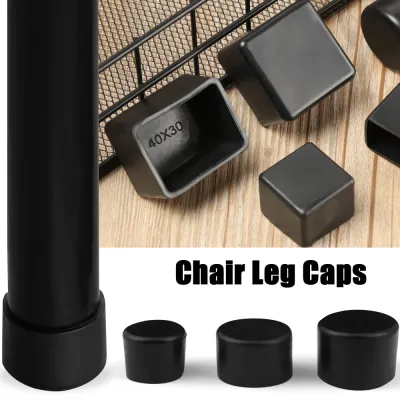
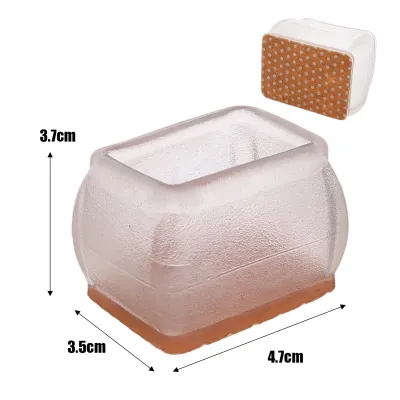
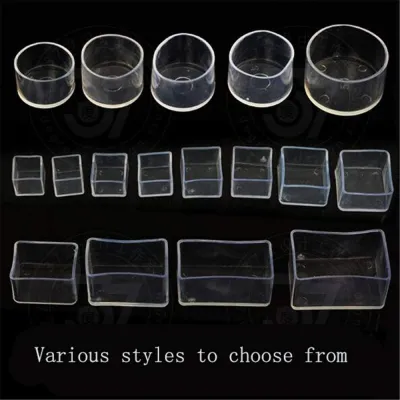
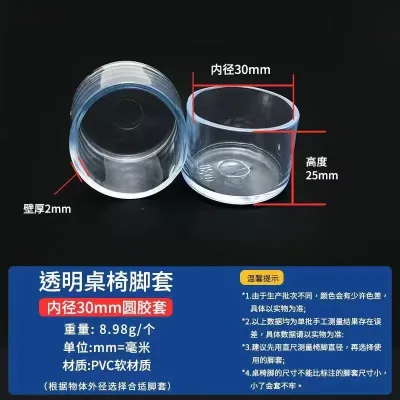
The attachment method is your first decision point, and it depends heavily on the material of your furniture legs and whether you are willing to make permanent alterations. Adhesive rubber pads are highly convenient and require no drilling, making them ideal for flat-bottomed wooden, metal, or plastic legs. However, in warm and humid environments, adhesive backings can slide or degrade over time under shear stress. Slip-on rubber caps offer a non-invasive alternative that wraps securely around the bottom of the leg, making them excellent for tubular metal chairs or angled wooden legs where adhesives fail to hold. For maximum security on heavy wooden furniture, screw-on rubber feet provide a mechanical anchor that will not slip, though they require drilling a pilot hole and are permanent.
The profile of the rubber foot—whether dome-shaped or flat—determines how it interacts with the floor during movement. Flat profiles maximize the surface contact area, distributing heavy loads evenly to prevent localized pressure points on soft floors. Dome profiles, on the other hand, are designed for furniture that pivots or slides frequently, such as dining chairs, as they maintain consistent contact even when the chair is tilted.
Products mentioned in this guide
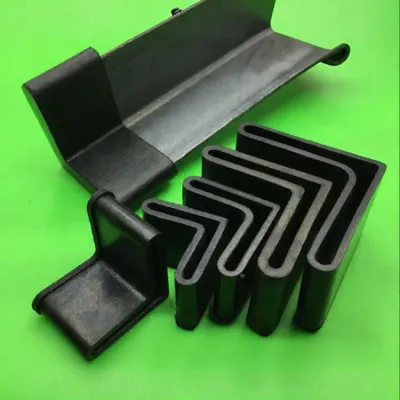
Prices are valid at publication and may change. Please refer to the product page for the latest price.
Before purchasing any protectors, take precise measurements of your furniture legs. Use a caliper or a firm measuring tape to verify the exact diameter or width of the leg base, as even a two-millimeter discrepancy can cause slip-on caps to tear or fall off. Additionally, check the manufacturer’s weight capacity ratings for the rubber feet and measure the clearance height to ensure the added height does not affect the ergonomics of your seating or the leveling of your tables.
Match Rubber Feet to Your Specific Floor Surfaces
Different flooring materials require specific rubber characteristics to prevent surface damage. For hard surfaces like hardwood parquet, ceramic tiles, or laminate, prioritize non-marking rubber compounds. Standard black rubber can sometimes leave dark scuff marks when dragged across light-colored tiles or sealed timber; choosing clear, white, or grey non-marking synthetic rubber prevents these stubborn streaks. Flat or slightly domed profiles work best here, as they distribute the downward force and prevent grit from getting trapped underneath and scratching the finish.

Resilient flooring, such as luxury vinyl tiles or linoleum, is softer and more susceptible to pressure indentations from heavy, static loads. For these surfaces, look for slightly softer, high-density rubber compounds that can cushion the weight without compressing completely. The goal is to spread the load over a wider surface area, so avoid narrow or pointed rubber tips that concentrate weight and can leave permanent dimples in your vinyl planks.
Carpeted areas present a different challenge, as the primary risk is fiber crushing and deep indentation. If you are placing heavy furniture on carpets, choose wide, flat-bottomed rubber bases. These wider bases distribute the weight across a larger surface area, minimizing the sinking depth and protecting the underlying carpet backing from stretching or tearing.
Because chemical compositions in floor sealants and rubber compounds can vary widely, always perform a spot test before fully equipping your home. Place a single rubber foot on an inconspicuous area of your flooring—such as inside a wardrobe or behind a heavy cabinet—for a few days. Check the area afterward for any signs of discoloration, chemical migration, or sticky adhesive residue to ensure complete compatibility.
Select Protectors Based on Furniture Weight and Mobility
Matching the protector to the specific function of your furniture ensures both longevity and safety. Heavy, stationary pieces like sofas, beds, and large storage cabinets exert constant downward pressure and rarely move. For these items, focus on heavy-duty, flat-bottomed screw-on feet or thick slip-on cups. These designs provide maximum stability, prevent the furniture from shifting when you sit down, and ensure the protector will not collapse or slide out of alignment under a heavy load.
Frequently moved items, such as dining chairs, bar stools, and study chairs, require a different approach. These pieces experience constant lateral forces, which can easily peel off simple adhesive pads. Opt for dome-shaped or angled slip-on rubber feet that allow the legs to slide smoothly across the floor without scraping. The rounded profile accommodates the natural tilt of a chair when someone sits down or pushes back from a table, reducing wear on both the chair joints and the floor.
Appliances and utility furniture, such as washing machines, dryers, or metal shelving units, have unique requirements. These items often generate significant vibration, which can cause them to “walk” across the floor and damage the surface. Select specialized vibration-dampening rubber pads that absorb kinetic energy. When installing these, ensure the rubber feet do not block essential ventilation grates or interfere with the appliance’s built-in leveling legs, which must remain adjustable.
Always consult your furniture’s original assembly manual or manufacturer guidelines before installing aftermarket feet. Some modern furniture pieces feature pre-drilled holes or threaded inserts designed for specific thread sizes. Using the wrong thread size or drilling into legs with hollow cores or delicate veneers can split the wood, strip the threads, or void your furniture’s warranty.
Prepare, Install, and Maintain Your Furniture Feet
Proper installation is key to ensuring your floor protectors perform effectively over the long term. Begin by thoroughly preparing the bottom of each furniture leg. Clean the surface with a mild degreasing agent or isopropyl alcohol to remove dust, old adhesive residue, and manufacturing oils, then allow it to dry completely. This step is critical for adhesive pads, as even a thin layer of dust can severely compromise the bond, causing the pad to slide off within weeks.
When installing your chosen feet, perform careful safety checks. If you are using screw-on feet, verify that the screw length is shorter than the solid core of the furniture leg to prevent the screw from splitting the wood or protruding through the sides. For slip-on caps, ensure they fit snugly around the leg without requiring excessive stretching; a cap that is stretched too tight will quickly develop stress tears and split under the weight of the furniture.
Establish a regular maintenance routine to inspect the condition of your rubber feet every few months. Look for signs of wear such as flattening, cracking, hardening, or embedded grit, which can turn a protector into an abrasive hazard. If you notice new scratches, scuffs, or if the rubber feels brittle to the touch, it is time to replace the feet.
Finally, know when to seek professional assistance. If your furniture remains unstable, wobbles excessively, or if floor damage continues to progress despite using the correct protectors, stop using the item. Structural issues within the furniture legs or uneven subfloors may require a professional carpenter or flooring specialist to resolve safely.
Frequently Asked Questions (FAQ)
Can I use the same rubber feet on both hard floors and carpets?
While some multi-surface rubber feet exist, using the same protector on both hard floors and carpets usually involves trade-offs. Hard floors require non-marking, high-grip rubber to prevent sliding and scratching, whereas carpets benefit from wider, smoother bases that glide slightly to prevent fiber snagging. If you move furniture between these two surfaces, check the product labels for explicit multi-surface compatibility, or consider using dedicated felt-bottomed glides for carpets and soft rubber feet for hard floors to achieve the best protection.
How do I remove adhesive residue left by old rubber feet?
To safely remove sticky residue without damaging your furniture or floor finishes, start with gentle mechanical methods. Use your fingers or a plastic scraper to roll up the bulk of the softened adhesive. For any remaining residue, apply a small amount of a mild, non-abrasive household cleaner or a specialized adhesive remover suitable for your specific surface material, such as finished wood or vinyl. Avoid harsh solvents like acetone or highly abrasive scrubbing pads, as these can permanently strip protective wood varnishes, dull metal finishes, or dissolve floor sealants.

Community discussion
Share your experience or ask a question. Comments are reviewed before publication.